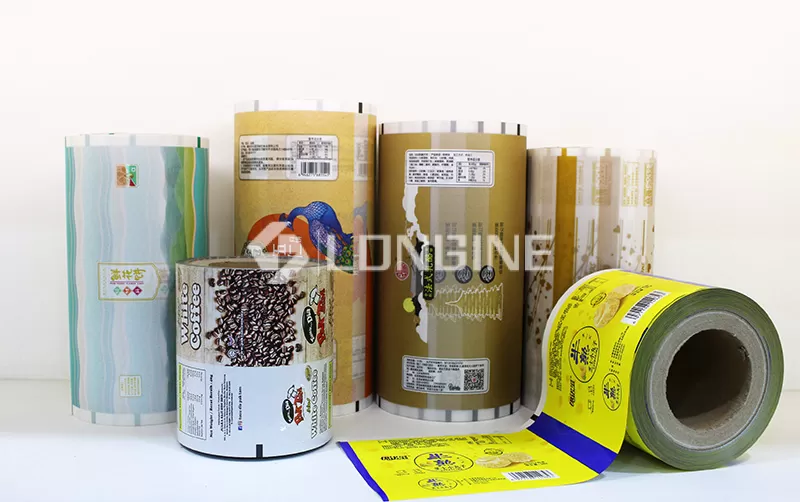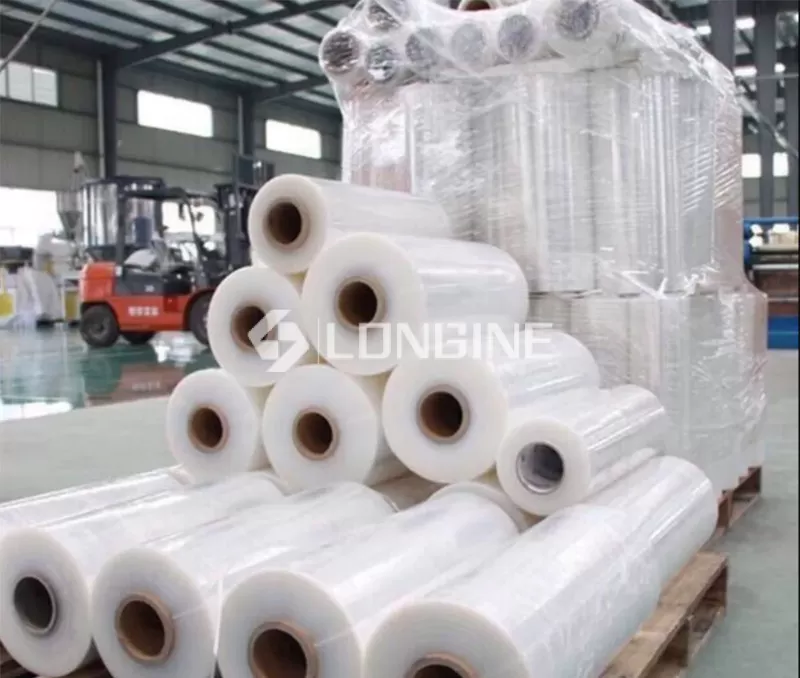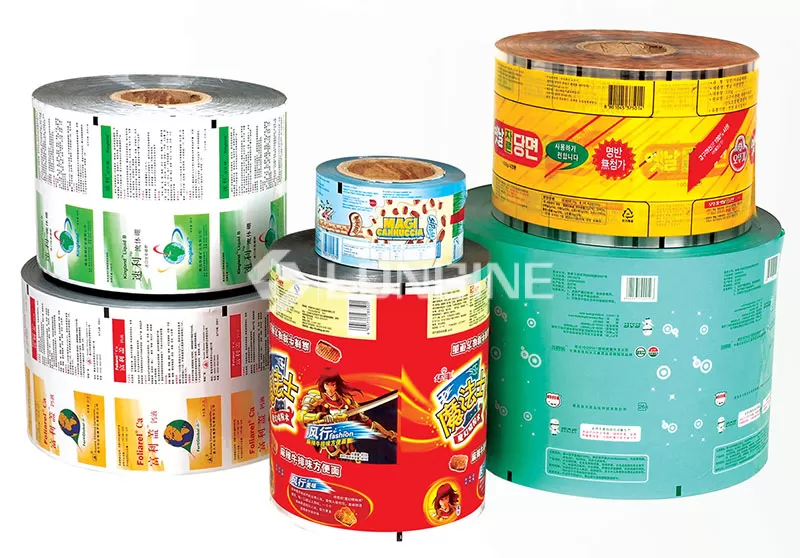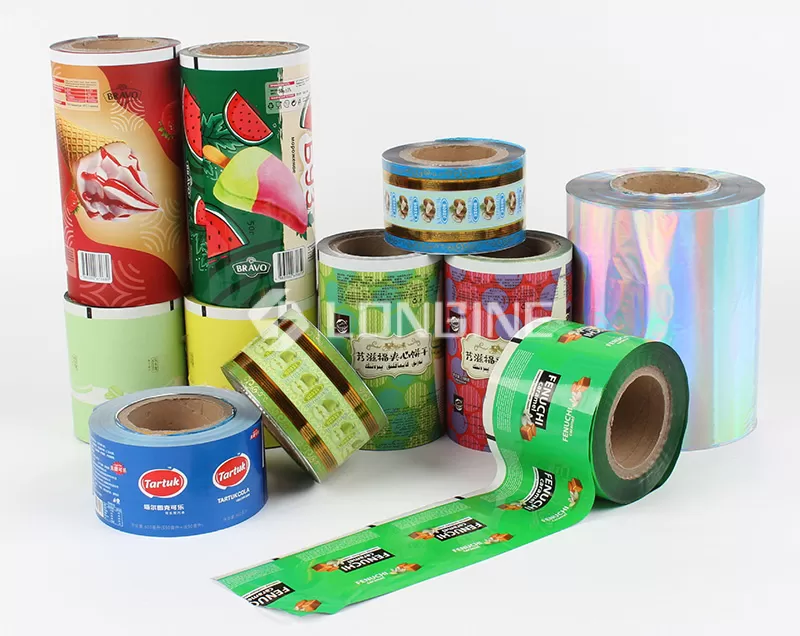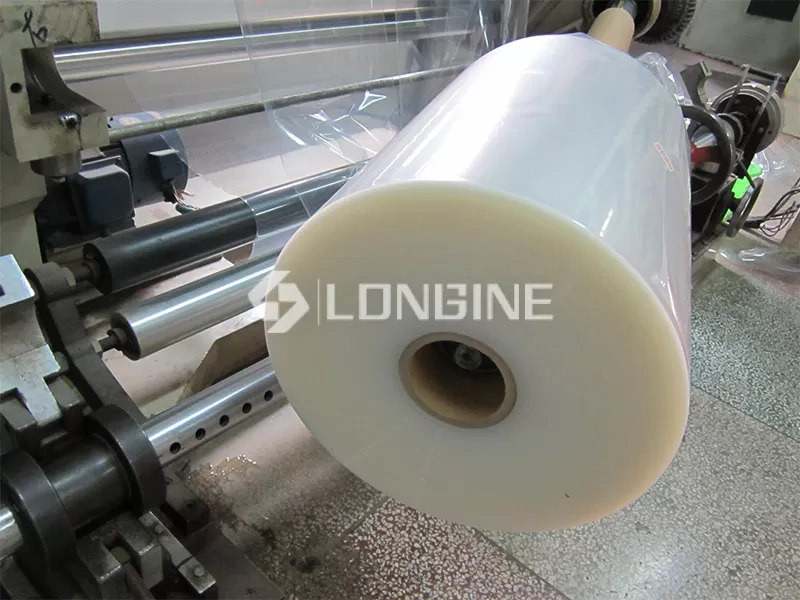
Selecting the right plastic roll film is essential for achieving efficient packaging operations, reducing downtime, and maintaining product quality. Even the best packaging machine cannot perform optimally if the film specifications do not match the machine's requirements.
Many manufacturers focus only on film cost, but factors such as material structure, sealability, thickness, and machine compatibility are equally important. Choosing the wrong film can lead to sealing failures, film breakage, excessive waste, and reduced production efficiency.
In this guide, you'll learn how to choose the right plastic roll film for your packaging machine and avoid common packaging problems.
Why Film Compatibility Matters
Modern packaging machines are designed to operate at high speeds and with precise settings. The packaging film must work seamlessly with the machine to ensure:
Consistent bag formation
Reliable sealing performance
Stable production speeds
Reduced material waste
Minimal machine downtime
When film specifications do not match the equipment, production efficiency can suffer significantly.
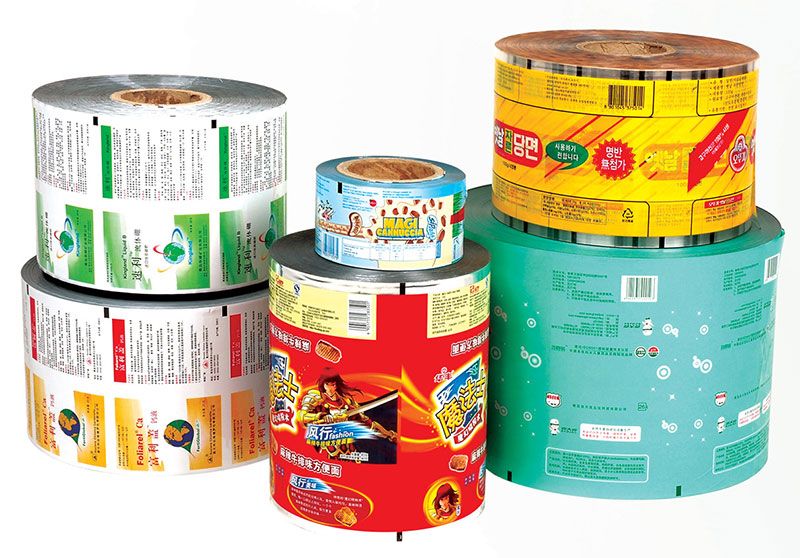
Identify Your Packaging Machine Type
The first step is understanding what type of packaging machine you use.
VFFS (Vertical Form Fill Seal) Machines
VFFS machines form bags vertically from a continuous roll of film.
Common applications include:
Coffee
Snacks
Rice
Sugar
Powder products
These machines require films with excellent forming and sealing characteristics.
HFFS (Horizontal Form Fill Seal) Machines
HFFS machines form and seal packages horizontally.
They are commonly used for:
Frozen foods
Medical products
Wet products
Convenience foods
Film flexibility and sealing performance are particularly important for HFFS applications.
Flow Wrapping Machines
Flow wrappers package products using a horizontal wrapping process.
Typical products include:
Bakery products
Candy
Chocolate
Individual consumer goods
These machines often require films with good stiffness and print registration accuracy.
Choose the Right Material Structure
Different products require different packaging properties.
PET/PE Film
A versatile structure offering:
Good strength
Excellent printability
Reliable sealing
Suitable for:
Powder products
Dry foods
Frozen foods
BOPP/CPP Film
Provides:
High transparency
Attractive appearance
Cost-effective packaging
Commonly used for:
Snacks
Cookies
Confectionery
PET/VMPET/PE Film
Offers improved barrier protection against:
Oxygen
Moisture
Frequently used for:
Coffee packaging
Dried fruits
Nutritional powders
PET/AL/PE Film
Provides maximum barrier performance.
Ideal for:
Coffee beans
Sensitive food products
Long shelf-life applications
Consider Film Thickness
Film thickness directly impacts packaging performance.
Thin Films
Advantages:
Lower material cost
Faster machine operation
Suitable for lightweight products.
Thick Films
Advantages:
Greater strength
Better puncture resistance
Enhanced durability
Suitable for heavier or sharp-edged products.
Choosing the proper thickness helps balance cost and performance.
Evaluate Sealability
Seal quality is one of the most critical factors in packaging.
The film should provide:
Strong heat seals
Consistent sealing performance
Reliable operation at machine speeds
Poor sealing can cause:
Product leakage
Shortened shelf life
Increased waste
Always verify that the sealing layer is compatible with your machine's temperature range.
Check Barrier Requirements
Different products require different levels of protection.
Standard Barrier Films
Suitable for:
Short shelf-life products
Basic dry goods
High Barrier Films
Protect against:
Oxygen
Moisture
UV light
Recommended for:
Coffee
Pet food
Powder products
Premium food packaging
The higher the barrier performance, the better the product protection.
Verify Film Width and Roll Specifications
Your packaging machine has specific requirements for:
Film width
Roll diameter
Core size
Using incorrect dimensions may cause:
Film tracking problems
Wrinkles
Machine stoppages
Always confirm machine specifications before ordering roll film.
Consider Printing Requirements
If your packaging includes branding, choose a film suitable for high-quality printing.
Important considerations include:
Print registration accuracy
Color consistency
Ink adhesion
Surface finish
Custom printed roll film can improve shelf appeal and strengthen brand recognition.
Evaluate Machine Speed Requirements
High-speed packaging lines require films that can withstand continuous operation.
The film should offer:
Stable tension control
Smooth machine feeding
Consistent sealing
A film designed for high-speed production helps reduce downtime and improve efficiency.
Think About Sustainability Goals
Many brands are now adopting environmentally friendly packaging solutions.
Options include:
Recyclable mono-material films
Reduced-material structures
Sustainable packaging alternatives
Eco-friendly packaging can help meet customer expectations and support sustainability initiatives.
Common Problems Caused by Incorrect Film Selection
Poor Sealing
Often caused by:
Incompatible sealing layers
Incorrect material structure
Film Breakage
May result from:
Insufficient strength
Improper thickness
Machine Downtime
Frequently caused by:
Incorrect roll dimensions
Poor film quality
Inconsistent manufacturing
Printing Misalignment
Usually related to poor registration control or low-quality printing processes.
Selecting the right film helps prevent these costly issues.
Questions to Ask Your Plastic Roll Film Supplier
Before placing an order, ask:
Which material structure is recommended for my product?
Is the film suitable for my packaging machine?
What thickness do you recommend?
Can you provide samples for testing?
Do you offer custom printing?
What barrier properties are available?
A knowledgeable supplier should be able to provide clear answers and technical guidance.
Why Choose Longine Packing?
At Longine Packing, we specialize in custom plastic roll film solutions for a wide range of packaging machines and industries.
We offer:
Custom printed roll film
Food-grade packaging materials
High-barrier film structures
VFFS and HFFS compatible films
Recyclable packaging options
Competitive wholesale pricing
Our team works closely with customers to ensure every film specification matches their packaging equipment and product requirements.
Conclusion
Choosing the right plastic roll film for your packaging machine involves more than selecting a material. You must consider:
Machine type
Material structure
Film thickness
Sealability
Barrier performance
Roll dimensions
Printing requirements
By matching the film specifications to your packaging equipment and product needs, you can improve efficiency, reduce waste, and achieve more reliable packaging results.
Contact Longine Packing today to discuss your packaging project and find the ideal plastic roll film solution for your production line. 🚀