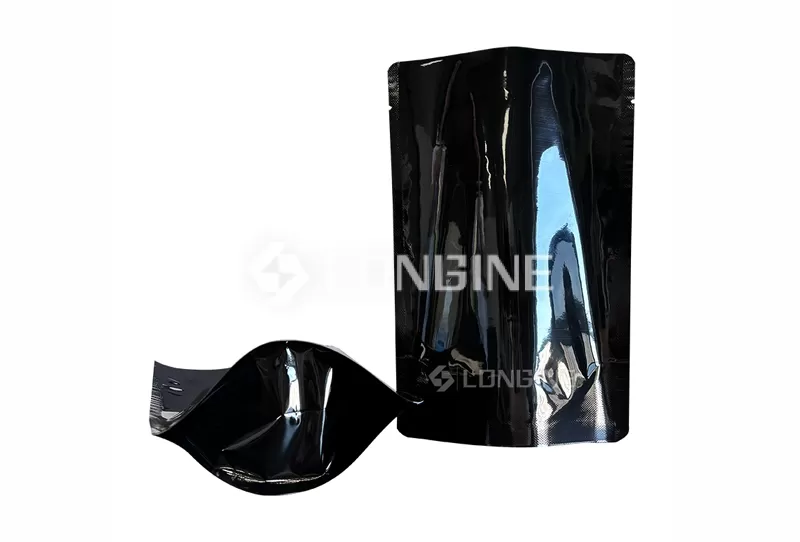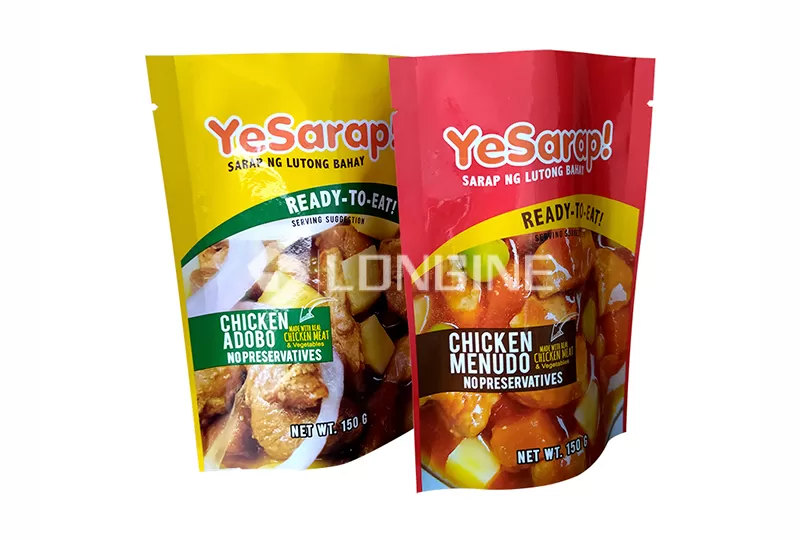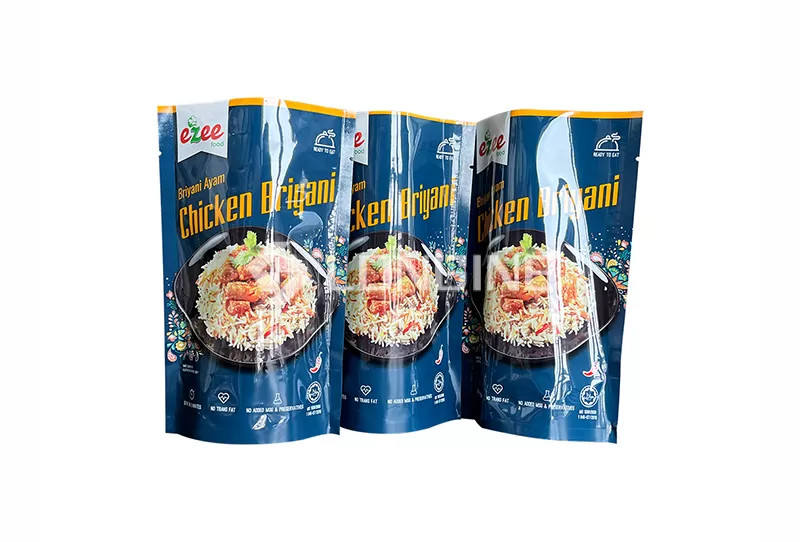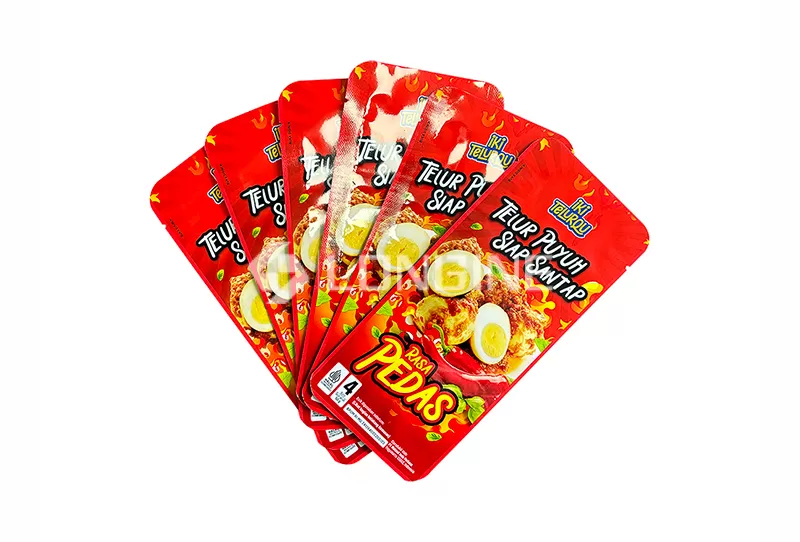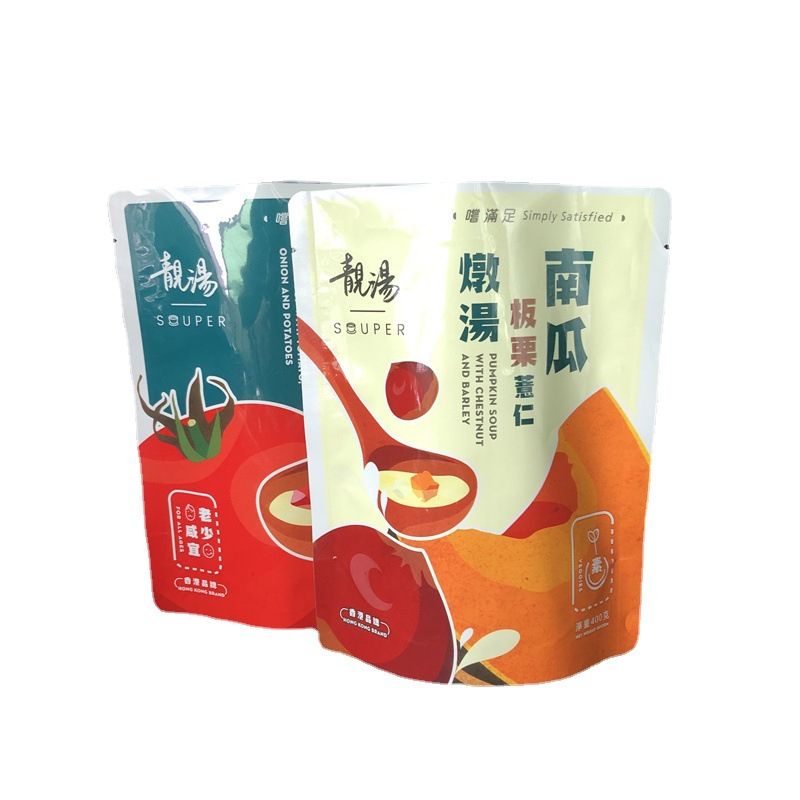
Retort pouches must maintain strong seals and reliable package integrity throughout filling, high-temperature sterilization, storage, and transportation. Even small sealing defects can lead to leakage, contamination, or reduced product shelf life.
For food manufacturers, testing retort pouch seal strength and package integrity is an important part of quality control. Here are the main testing methods and factors to consider.
1. Visual Seal Inspection
Visual inspection is the first step in checking retort pouch quality. It helps identify visible defects before more detailed testing.
Common issues include:
Wrinkles or uneven sealing areas
Incomplete or misaligned seals
Food residue inside the sealing area
Delamination or scratches
Seal channels and visible gaps
The seal should be continuous, clean, and free from obvious defects. Inspection should be performed both before and after retort processing.
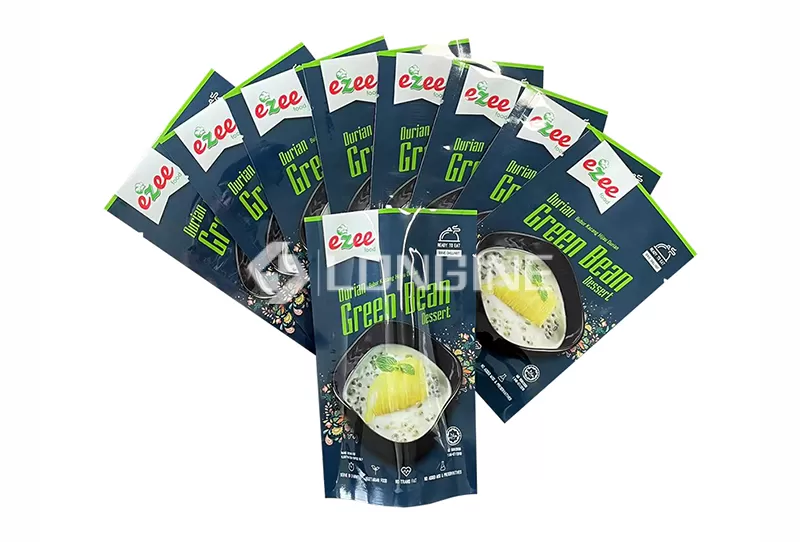
2. Seal Strength Testing
Seal strength testing measures the force required to separate two sealed layers of packaging material.
A tensile testing machine is commonly used. A strip is cut from the sealed area and placed between two clamps. The machine pulls the material apart at a controlled speed and records the force required.
ASTM F88/F88M is a commonly referenced method for measuring flexible package seal strength.
This test helps manufacturers evaluate:
Consistency of heat sealing
Bond strength between sealing layers
Differences between production batches
Changes in seal performance after retort processing
Testing should follow consistent sample preparation and testing conditions.
3. Burst Testing
Burst testing evaluates how much internal pressure a sealed pouch can withstand before failure.
Air pressure is introduced into the pouch until the package bursts or reaches a specified test pressure. The result helps identify weak seals and assess overall package strength.
ASTM F1140/F1140M is commonly used for burst testing of flexible packaging.
For retort pouches, testing before and after sterilization can help determine whether heat treatment affects package integrity.
4. Leak Detection Testing
Leak testing checks whether air or liquid can escape through the pouch body or sealed areas.
Common methods include:
Vacuum Leak Test: The pouch is placed in a vacuum chamber to identify leakage.
Bubble Leak Test: A submerged pouch is exposed to pressure or vacuum conditions. Escaping bubbles may indicate a leak.
Dye Penetration Test: A suitable dye solution is used to identify channels or gaps in the seal.
These methods help detect defects that may not be visible during routine inspection.
5. Test Pouches After Retort Processing
A pouch that passes inspection before sterilization may still develop defects during retort processing.
High temperatures, pressure changes, cooling, and handling can affect seal performance and laminate structure.
Therefore, manufacturers should evaluate filled pouches after the intended retort process, including:
Seal appearance and strength
Leakage and package integrity
Delamination or material damage
Resistance to handling and transportation
The actual product, pouch structure, and sterilization conditions should be considered when establishing acceptance criteria.
6. What Causes Retort Pouch Seal Failure?
Several factors can affect seal quality:
| Possible Cause | Potential Result |
|---|---|
| Incorrect sealing temperature | Weak or damaged seals |
| Insufficient sealing pressure | Incomplete bonding |
| Short sealing time | Poor seal formation |
| Food contamination | Leakage through seal areas |
| Unsuitable material structure | Delamination or seal failure |
| Improper retort conditions | Package deformation or damage |
Controlling sealing temperature, pressure, and dwell time is essential for consistent production quality.
Frequently Asked Questions
1. What is the most common test for retort pouch seal strength?
Tensile testing based on ASTM F88/F88M is commonly used to measure the force required to separate a sealed area.
2. Why should retort pouches be tested after sterilization?
Retort processing exposes packaging to heat and pressure, which may affect seal strength and package integrity. Post-retort testing helps identify these changes.
3. Can visual inspection detect all pouch leaks?
No. Some small leaks and internal seal defects may not be visible. Additional leak detection or burst testing may be necessary.
4. Is there one universal seal strength requirement for all retort pouches?
No. Acceptance criteria depend on the pouch material, construction, product, sealing process, and retort conditions. Testing specifications should be established for each packaging application.
Reliable Retort Pouch Quality Starts with Proper Testing
Seal strength and package integrity are essential to reliable retort pouch packaging. Combining visual inspection, tensile testing, burst testing, and leak detection helps manufacturers identify potential defects and maintain consistent quality.
Longine Packing provides flexible packaging solutions for different food packaging applications. Contact us to discuss your retort pouch material, structure, and customization requirements.