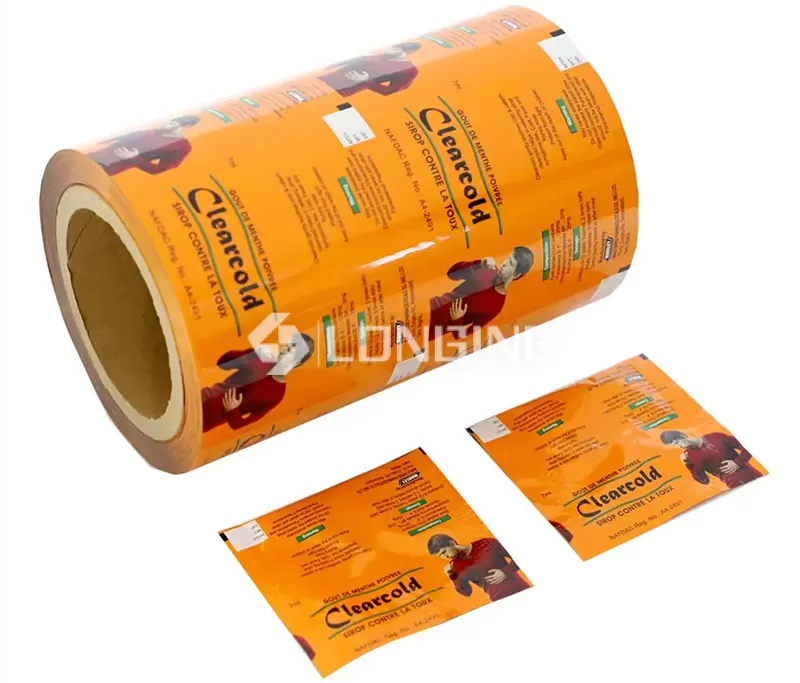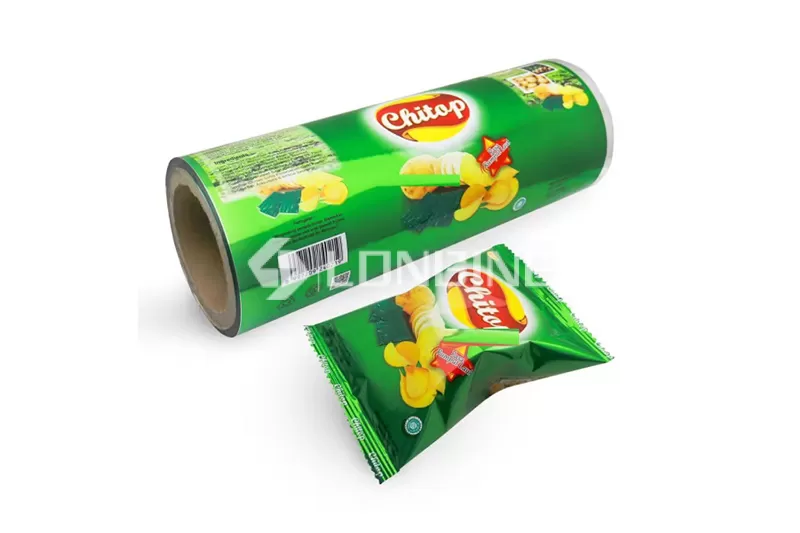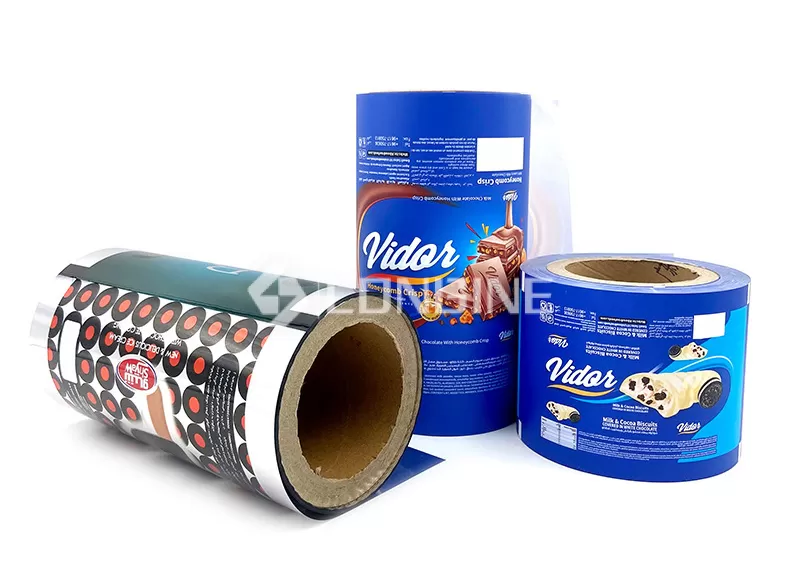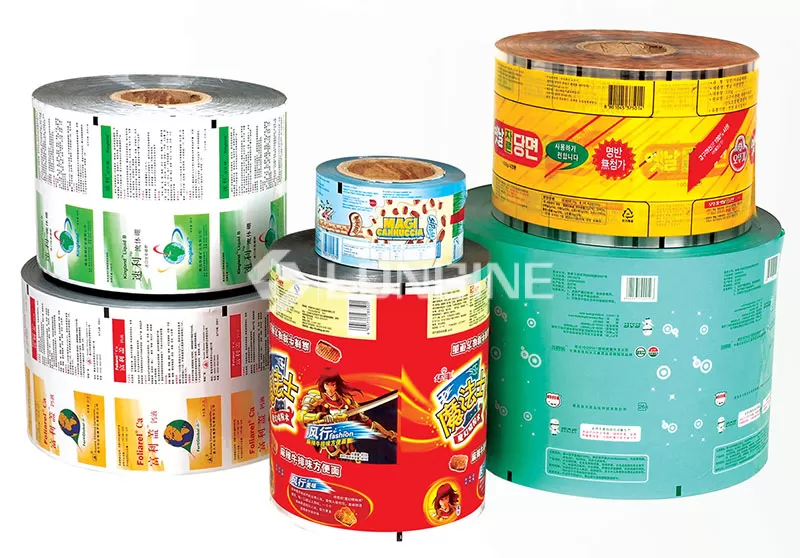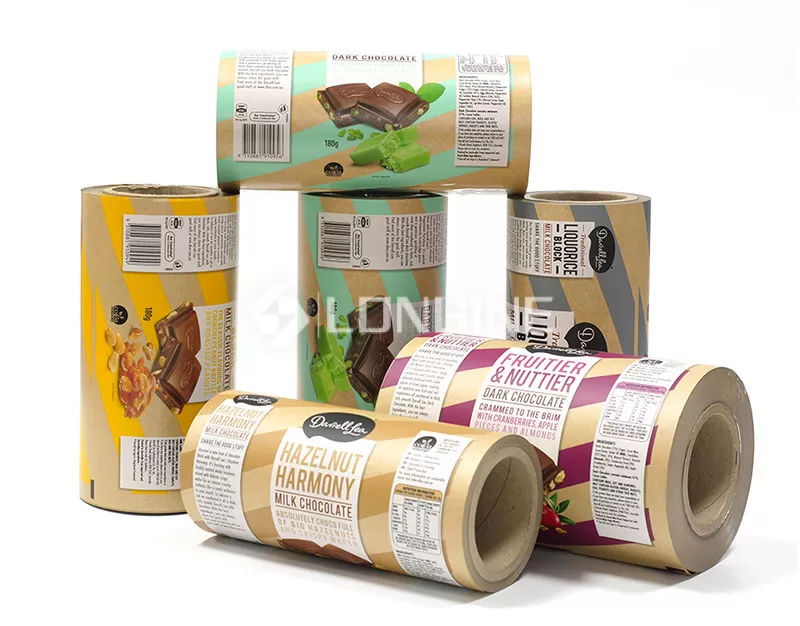
Choosing the right material is one of the most important decisions when designing flexible packaging. The material you select directly affects product protection, shelf life, packaging efficiency, printing quality, and overall cost.
So, what are the best materials for plastic roll film packaging?
The answer depends on your product, packaging equipment, storage conditions, and performance requirements. Different materials offer different advantages, and many modern plastic roll films combine multiple layers to achieve the ideal balance of strength, barrier protection, and cost.
In this guide, we'll introduce the most common plastic roll film materials and help you choose the best option for your packaging needs.
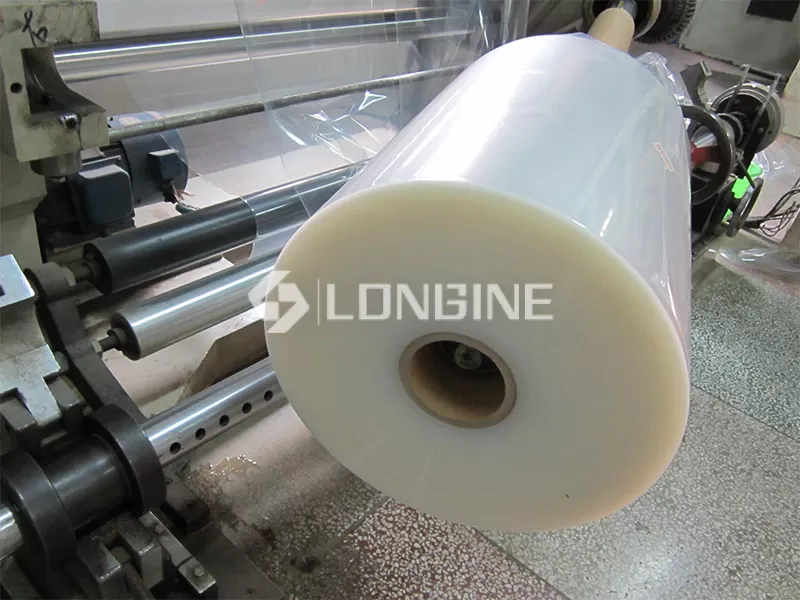
Why Material Selection Is Important
The right packaging material helps:
Protect products from moisture and oxygen
Extend shelf life
Improve sealing performance
Enhance print quality
Reduce packaging costs
Increase production efficiency
Using the wrong material may result in product spoilage, packaging failure, or unnecessary production expenses.
Common Materials Used in Plastic Roll Film
Modern flexible packaging usually combines several materials into a laminated structure. Each layer serves a specific purpose.
PET (Polyethylene Terephthalate)
PET is one of the most widely used materials in flexible packaging.
Advantages
Excellent mechanical strength
High heat resistance
Outstanding printability
Good dimensional stability
PET is commonly used as the outer layer because it provides a smooth surface for high-quality printing.
Typical Applications
Coffee packaging
Snack packaging
Powder products
Frozen foods
Pet food
PE (Polyethylene)
PE is widely used as the inner sealing layer.
Advantages
Excellent heat sealing
Good moisture resistance
Flexible and durable
Cost-effective
Because of its reliable sealing performance, PE is suitable for a wide variety of food packaging applications.
Typical Applications
Rice
Flour
Frozen foods
Powder products
Household goods
BOPP (Biaxially Oriented Polypropylene)
BOPP is known for its attractive appearance and excellent printing performance.
Advantages
High transparency
Glossy surface
Good stiffness
Excellent print quality
Cost-effective
BOPP is frequently used for retail packaging where product appearance is important.
Typical Applications
Potato chips
Biscuits
Candy
Bakery products
CPP (Cast Polypropylene)
CPP is often paired with BOPP or PET to improve sealing performance.
Advantages
Excellent heat sealability
Good flexibility
Strong puncture resistance
Suitable for high-speed packaging
CPP is commonly used as the inner sealing layer in laminated structures.
Typical Applications
Snack packaging
Frozen foods
Ready-to-eat meals
Nylon (PA)
Nylon provides excellent strength and puncture resistance.
Advantages
High tensile strength
Excellent puncture resistance
Good flexibility
Strong impact resistance
Nylon is ideal for products with sharp edges or products requiring vacuum packaging.
Typical Applications
Frozen meat
Seafood
Vacuum packaging
Heavy-duty food packaging
Aluminum Foil (AL)
Aluminum foil provides one of the highest levels of barrier protection available.
Advantages
Blocks oxygen completely
Excellent moisture barrier
Prevents light exposure
Extends shelf life significantly
Although aluminum foil is more expensive, it offers maximum product protection.
Typical Applications
Coffee beans
Ground coffee
Pharmaceutical products
Nutritional powders
Metallized Film (VMPET)
Metallized PET provides excellent barrier performance while remaining lighter and more economical than aluminum foil.
Advantages
Good oxygen barrier
Strong moisture resistance
Attractive metallic appearance
Lower cost than foil structures
Many coffee and snack brands choose metallized films because they provide excellent performance at a competitive price.
Typical Applications
Coffee packaging
Snack foods
Dried fruits
Tea
EVOH (Ethylene Vinyl Alcohol)
EVOH is a high-performance barrier material used in advanced packaging structures.
Advantages
Excellent oxygen barrier
Lightweight
Suitable for recyclable packaging structures
EVOH is increasingly used in sustainable packaging solutions.
Typical Applications
Fresh food
Dairy products
Recyclable flexible packaging
Common Plastic Roll Film Structures
Instead of using a single material, most packaging films combine several layers to maximize performance.
PET/PE
Advantages:
Strong
Economical
Excellent printability
Reliable sealing
Suitable for:
Dry foods
Powder products
Frozen foods
BOPP/CPP
Advantages:
Attractive appearance
Cost-effective
Good moisture resistance
Suitable for:
Snacks
Cookies
Candy
PET/VMPET/PE
Advantages:
High barrier
Excellent aroma protection
Competitive cost
Suitable for:
Coffee
Tea
Nuts
Dried fruits
PET/AL/PE
Advantages:
Maximum barrier performance
Long shelf life
Excellent product protection
Suitable for:
Coffee
Nutritional powders
Premium food products
How to Choose the Best Material
When selecting plastic roll film, consider the following factors.
Product Type
Different products require different levels of protection.
For example:
Coffee requires excellent oxygen and moisture barriers.
Frozen foods require strong puncture resistance.
Snacks need good moisture protection and attractive packaging.
Shelf Life
Products with longer shelf-life requirements typically need high-barrier materials.
Packaging Machine
The film structure must be compatible with your:
VFFS machine
HFFS machine
Flow wrapper
Proper compatibility improves production efficiency and reduces waste.
Budget
Higher-performance materials generally cost more.
Choosing the right balance between cost and performance helps maximize your return on investment.
Sustainability
Many brands now prefer recyclable or mono-material structures to reduce environmental impact and meet consumer expectations.
Which Material Is Best for Different Products?
| Product | Recommended Material Structure |
|---|---|
| Coffee | PET/AL/PE or PET/VMPET/PE |
| Snacks | BOPP/CPP |
| Frozen Food | PET/PE or PA/PE |
| Powder Products | PET/PE |
| Pet Food | PET/VMPET/PE |
| Premium Food | PET/AL/PE |
Selecting the right structure ensures better protection and packaging performance for each product category.
Why Choose Longine Packing?
At Longine Packing, we manufacture custom plastic roll film using high-quality materials designed for various packaging applications.
We offer:
Food-grade packaging materials
High-barrier laminated films
Custom printed roll film
Recyclable packaging solutions
Flexible material structures
Competitive wholesale pricing
Our experienced team can recommend the most suitable material based on your product, packaging equipment, and production requirements.
Conclusion
The best material for plastic roll film packaging depends on the specific needs of your product.
For most applications:
PET provides excellent strength and printability.
PE ensures reliable heat sealing.
BOPP offers outstanding appearance and cost efficiency.
CPP improves sealing performance.
Nylon increases durability and puncture resistance.
Aluminum foil delivers maximum barrier protection.
Metallized film balances barrier performance with cost.
EVOH supports high-barrier recyclable packaging.
By selecting the appropriate material structure, businesses can improve product protection, increase production efficiency, reduce packaging costs, and create packaging that stands out in the market.
Contact Longine Packing today to discover the ideal plastic roll film material for your packaging project. 🚀