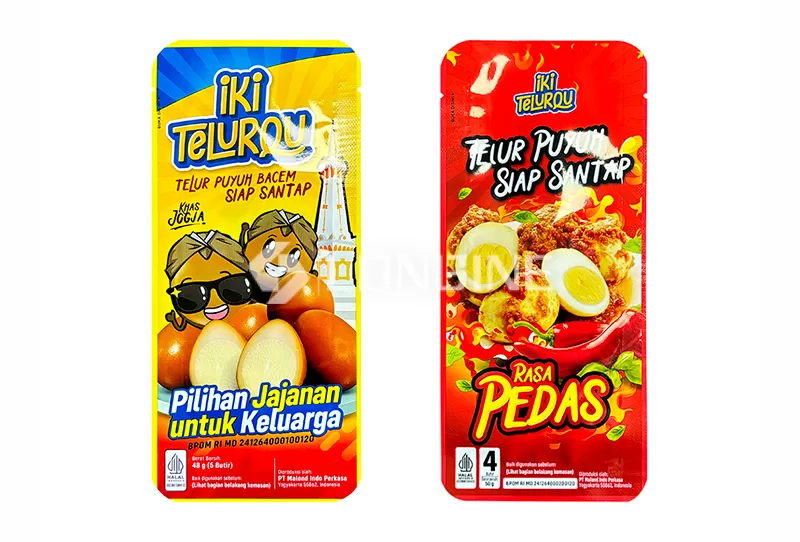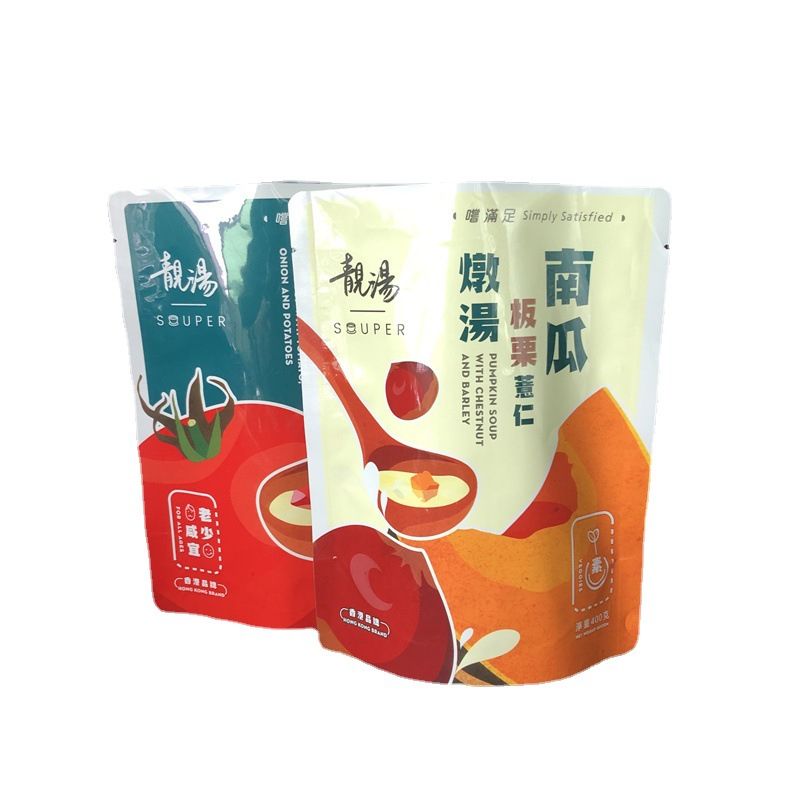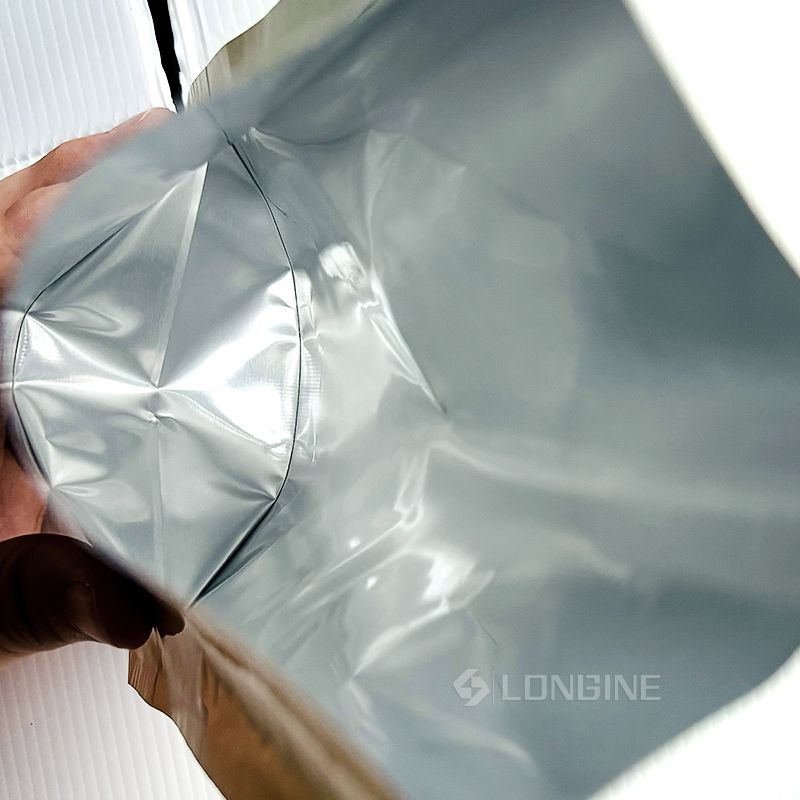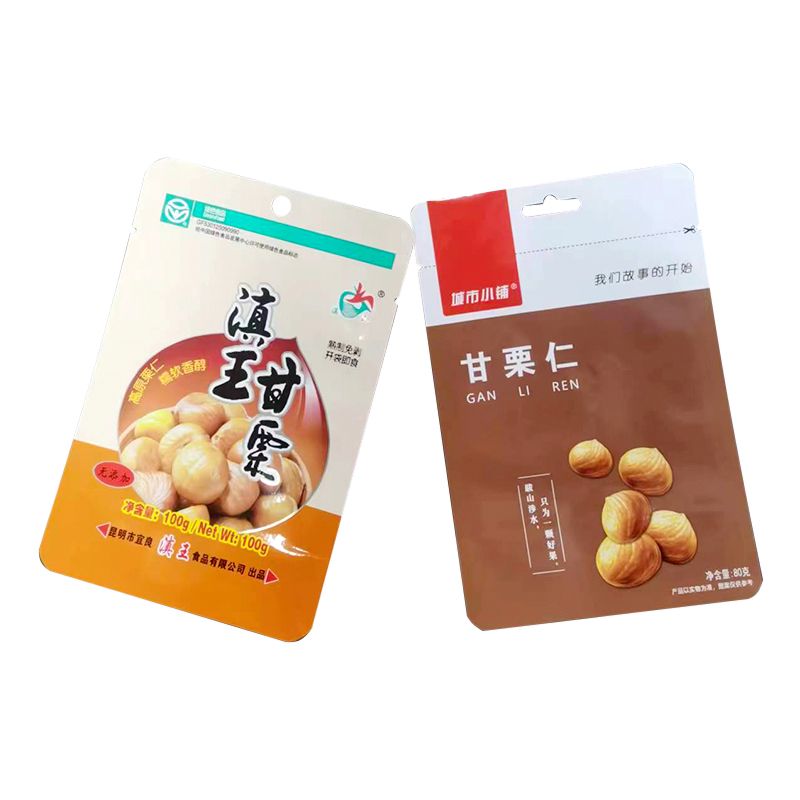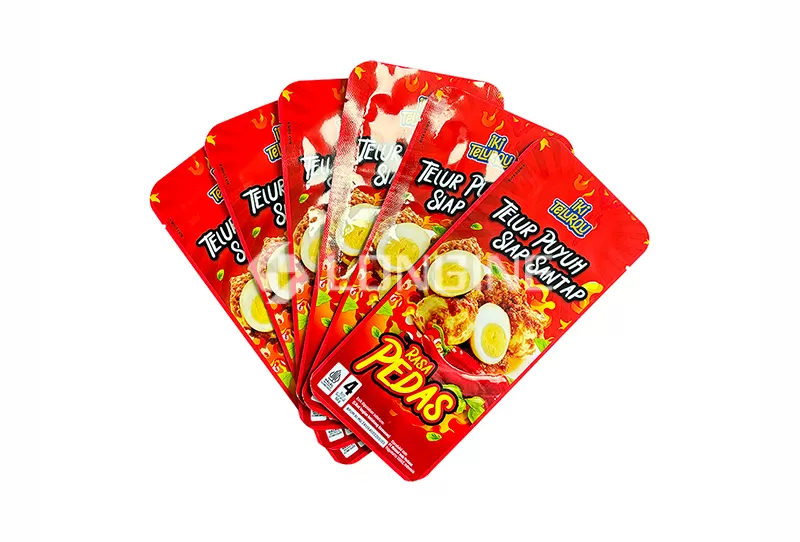
What Is a Retort Pouch?
A retort pouch is a flexible, laminated food packaging solution designed to withstand high-temperature thermal processing—typically used for ready-to-eat meals, soups, sauces, baby food, pet food, and military rations. Unlike cans or jars, retort pouches are lightweight, space-saving, and eco-friendly while still providing the same level of shelf stability without refrigeration.
With the rise in convenience foods and on-the-go lifestyles, retort pouch packaging has become an essential part of modern food technology.

How Does a Retort Pouch Work?
Retort pouches are made from multi-layer laminates that provide strength, barrier protection, and heat resistance. A standard retort pouch typically includes:
- Polyester (PET): For mechanical strength and printability
- Aluminum foil (AL): For excellent barrier to light, oxygen, and moisture
- Polypropylene (PP): As the food contact layer and sealant
After food is filled into the pouch, it is hermetically sealed and then heat-treated in a retort (autoclave) at temperatures around 121°C (250°F) for a specified time. This process destroys harmful microorganisms and spores, extending shelf life for up to 12–24 months without preservatives.
Key Benefits of Retort Pouch Packaging
1. Extended Shelf Life
Retort pouches keep food shelf-stable for months or even years without refrigeration, making them ideal for emergency rations, exports, and convenience retail.
2. Lightweight and Space-Saving
Compared to metal cans or glass jars, retort pouches are up to 70% lighter and take up significantly less space during shipping and storage.
3. Faster Cooking and Reheating
The flat design allows for even and faster heat penetration during processing and reheating, improving food quality and processing efficiency.
4. Eco-Friendly Alternative
Less packaging material, lower transportation emissions, and a reduced carbon footprint make retort pouches a more sustainable option compared to rigid containers.
5. Customizable for Branding
Retort pouches offer high-quality flexographic or rotogravure printing, enabling strong shelf appeal with vibrant, branded designs.
Common Applications of Retort Pouches
Retort pouches are used across various industries, including:
- Ready-to-eat meals (curries, pasta, rice dishes)
- Baby food and toddler nutrition products
- Pet food in wet form (gravy or pâté)
- Soups and broths
- Prepared sauces (tomato, alfredo, chili)
- Military meals (MREs)
- Institutional or camping food supplies
The pouch format is especially popular in Asia, Europe, and increasingly in North America, thanks to growing demand for convenient, shelf-stable meals.
Types of Retort Pouch Designs
Flat Retort Pouches
Standard pillow-shaped pouches, ideal for single-serve meals or sauces. Easy to produce and cost-effective.
Stand-Up Retort Pouches (Doypacks)
Feature a gusseted bottom that allows the pouch to stand upright on shelves. Excellent for visibility and convenience.
Spouted Retort Pouches
Include a plastic spout and cap, ideal for pourable or squeezable products like baby food and sauces.
Compartmentalized or Dual-Chamber Pouches
Separate different ingredients or flavors until heating or serving—used in advanced meal kits or gourmet RTE packaging.
Retort Pouch vs Other Packaging Formats
| Feature | Retort Pouch | Cans | Glass Jars |
|---|---|---|---|
| Weight | Very Light | Heavy | Very Heavy |
| Shelf Life | 12–24 Months | 24+ Months | 12–18 Months |
| Heating Time | Fast & Even | Slower | Slower |
| Branding Surface | Fully Printable | Limited | Label Only |
| Transportation Cost | Low | High | High |
| Sustainability | Moderate to High | Recyclable (Steel) | Reusable/Recyclable |
Retort pouches are often more efficient and cost-effective, especially when logistics, convenience, and marketing are considered.
Retort Packaging Materials and Laminate Structures
Depending on the product and sterilization needs, the retort pouch may be constructed using different film structures. Common structures include:
- PET/AL/CPP – Standard 3-layer laminate for general applications
- PET/NY/AL/CPP – Enhanced puncture resistance with nylon
- PET/SiOx/AL/CPP – Transparent yet high-barrier versions for visual products
- PET/AL/PA/RCPP – Suitable for heavier-duty or high-fat foods
Each layer plays a role in heat resistance, barrier protection, mechanical durability, and seal strength.
Regulatory and Safety Considerations
Retort pouches must comply with food contact regulations such as:
- FDA (USA)
- EU Regulation No. 10/2011
- China GB standards
- Japan FCM standards
Additionally, manufacturers must ensure:
- Proper seal integrity after retorting
- Migration testing for chemical safety
- Traceability and batch control for HACCP compliance
Using certified, food-grade lamination films and adhesives is critical to ensure safety and compliance.
How to Choose the Right Retort Pouch for Your Product
When selecting a retort pouch, consider the following:
- Product Type and Texture – Liquid, paste, solid chunks, or particulate soup?
- Sterilization Conditions – Retort time, temperature, pressure
- Shelf Life Expectation – Is 6 months enough, or do you need 2 years?
- Filling Method – Manual, semi-automatic, or form-fill-seal line
- Consumer Experience – Easy-open features, spouts, resealability
- Sustainability Goals – Recyclable or mono-material options?
Consult with your packaging supplier to conduct barrier tests, burst tests, and compatibility trials before full-scale production.
Challenges and Limitations
Despite their advantages, retort pouches face a few challenges:
- Limited recyclability (most are multi-layer, hard to separate)
- Initial equipment investment for retort sterilizers and pouch sealers
- Risk of seal failure if not properly controlled during filling/sealing
- Consumer perception (some markets still associate cans with “premium”)
However, with advances in mono-material retort pouches and digital pouch printing, many of these challenges are being addressed.
The Future of Retort Pouch Packaging
Retort pouch technology is evolving to meet demands for sustainability, smart packaging, and convenience. Some upcoming trends include:
- Mono-material recyclable retort pouches
- Biodegradable and compostable options
- Digital printing with QR codes and traceability
- Microwave- and oven-safe retort designs
As the food industry continues to innovate, retort pouch packaging is expected to play a central role in delivering safe, nutritious, and shelf-stable products to consumers worldwide.
The retort pouch is a modern packaging marvel—blending shelf stability with convenience, branding potential, and logistical efficiency. Whether you're packaging gourmet sauces, nutritious baby food, or hearty ready-meals, this format offers both technical reliability and consumer appeal.
By understanding the materials, processes, and possibilities, you can harness the full potential of retort pouch packaging to bring better products to market—faster and smarter.