In the packaging industry, design and function go hand in hand. The right packaging format affects not only product protection but also shelf appeal, logistics, and environmental impact. Among flexible packaging types, gusset bags and flat pouches are two of the most common—and often compared—options.
While both are lightweight, durable, and customizable, their structures and performance vary significantly. Understanding these differences helps manufacturers and brand owners select the best solution for their products and customers.
1. What Are Gusset Bags and Flat Pouches?
Gusset Bags: Flexible Yet Structured
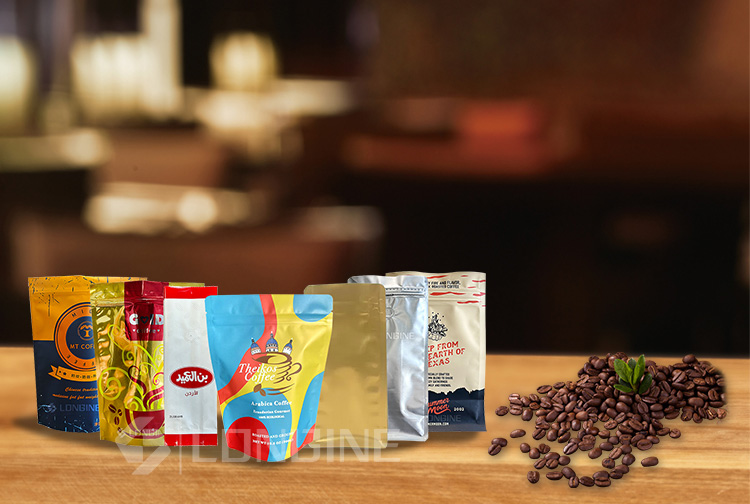
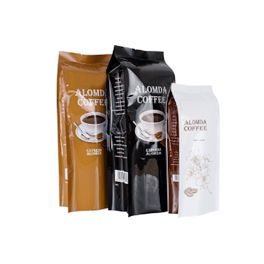
A gusset bag features expandable folds—either on the sides or at the bottom—that allow it to expand when filled. These folds provide greater internal volume and stability. Gusset bags are widely used for coffee, grains, nuts, tea, and pet food.
The design allows them to stand upright on shelves, improving display value and brand visibility. They can be sealed with zip locks or heat sealing, and often include features like degassing valves or tear notches for convenience.
Flat Pouches: Simple and Cost-Effective
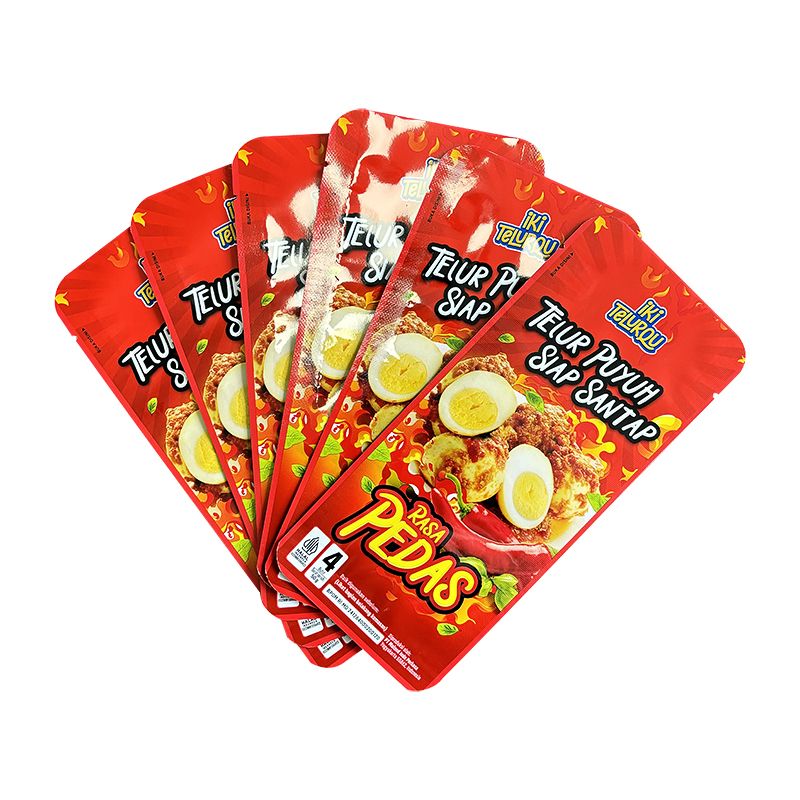
Flat pouches are flat, two-dimensional bags sealed on three sides, with one side open for filling. They are compact, lightweight, and economical—ideal for single-use portions, condiments, small snacks, and sample packaging.
Because they lie flat, they save storage and shipping space, but they don’t stand upright on shelves. This makes them better suited for products sold in sets or hanging displays.
2. Shelf Presentation and Brand Perception
The Advantage of Gusset Bags
Gusset bags stand upright, giving them a premium appearance and strong shelf presence. The multi-surface design (front, back, and sides) offers ample space for branding, ingredients, and marketing messages. Combined with finishing options such as matte film, foil, or transparent windows, they help convey quality and sophistication.This makes gusset bags particularly effective for mid-to-high-end retail products.
Flat Pouches and Minimalist Appeal
Flat pouches don’t stand on their own, but their sleek surface and clean lines align well with minimalist, modern branding. They are often used for sample packs or small portions where visual simplicity and cost efficiency are key.However, for single retail display, they tend to offer less visibility compared to gusset bags.
3. Product Protection and Packaging Performance
Durability and Pressure Resistance
Gusset bags are structurally stronger due to their folded design. The side or bottom gussets distribute pressure evenly, making them suitable for heavier or more fragile contents. They also minimize tearing and puncturing during shipping.
Barrier Protection and Freshness
Most gusset bags use multi-layer laminated films that block oxygen, moisture, and UV light—critical for extending shelf life. For products like coffee beans or powdered foods, features such as degassing valves or nitrogen flushing are common.
Flat pouches can also use high-barrier films (e.g., PET/AL/PE), offering decent protection for lightweight goods. However, their thin, flat structure makes them less resistant to pressure and mechanical stress.In short, gusset bags provide stronger protection for long-term storage, while flat pouches are better for short-life or lightweight products.
4. Cost, Logistics, and Operational Efficiency
Cost of Production
Flat pouches are more affordable to produce. They require less material and simpler manufacturing steps, leading to a lower unit cost. This makes them ideal for startups, promotional campaigns, or products with tight margins.
Gusset bags, on the other hand, consume more material and require more complex folding and sealing, resulting in a higher cost per unit. Yet, this added cost often pays off through better visual presentation and perceived product value.
Shipping and Storage Efficiency
Flat pouches are space-efficient. They can be stacked or boxed tightly, reducing freight costs and warehouse storage space.
Once filled, gusset bags occupy more volume, but their structural integrity helps reduce product damage during transport. For fragile or perishable goods, this balance between protection and cost often favors gusset-style packaging.
5. Manufacturing and Automation Compatibility
Flat Pouches: Easy Integration and Flexibility
Flat pouches are compatible with both manual and semi-automatic filling systems. They are ideal for small to medium-scale production and for manufacturers prioritizing flexibility or small batch runs.
Gusset Bags: Scalable for Industrial Production
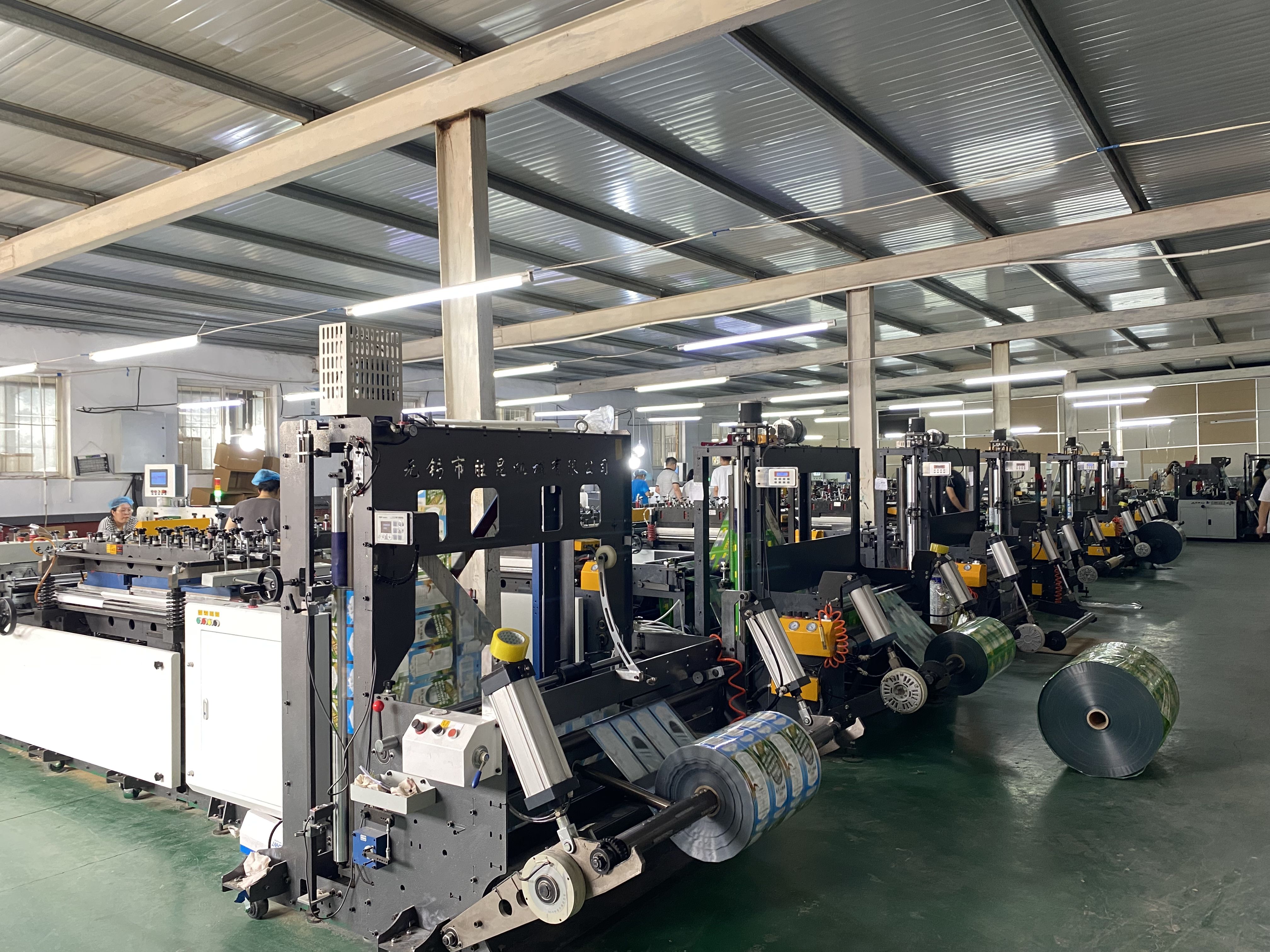
Gusset bags integrate well with automated vertical form-fill-seal (VFFS) and horizontal packing machines. They support faster production speeds and can handle continuous, large-scale operations.For manufacturers planning long-term automation, gusset packaging offers scalability and consistency.
6. Sustainability and Environmental Impact
The Growing Role of Eco-Friendly Packaging
Sustainability has become a decisive factor in packaging selection. Consumers increasingly prefer products with recyclable or biodegradable packaging, and manufacturers face mounting pressure to meet environmental standards and corporate sustainability goals.
Gusset Bags and Material Efficiency
Gusset bags, while using slightly more material due to their expanded structure, can still be designed with eco-conscious films such as mono-material laminates (e.g., all-PE or all-PP). These allow for easier recycling without sacrificing durability.
In addition, their large internal capacity can reduce the need for secondary packaging. For example, one large gusset bag can replace multiple smaller flat pouches, thereby minimizing total packaging waste.
Flat Pouches and Minimal Material Use
Flat pouches are inherently material-efficient. Their simple two-panel design requires less film, meaning less plastic per package. They are lightweight and compact, contributing to lower transportation emissions and reduced carbon footprint.
However, because many flat pouches use multi-layer laminates for barrier performance, they may not be recyclable unless produced with compatible mono-materials. Recent innovations in recyclable barrier films are helping to bridge this gap.
Conclusion on Sustainability
In short, both gusset bags and flat pouches can support sustainability goals—provided the right materials are used. Gusset bags are ideal for brands looking to reduce secondary packaging and enhance product volume efficiency, while flat pouches suit companies prioritizing minimal material consumption and lightweight logistics.
7. Application Scenarios: Choosing the Right Packaging for Your Product
For Dry Goods and Bulk Items
Products such as coffee beans, grains, pet food, and powdered ingredients benefit from gusset bags. The structure provides the strength and barrier protection needed to maintain freshness and prevent spillage.The stand-up feature also improves shelf presentation, which is crucial for retail coffee or premium food packaging.
For Liquids and Small Portions
Flat pouches are perfect for single-serve liquids, sauces, condiments, and sample-size goods. Their lightweight and compact shape make them easy to handle, transport, and display.In the cosmetics and pharmaceutical sectors, flat pouches are often used for trial packs, test samples, and disposable doses—where space and cost efficiency are key.
For E-Commerce and Export Products
With the growth of e-commerce, packaging that combines durability with visual appeal has become essential. Gusset bags offer better resistance to compression and temperature variation during long-distance shipping.
Flat pouches, while compact, may require protective outer cartons for safe delivery—slightly increasing total packaging costs. For fragile or perishable export goods, gusset bags typically provide a safer choice.
8. Common Questions (FAQ)
Q1: Which is cheaper—gusset bags or flat pouches?
Flat pouches are generally cheaper to produce and transport due to lower material usage and simpler sealing processes. However, gusset bags offer better display value and durability, often leading to higher perceived product value and improved retail performance.
Q2: Can gusset bags be used for liquids?
Technically yes, but gusset bags are more suitable for dry or semi-solid products. For liquids, stand-up pouches with spouts or flat liquid pouches are preferred for ease of use and leak prevention.
Q3: Are both types available in recyclable or biodegradable versions?
Yes. Many manufacturers now offer recyclable mono-material structures and compostable films for both gusset bags and flat pouches. However, barrier performance and cost may vary depending on the chosen material.
Q4: How do printing and customization options compare?
Both packaging types support high-quality digital and rotogravure printing. Gusset bags, with multiple panels, provide more design surfaces for branding and information. Flat pouches offer a clean, uninterrupted print area that works well for minimalist branding.
Q5: Which packaging type is better for automation?
Gusset bags are compatible with high-speed automatic form-fill-seal lines, ideal for industrial-scale operations. Flat pouches are more suitable for semi-automatic or flexible small-batch production.
9. Conclusion: Finding the Right Balance Between Form, Function, and Cost
The decision between gusset bags and flat pouches ultimately depends on your product type, market positioning, and operational priorities.
- Choose gusset bags if your product requires superior protection, visual impact, or retail presentation. They are best for coffee, grains, pet food, and high-value dry goods.
- Choose flat pouches if cost-efficiency, compactness, and lightweight shipping are your top concerns. They work well for condiments, single-serve portions, and promotional packaging.
From a broader perspective, both packaging styles represent powerful solutions in the flexible packaging landscape. The best choice lies in balancing your brand’s image, logistics requirements, and sustainability commitments.