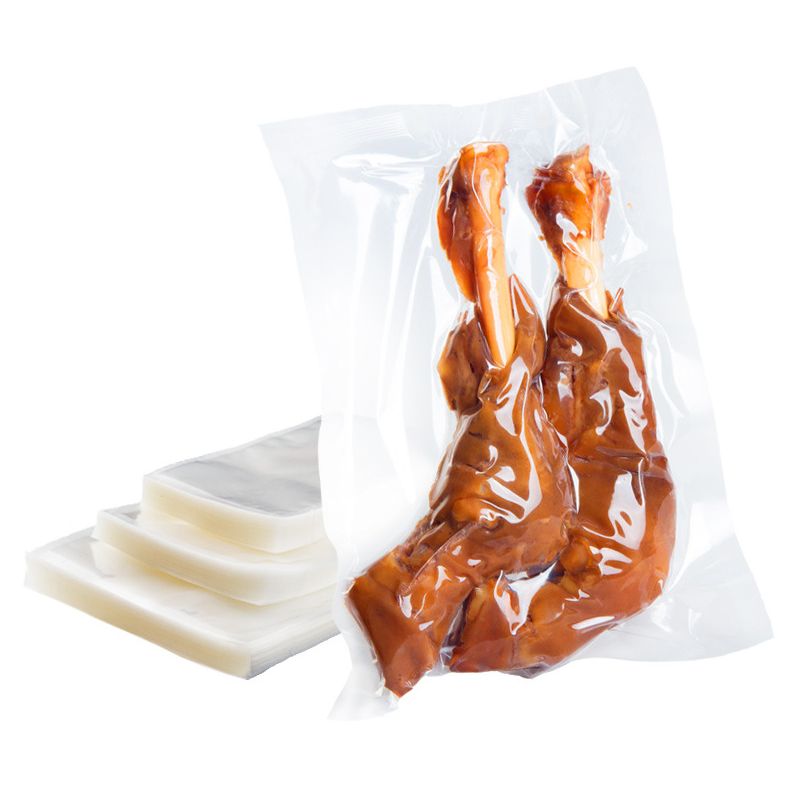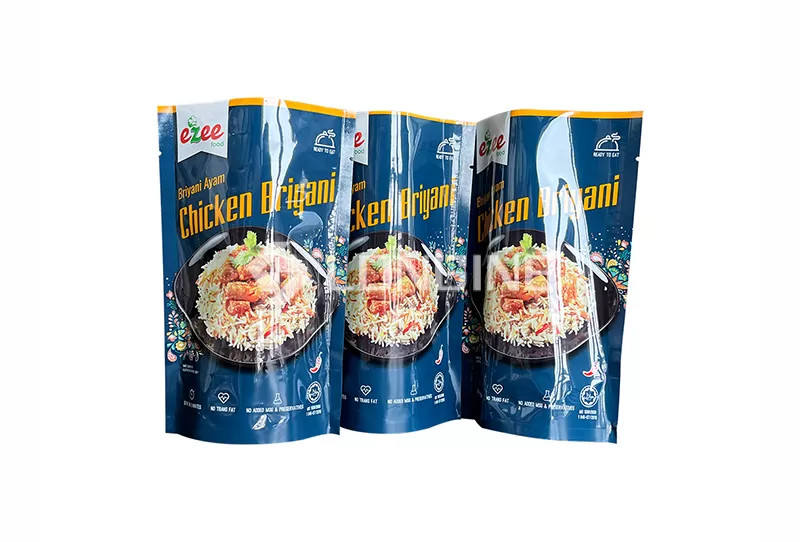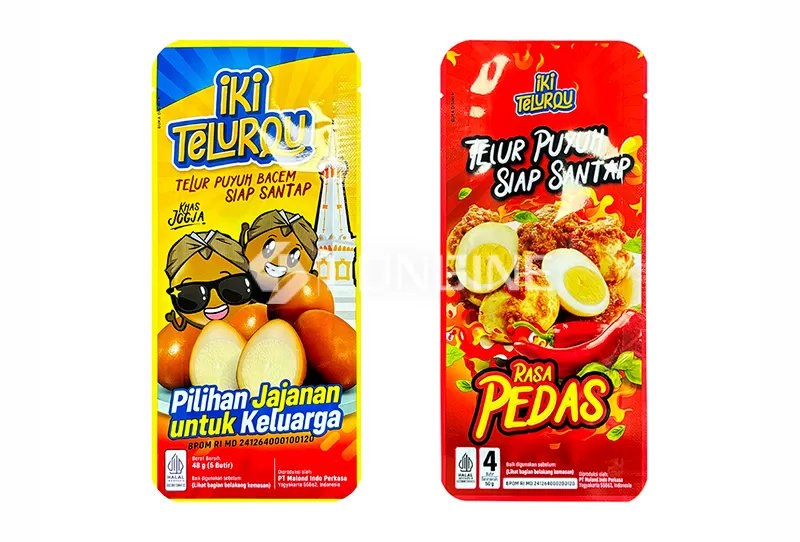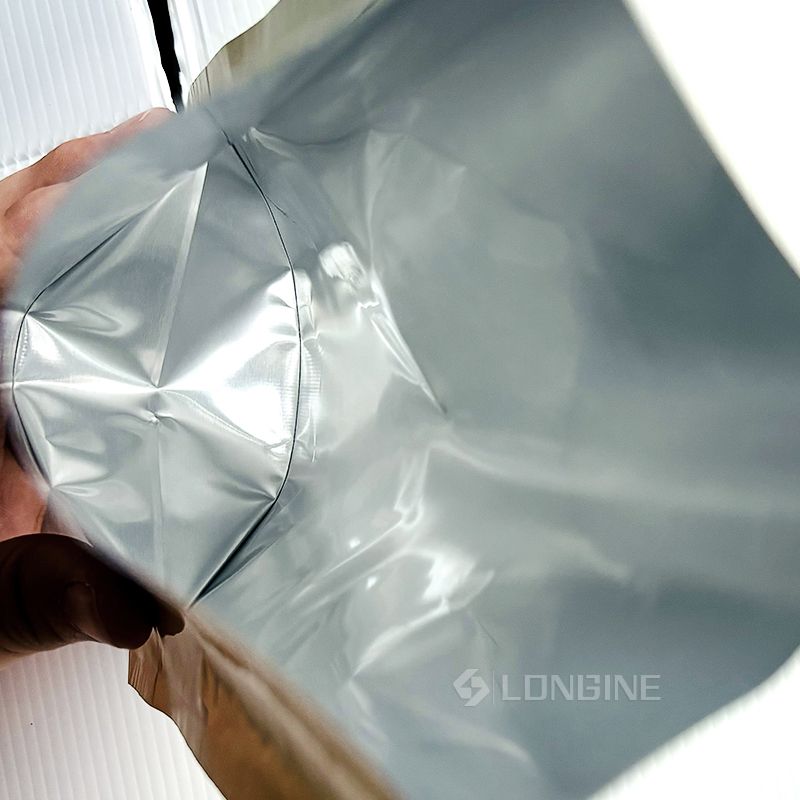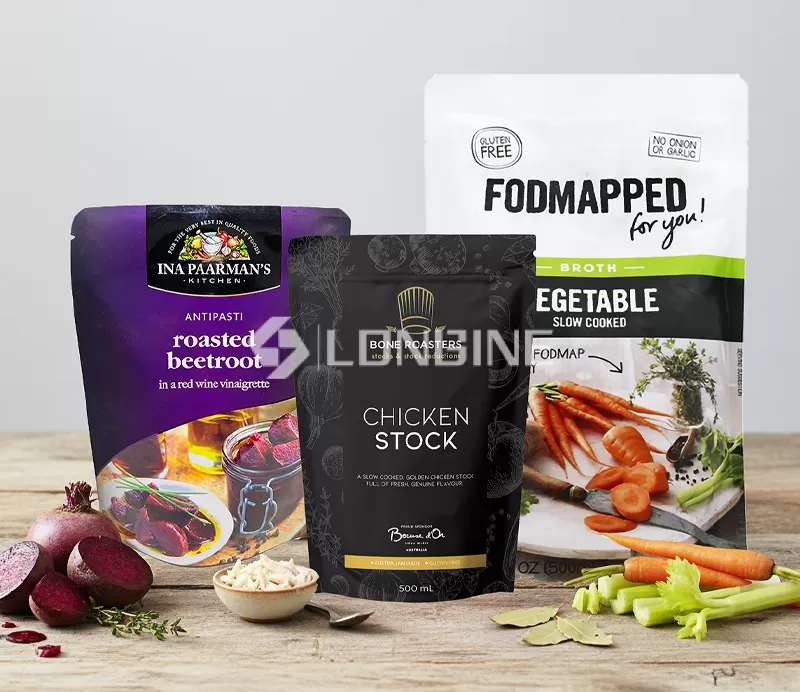
Retort processing is widely used to produce shelf-stable food products, including ready meals, meat, seafood, sauces, and pet food. By combining heat and pressure in a controlled process, it helps reduce harmful microorganisms and extend product shelf life.
However, high-temperature processing can also affect food quality and packaging performance. Understanding these effects helps food manufacturers choose suitable retort pouches and maintain product quality.
1. How Does Retort Processing Work?
Retort processing involves sealing food inside a suitable heat-resistant package and then treating it in a retort system under controlled temperature, pressure, and time conditions.
The process generally includes:
Filling food into the retort pouch.
Sealing the pouch securely.
Heating the package under specified processing conditions.
Cooling the package in a controlled manner.
Inspecting the finished package.
The required processing conditions depend on the food type, package size, filling characteristics, and validated food safety requirements.
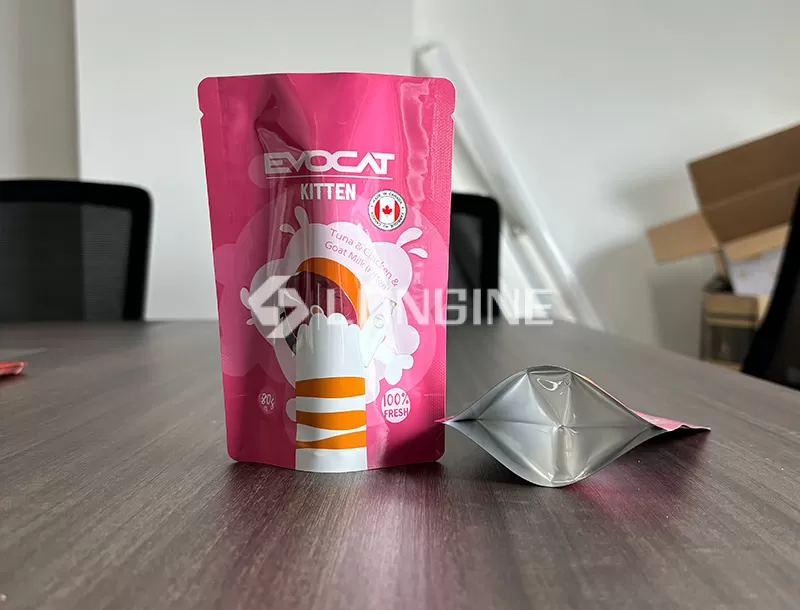
2. Effects on Food Quality
Retort processing helps make food shelf-stable, but heat exposure may change some product characteristics.
Color and appearance: Some foods may become darker or change color during heating.
Texture: Meat may become softer, while vegetables can lose some firmness. The final texture depends on the product and processing conditions.
Flavor and aroma: Heating can change flavor compounds and reduce certain fresh aromas. Proper formulation and process control help maintain the desired taste.
Nutritional value: Some heat-sensitive vitamins may decrease during processing. The extent depends on the food composition and heating conditions.
For food manufacturers, the goal is to achieve the required food safety outcome while minimizing unnecessary quality changes.
3. Effects on Retort Pouch Performance
Retort processing also places demands on packaging materials and seals.
Key performance factors include:
Heat resistance: Materials must withstand the intended processing temperature.
Seal strength: Seals must remain intact during heating, cooling, and storage.
Barrier performance: The pouch should protect food against oxygen, moisture, and light as required.
Mechanical strength: The packaging must resist handling damage and pressure changes.
Layer bonding: Laminated materials should maintain their integrity without delamination.
A suitable retort pouch structure helps protect the food throughout processing and distribution.
4. Common Packaging Problems After Retort Processing
If packaging materials or processing conditions are unsuitable, several defects may occur.
| Common Problem | Possible Cause |
|---|---|
| Seal leakage | Poor sealing conditions or contamination |
| Pouch swelling | Gas formation, processing issues, or product spoilage |
| Delamination | Inadequate material bonding or process compatibility |
| Wrinkling or deformation | Pressure or temperature imbalance |
| Weak seals | Unsuitable sealing conditions or material selection |
These problems should be investigated through package inspection and appropriate testing rather than judged by appearance alone.
5. How to Maintain Food Quality and Packaging Performance
Food manufacturers can improve results by focusing on several key areas:
Select suitable materials: Choose retort-grade structures based on the food and processing requirements.
Optimize processing conditions: Validate time, temperature, and pressure for the specific product and package.
Control sealing quality: Keep sealing areas clean and maintain consistent sealing parameters.
Test after processing: Check seal strength, leakage, package appearance, and material integrity.
Evaluate shelf life: Conduct appropriate storage and product-quality testing before commercial release.
The sterilization process should be established and validated by qualified food processing professionals.
Frequently Asked Questions
1. Does retort processing change food taste?
It can. Heat may affect flavor, aroma, color, and texture. The degree of change depends on the food and processing conditions.
2. Can retort pouches withstand high temperatures?
Retort pouches are made with heat-resistant material structures, but their maximum processing conditions depend on the specific laminate, seals, and pouch design.
3. Why do retort pouches sometimes leak after processing?
Possible causes include weak seals, food contamination in the sealing area, unsuitable materials, or improper processing conditions.
4. Does retort processing extend food shelf life?
Yes. When the food, packaging, and validated thermal process are properly designed, retort processing can produce commercially shelf-stable food products.
Choose the Right Retort Pouch for Your Food Products
Retort processing affects both food quality and packaging performance. Selecting suitable materials, maintaining reliable seals, and validating processing conditions are essential for consistent results.
Longine Packing provides flexible packaging solutions for different food applications. Contact us to discuss your retort pouch material structures, pouch styles, and customization requirements.