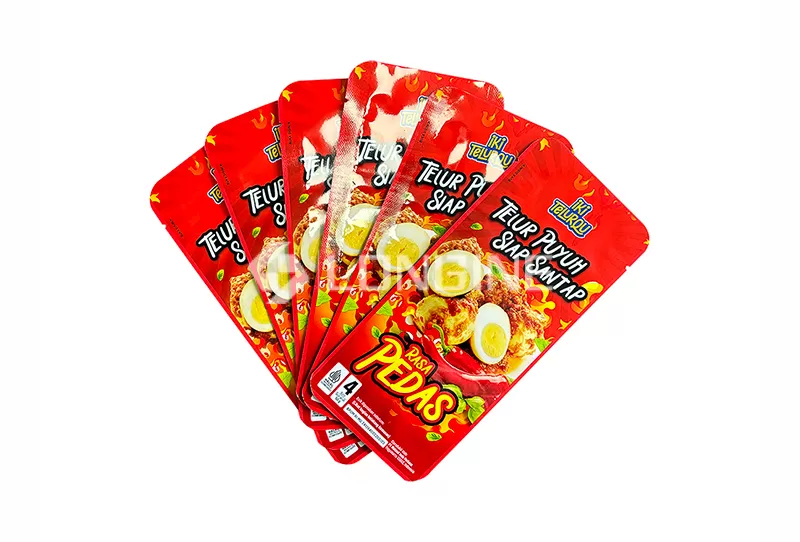
The cost of custom retort pouches in bulk depends on pouch size, material structure, printing requirements, pouch style, and order quantity. Because retort pouches must withstand high-temperature sterilization, they generally require specialized materials and manufacturing processes compared with standard food pouches.
For food manufacturers, ready-meal brands, seafood processors, and pet food companies, understanding these cost factors helps with budgeting and supplier comparisons. This guide explains typical price considerations and practical ways to reduce packaging costs without compromising quality.
How Much Do Retort Pouches Cost in Bulk?
Custom retort pouch prices vary depending on specifications and order volume. The following figures are illustrative estimates for preliminary budgeting, not guaranteed market prices or supplier quotations.
| Retort Pouch Type | Indicative Unit Price |
|---|---|
| Flat retort pouch | $0.08–$0.20 |
| Custom-printed flat pouch | $0.10–$0.25 |
| Stand-up retort pouch | $0.15–$0.40+ |
| Retort spout pouch | $0.25–$0.60+ |
Actual prices may fall outside these ranges depending on pouch dimensions, laminate structure, printing, quantity, and delivery terms. Always compare quotations based on equivalent specifications.
For an accurate quote, suppliers need to know your product type, filling weight, retort conditions, order quantity, and delivery destination.
1. Material Structure Affects the Price
Retort pouches typically use multilayer laminated materials designed to withstand sterilization while maintaining barrier performance and seal integrity.
Common materials include:
PET: Provides printability, strength, and dimensional stability.
Aluminum foil: Offers strong protection against oxygen, moisture, light, and aroma transmission.
Nylon (PA): Can improve toughness and puncture resistance.
Retort-grade CPP/RCPP: Commonly used as the inner heat-sealing layer.
A common foil-based structure is PET/AL/RCPP. Other structures may be suitable depending on the product and processing conditions.
More complex materials can increase costs, but choosing the cheapest structure may lead to packaging failure or reduced shelf life.
Cost-saving tip: Select a material structure that meets your product's actual barrier and retort requirements instead of automatically choosing the thickest or most complex option.
2. Pouch Size, Thickness, and Design
Larger pouches generally use more material, while greater laminate thickness can increase raw material costs.
Before requesting a quotation, confirm:
Pouch width, height, and gusset dimensions.
Total material thickness and laminate structure.
Filling weight and product volume.
Required seal design and pouch format.
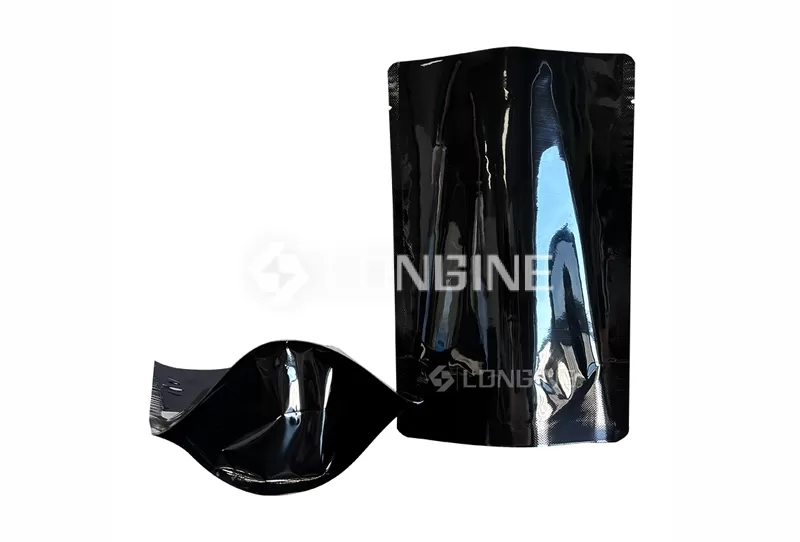
Pouch style also influences cost. Flat pouches generally have simpler constructions, while stand-up pouches require a bottom gusset and additional sealing operations. Spout pouches may cost more because of the fitment, cap, and additional sealing requirements.
Choose the format according to product functionality and consumer needs rather than adding features that provide little practical value.
3. Printing and Customization Costs
Custom printing helps food brands create distinctive packaging, but artwork complexity and setup requirements can affect the price.
Key factors include:
Number of colors and design complexity.
Printing method and setup fees.
Number of product variants.
Special finishes and additional processing.
If several products use the same pouch dimensions and material structure, ask whether production can be organized efficiently across different designs.
For smaller orders, compare printing methods based on setup costs and unit prices. The most economical option depends on order volume and artwork requirements.
4. Order Quantity and MOQ
MOQ means minimum order quantity. Bulk production often reduces the unit price because setup and production costs are spread across more pouches.
For example, the following hypothetical figures illustrate how quantity can affect pricing:
| Order Quantity | Example Unit Price | Total Packaging Cost |
|---|---|---|
| 10,000 | $0.20 | $2,000 |
| 50,000 | $0.14 | $7,000 |
| 100,000 | $0.11 | $11,000 |
These figures are examples only, not actual quotations.
Larger orders can lower unit costs, but they require more upfront investment and storage space. For new products, a smaller initial order may reduce inventory risk even if the unit price is higher.
Always confirm the MOQ for each individual design or SKU.
5. Retort Compatibility and Quality Testing
Retort pouches must withstand the specified heating, pressure, and cooling conditions without unacceptable leakage, delamination, or seal failure.
Depending on the application, packaging costs may include:
Retort-compatible materials, adhesives, and inks.
Sample preparation and evaluation.
Seal-strength and leak testing.
Post-retort package-integrity checks.
Relevant food-contact documentation.
Ask suppliers which tests and documents are included in their quotations. A low unit price may not represent better value if essential testing costs are excluded.
The packaging must be evaluated alongside the food product and its validated thermal process. A retort-compatible pouch alone does not guarantee food safety.
6. Shipping and Other Purchasing Costs
For international buyers, the quoted factory price may not include all purchasing expenses.
Consider the total landed cost, including:
Production and printing setup.
Sampling and testing.
Export packing and international freight.
Customs duties and import charges.
Local transportation and warehousing.
Ask suppliers to specify delivery terms and clarify whether freight, insurance, and other charges are included. This makes supplier comparisons more accurate.
7. How to Reduce Retort Pouch Costs
Food brands can control packaging expenses through better planning without compromising product safety or performance.
Standardize pouch sizes: Using common dimensions across product lines may simplify purchasing and inventory management.
Optimize material structure: Avoid unnecessary layers or thickness, but maintain the required barrier performance and retort compatibility.
Choose a suitable printing method: Compare setup fees and unit costs based on order quantity and artwork complexity.
Plan orders around demand: Balance lower bulk pricing against storage costs and the risk of outdated packaging designs.
Compare complete quotations: Confirm material specifications, dimensions, printing, quantity, testing, lead time, and delivery terms.
Any material or design changes should be reviewed and tested to confirm that the packaging remains suitable for the intended application.
8. What Information Is Needed for a Retort Pouch Quote?
Prepare the following details before contacting a supplier:
| Specification | Information Required |
|---|---|
| Product type | Soup, ready meal, seafood, meat, or pet food |
| Filling weight | Target net weight per pouch |
| Dimensions | Width, height, and gusset size |
| Pouch format | Flat, stand-up, or spout pouch |
| Material | Preferred structure, if known |
| Retort conditions | Temperature, time, pressure, and cooling requirements |
| Printing | Artwork and number of designs |
| Order quantity | Units per design and estimated annual demand |
| Destination | Country or region for delivery |
If you are unsure about the material structure, provide your product and processing details first. A packaging supplier can help assess suitable options for further evaluation.
Get a Custom Retort Pouch Quote from Longine Packing
The cost of custom retort pouches depends on material performance, pouch design, printing, order quantity, and delivery requirements. A clear specification helps reduce unnecessary expenses while ensuring that the packaging suits the intended food product and retort process.
Longine Packing provides flexible packaging solutions for businesses seeking customized pouch formats and material structures. Share your product type, filling weight, pouch dimensions, retort conditions, artwork, and estimated order quantity to discuss suitable options and request a quotation.
Comparing suppliers on equivalent specifications helps you balance unit price, packaging performance, and total purchasing cost.