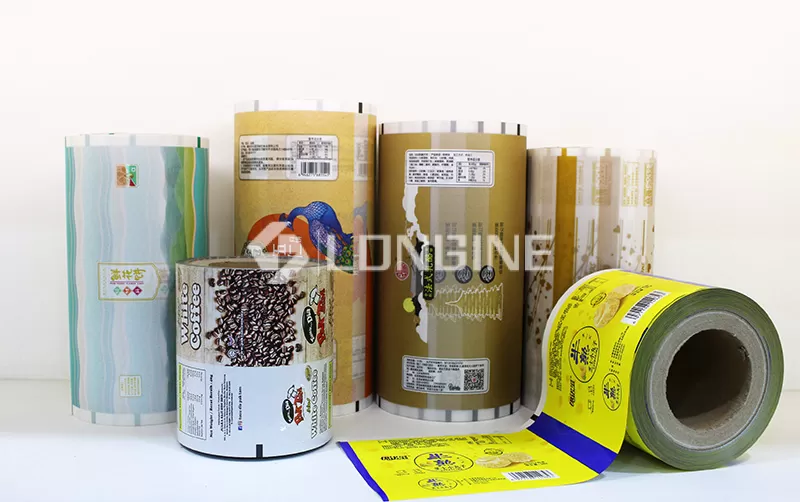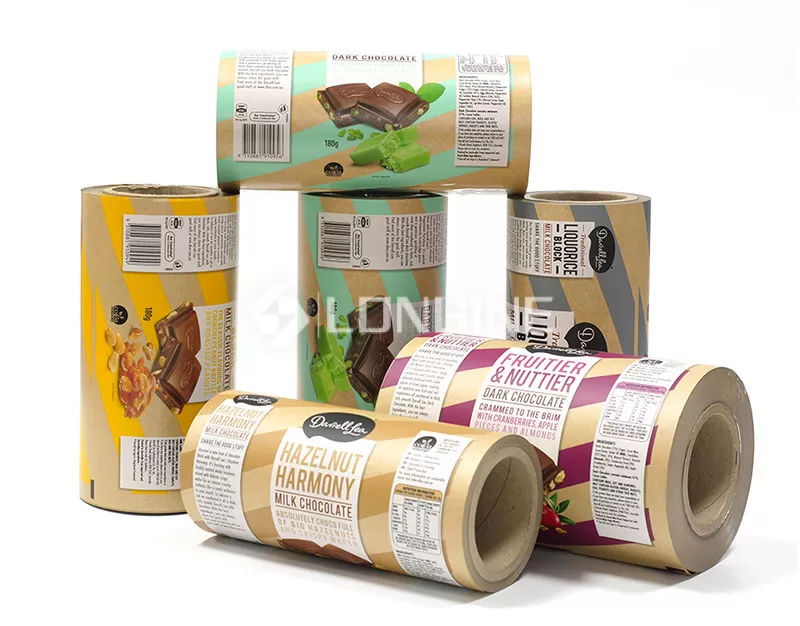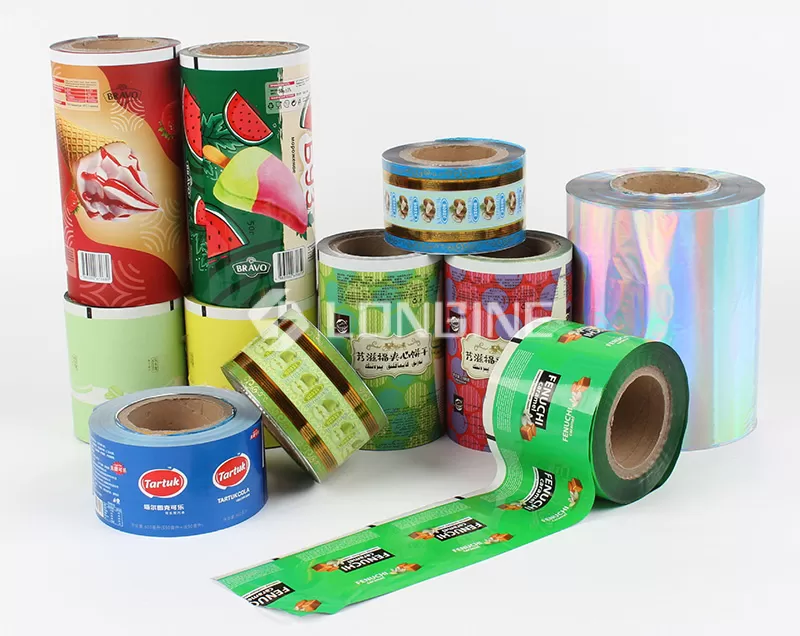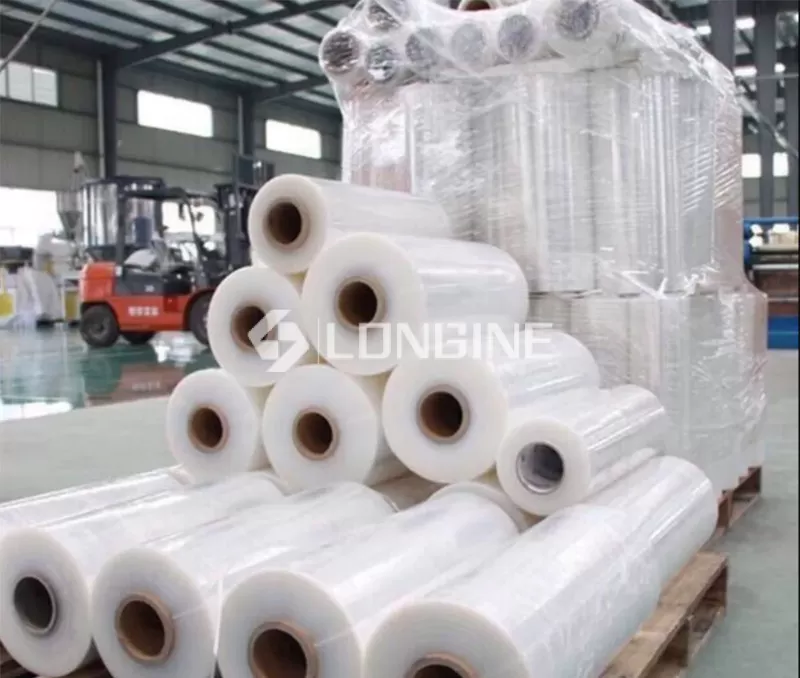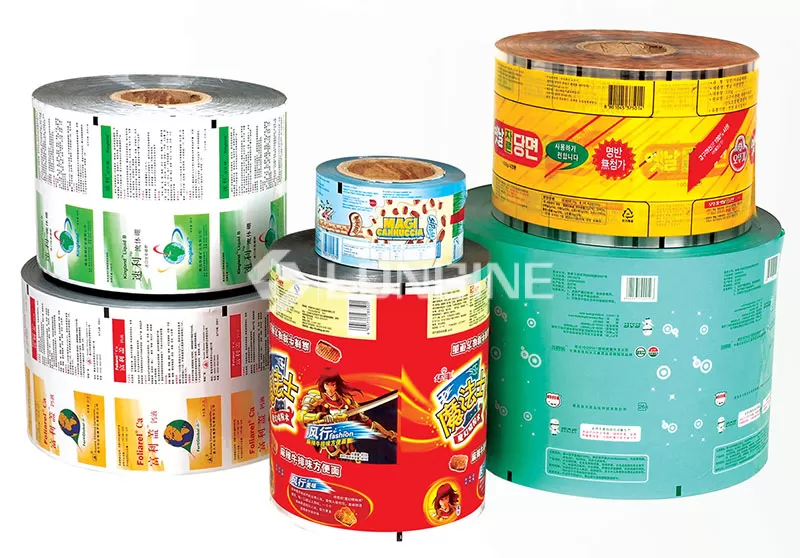
Sustainable packaging has become an important consideration for food manufacturers, consumer brands, and packaging buyers around the world. As businesses look for ways to reduce packaging waste without sacrificing product protection, recyclable plastic roll film is becoming an increasingly important flexible packaging solution.
Traditional flexible packaging often combines different polymers and barrier materials to achieve strength, sealing performance, and product protection. However, these multi-material structures can be more difficult to recycle. Recyclable mono-material structures based primarily on PE or PP are being developed to simplify packaging construction and improve compatibility with recycling systems.
So, what are the latest trends in recyclable plastic roll film, and how can businesses choose the right sustainable packaging solution?
What Is Recyclable Plastic Roll Film?
Recyclable plastic roll film is flexible packaging material designed with a structure that can be compatible with applicable recycling systems.
Unlike conventional multi-material films that may combine PET, PE, aluminum, nylon, and other materials, recyclable films increasingly focus on simplified material structures.
Common approaches include:
Mono-material PE film
Mono-material PP film
PE-based laminated film
PP-based laminated film
High-barrier recyclable film structures
The film is supplied in rolls and can be used with automatic packaging equipment such as VFFS, HFFS, and flow wrapping machines.
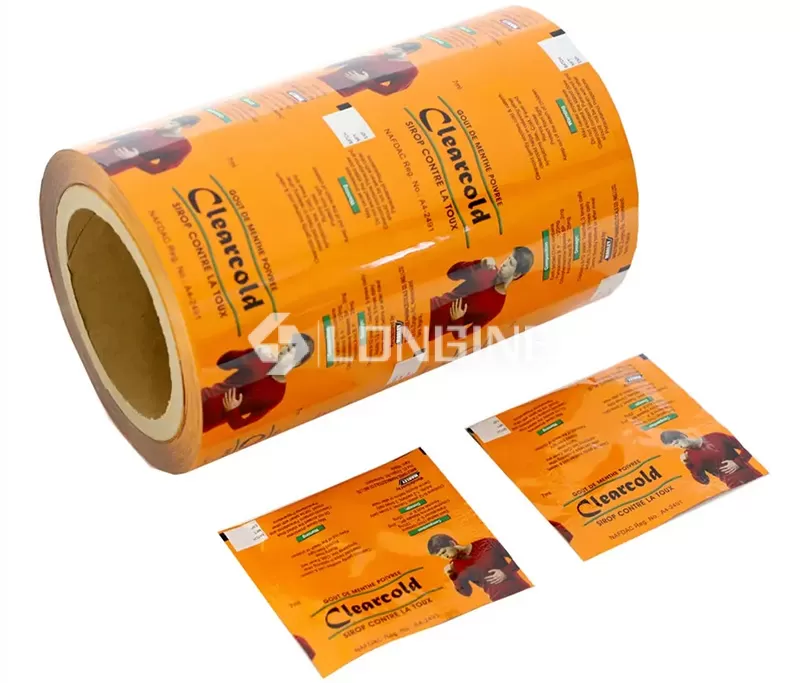
Why Is Recyclable Plastic Roll Film Becoming More Popular?
The flexible packaging industry is moving toward packaging designs that consider the entire product life cycle.
One important trend is the transition from complex multi-material structures toward mono-material structures that are easier to sort and recycle where suitable recycling infrastructure exists. Recent life-cycle research has also found potential environmental advantages when recyclable mono-material structures replace certain multi-material flexible packaging formats.
For brands, this trend is driven by several factors:
Growing demand for sustainable packaging
Packaging waste reduction goals
Brand sustainability strategies
Development of recycling infrastructure
Increasing interest in design-for-recycling
Consumer expectations for more responsible packaging
What Are the Main Materials Used in Recyclable Roll Film?
Mono-Material PE Film
Polyethylene is one of the most common materials used in recyclable flexible packaging.
PE-based roll film can provide:
Good flexibility
Excellent heat sealing
Good moisture resistance
Good puncture resistance
Compatibility with many flexible packaging applications
Potential applications include:
Frozen food
Bakery products
Dry food
Pet food
Household products
Mono-Material PP Film
Polypropylene is another important material for recyclable flexible packaging.
PP-based structures can offer:
Good stiffness
Good heat resistance
Attractive appearance
Good moisture protection
Reliable packaging performance
PP-based recyclable structures are being explored for applications where traditional multi-material laminates have historically been used.
What Is Mono-Material Packaging?
Mono-material does not necessarily mean that the package contains only one physical layer.
A mono-material film can contain several functional layers while keeping the primary polymer family consistent, such as PE-based or PP-based layers.
This approach allows manufacturers to combine functions such as:
Printing
Strength
Sealing
Barrier protection
while reducing the number of incompatible polymer types in the package.
This is important because the recyclability of flexible packaging depends not only on its appearance but also on its material composition, design, local collection systems, sorting technology, and recycling process.
Can Recyclable Roll Film Still Provide Good Product Protection?
Yes.
One of the biggest challenges in sustainable flexible packaging is achieving recyclability without sacrificing packaging performance.
Food products may require protection against:
Oxygen
Moisture
Light
Aroma loss
Contamination
Mechanical damage
Modern recyclable film development therefore focuses on maintaining barrier and sealing performance while simplifying the material structure.
For some applications, advanced PE or PP structures can provide the required balance between recyclability and product protection. However, the appropriate solution needs to be selected according to the product and required shelf life.
High-Barrier Recyclable Plastic Roll Film
High-barrier performance is particularly important for sensitive products.
For example, coffee, nuts, snacks, pet food, and powdered foods may require strong protection against oxygen and moisture.
Traditional high-barrier structures can combine several different materials. Recyclable packaging development is therefore focused on finding ways to achieve similar performance using more recycling-compatible structures.
Some newer structures use advanced barrier technologies within PE- or PP-based packaging systems. This allows packaging manufacturers to explore recyclable solutions without simply removing necessary barrier protection.
The key principle is:
Sustainability should not come at the expense of product protection.
If inadequate packaging causes products to spoil or become unusable, the environmental benefits of reducing packaging material can be offset by increased food waste.
What Are the Benefits of Recyclable Plastic Roll Film?
Reduced Material Complexity
Simplifying the material structure can make packaging more compatible with recycling systems.
Lightweight Packaging
Flexible film generally requires relatively little material compared with many rigid packaging formats.
Efficient Transportation
Roll film is compact before packaging, which can help reduce storage and transportation requirements.
Custom Printing
Recyclable roll film can still be customized with:
Brand logos
Product information
Product images
Barcodes
QR codes
Marketing graphics
Automatic Packaging Compatibility
Recyclable roll film can be designed for automatic packaging applications, helping manufacturers maintain production efficiency.
Recyclable Roll Film vs Traditional Multi-Material Film
| Feature | Recyclable Roll Film | Traditional Multi-Material Film |
|---|---|---|
| Material Structure | Simplified | Multiple material families |
| Recycling Potential | Higher when compatible with local systems | Often more challenging |
| Moisture Protection | Good to Excellent | Good to Excellent |
| Oxygen Barrier | Application dependent | Excellent options available |
| Custom Printing | Available | Available |
| Machine Compatibility | Available | Widely available |
| Sustainability Focus | High | Depends on structure |
| Application Range | Expanding | Very broad |
Neither structure is automatically suitable for every product. The final choice should be based on product protection, packaging performance, recycling requirements, and the conditions in the target market.
What Are the Latest Sustainable Packaging Trends?
1. Mono-Material Packaging
The move toward mono-material PE and PP structures is one of the most important trends in flexible packaging.
The objective is to reduce incompatible materials while retaining necessary packaging functions.
2. Recyclable High-Barrier Structures
Packaging manufacturers are developing new barrier technologies that allow recyclable structures to provide stronger protection.
This is particularly important for food products requiring extended shelf life.
3. Lightweight Packaging
Brands are increasingly looking at how much packaging material is actually necessary for the required performance.
Reducing film thickness while maintaining strength can reduce material consumption.
4. Design for Recycling
Packaging design is increasingly considering what happens after the product has been used.
This means considering:
Material selection
Film structure
Printing
Adhesives
Barrier layers
Package components
from the beginning of the packaging development process.
5. Recycled Content
Another developing trend is incorporating recycled material where technically and legally appropriate.
However, recycled content and recyclability are two different concepts. A package can be designed for recycling without necessarily containing recycled material, and the use of recycled content depends on application, regulations, food-contact requirements, and material availability.
Is Recyclable Plastic Roll Film Suitable for Food Packaging?
It can be suitable for many food packaging applications, provided that the selected structure meets the required food-contact, barrier, sealing, and performance requirements.
Potential applications include:
Snacks
Frozen food
Bakery products
Dry food
Pet food
Coffee
Nuts
Confectionery
However, not every recyclable structure is suitable for every food product.
For example, coffee packaging may require substantially stronger oxygen and aroma protection than a simple dry-food package.
What Should You Consider When Choosing Recyclable Roll Film?
Product Requirements
Determine whether your product requires protection against:
Oxygen
Moisture
Light
Aroma loss
Shelf Life
Longer shelf-life requirements may require more advanced barrier technology.
Packaging Machine
The film must work with your specific equipment, including:
VFFS machines
HFFS machines
Flow wrapping machines
Film Thickness
The film should provide sufficient strength and performance without unnecessary material usage.
Recycling Infrastructure
A package should not simply be labeled "recyclable" without considering where and how it will actually be collected and processed.
Recycling systems differ between countries and regions, so recyclability should be evaluated according to the target market.
Food-Contact Requirements
For food packaging, the material structure, inks, adhesives, and other components need to be selected according to the applicable requirements of the intended market.
Can Recyclable Roll Film Reduce Packaging Costs?
Not necessarily.
Sustainable packaging materials can have different costs depending on:
Polymer type
Film thickness
Barrier technology
Printing
Order quantity
Production process
However, businesses should evaluate total packaging costs rather than looking only at the price per kilogram.
Important factors include:
Material consumption
Packaging speed
Waste rate
Transportation
Storage
Product protection
Shelf life
The most economical solution is usually the one that achieves the required performance with an optimized material structure.
How Can Brands Transition to Recyclable Roll Film?
Businesses don't necessarily need to change their packaging system overnight.
A practical transition can include:
Step 1: Analyze the Current Packaging
Identify the current film structure and determine why each layer is being used.
Step 2: Define Performance Requirements
Determine the required:
Oxygen barrier
Moisture barrier
Strength
Sealability
Shelf life
Step 3: Evaluate Mono-Material Alternatives
Work with a packaging manufacturer to identify PE- or PP-based structures that may meet the requirements.
Step 4: Test the Film
Run samples through the actual packaging equipment.
Check:
Film feeding
Forming
Sealing
Printing
Package strength
Step 5: Conduct Product Shelf-Life Testing
Packaging should be evaluated under realistic storage conditions before large-scale conversion.
Step 6: Confirm Recycling Compatibility
Check the requirements and available recycling pathways in your target market.
Why Choose Longine Packing?
Longine Packing specializes in flexible packaging solutions for food manufacturers, consumer brands, wholesalers, and other businesses.
Our packaging solutions include:
Recyclable plastic roll film
Mono-material PE film
Mono-material PP film
Custom printed roll film
High-barrier packaging film
Food-grade flexible packaging
VFFS-compatible roll film
We work with customers to balance sustainability, product protection, packaging performance, and cost.
Whether you are developing a new sustainable package or looking to replace an existing multi-material structure, Longine Packing can help evaluate suitable film options based on your product and packaging equipment.
Conclusion
Recyclable plastic roll film is becoming an important direction in sustainable flexible packaging.
The industry is increasingly moving toward simplified PE- and PP-based structures that can offer better recyclability while maintaining the performance required for modern packaging.
However, sustainable packaging is not simply about using a material labeled "recyclable." The right solution needs to consider:
Material structure
Product protection
Barrier performance
Machine compatibility
Shelf life
Food-contact requirements
Local recycling infrastructure
Total packaging cost
For brands looking to improve their packaging sustainability, recyclable plastic roll film provides an opportunity to combine efficient flexible packaging with a design-for-recycling approach.
If you are looking for a recyclable plastic roll film manufacturer or wholesale supplier, contact Longine Packing to discuss your product, film specifications, printing requirements, and packaging machine.