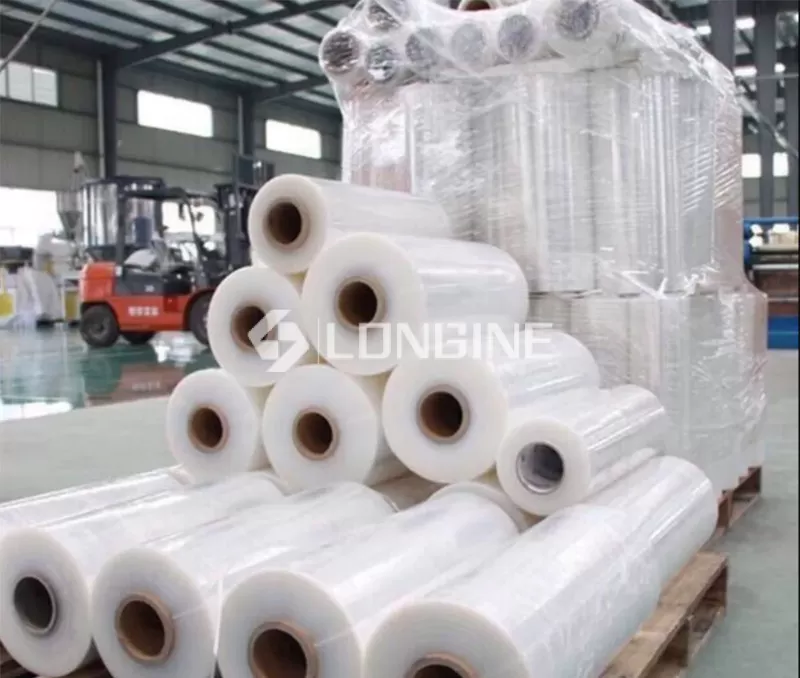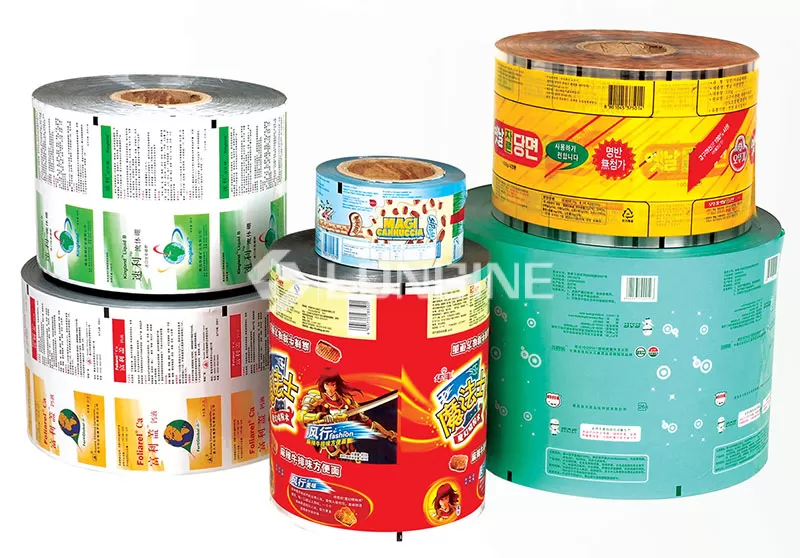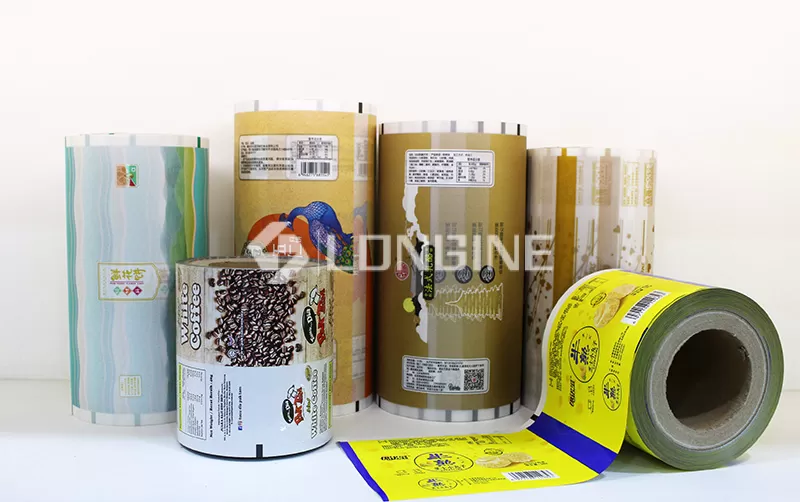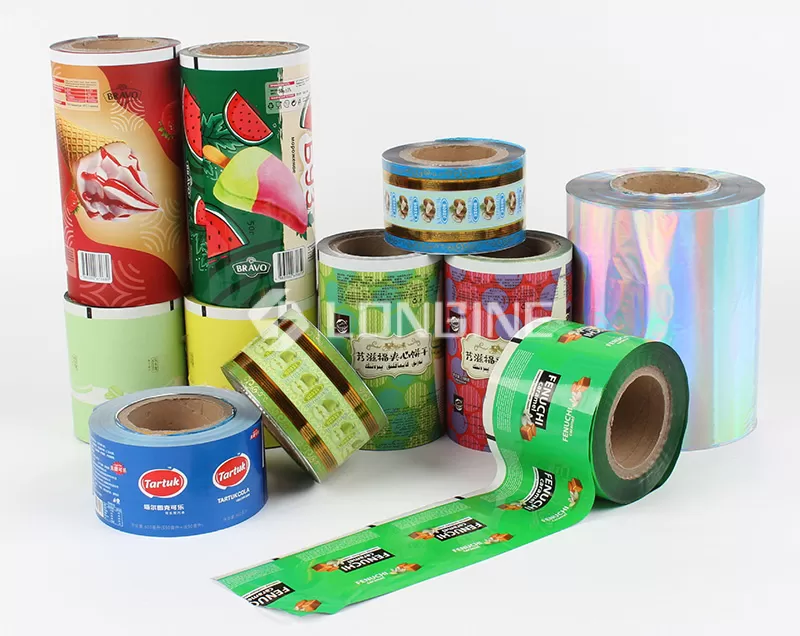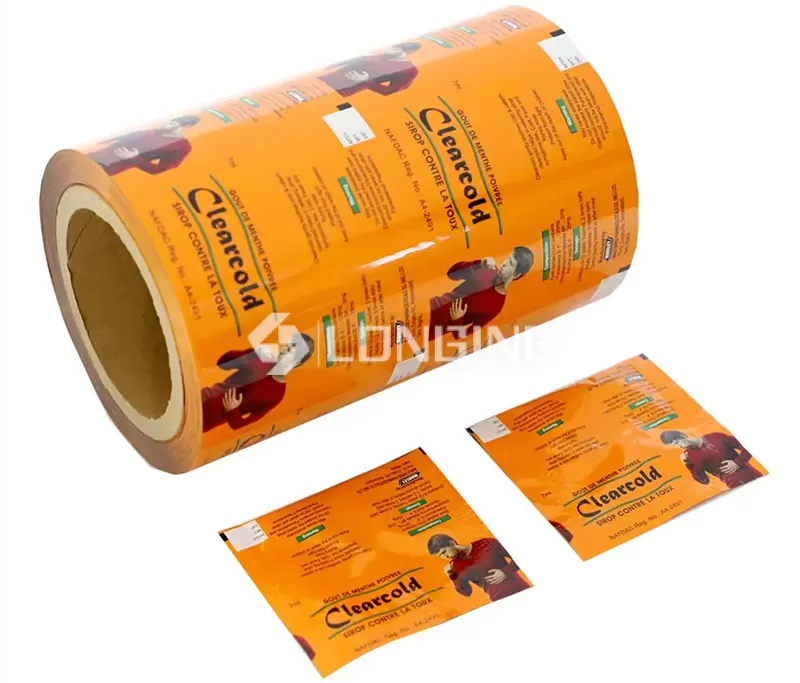
Choosing the best plastic roll film for food packaging is an important decision for food manufacturers, packaging companies, and brand owners. The right film must do more than simply wrap a product. It needs to provide reliable sealing, appropriate barrier protection, mechanical strength, good printability, and compatibility with the packaging machine.
Different food products also require different packaging performance. Snacks may need strong moisture and oxygen protection, while frozen foods may require excellent flexibility and puncture resistance. Coffee needs protection against oxygen, moisture, light, and aroma loss, while sauces and liquid foods may require strong seals and chemical resistance.
So, what is the best plastic roll film for food packaging?
There is no single film that works best for every food product. The ideal solution depends on the product characteristics, shelf-life requirements, packaging equipment, storage conditions, and required barrier performance.
What Is Plastic Roll Film for Food Packaging?
Plastic roll film is a continuous flexible packaging material supplied in rolls and used to manufacture bags, pouches, sachets, flow-wrap packages, and other flexible packaging formats.
Unlike pre-made bags, roll film allows packaging manufacturers and food producers to form and seal packages during the filling process. This makes it particularly suitable for automatic packaging equipment such as VFFS and HFFS machines.
Food packaging roll film can be produced as:
Single-layer film
Co-extruded film
Laminated film
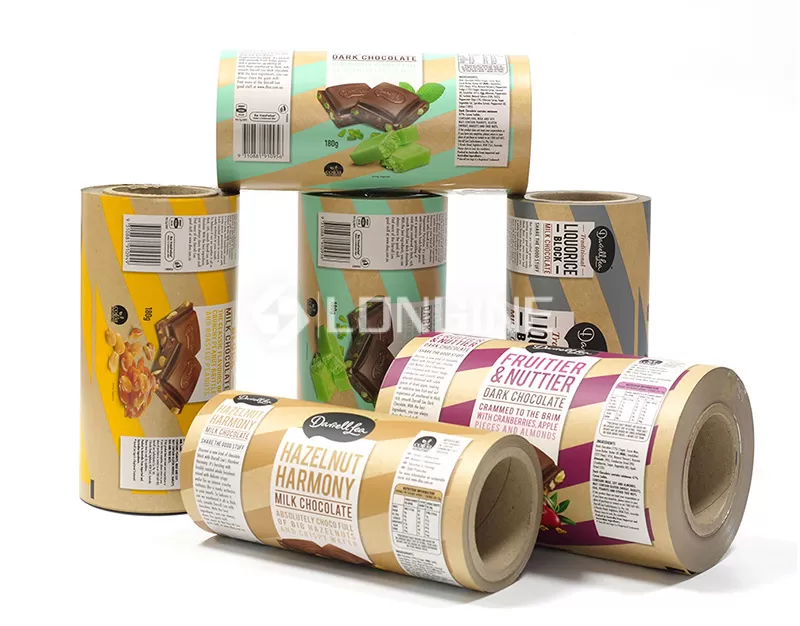
Printed roll film
High-barrier roll film
Recyclable mono-material film
Custom-width and custom-thickness film
The final structure can combine different materials so that each layer performs a specific function.
For example, an outer PET layer can provide printing and mechanical strength, while a PE inner layer provides heat sealing. Additional barrier layers such as EVOH, aluminum foil, or metallized film can be incorporated when stronger oxygen, moisture, or light protection is required.
What Materials Are Used for Food Packaging Roll Film?
The best plastic roll film structure depends largely on the materials used. Some of the most common materials include PET, PE, PP, PA, and EVOH.
PET Film
Polyethylene terephthalate, commonly known as PET or BOPET when biaxially oriented, is widely used as an outer layer in flexible food packaging.
PET offers:
Good mechanical strength
Excellent dimensional stability
Good printability
High transparency
Good appearance
Good resistance to heat compared with many polyolefin films
PET is commonly used in laminated structures for snacks, coffee, baked foods, confectionery, pet food, and many other products.
However, PET is generally not used alone as the primary heat-sealing layer in typical flexible pouches. It is often combined with a sealant layer such as PE or CPP.
PE Film
Polyethylene is one of the most widely used materials for food packaging film.
Common PE types include LDPE and LLDPE. PE is valued for its flexibility, toughness, moisture resistance, and heat-sealing performance.
PE is commonly used as:
Inner sealing film
Bag-making film
Flexible packaging film
Frozen food packaging
Fresh food packaging
Bakery packaging
General food packaging
For many flexible packages, the PE layer is the part that directly contacts the product and creates the final package seal.
LLDPE can also provide good puncture resistance and mechanical strength, making it useful for packaging products that may place greater stress on the package.
PP Film
Polypropylene is another important material for food packaging.
PP offers good stiffness, chemical resistance, moisture barrier properties, and relatively high temperature resistance. It can be used in both rigid and flexible food packaging applications.
BOPP is particularly common in flexible packaging because it provides:
Good clarity
Good stiffness
Good tensile strength
Good printability
Good moisture resistance
BOPP is widely used for snack foods, biscuits, bakery products, confectionery, and other dry food packaging applications.
CPP can also be used as a sealing layer, especially where heat resistance and sealing performance are important.
PA Film
Polyamide, commonly called nylon or PA, is frequently used when packaging requires additional toughness and puncture resistance.
PA provides useful mechanical properties and can contribute to oxygen and aroma barrier performance. It is commonly used in structures for:
Meat
Seafood
Vacuum packaging
Frozen food
Products with sharp edges
Modified-atmosphere packaging
PA is often combined with PE because PA provides strength while PE provides reliable heat sealing.
EVOH Barrier Film
EVOH is used when a package requires strong oxygen barrier performance.
Oxygen can negatively affect many food products by accelerating oxidation, flavor changes, color deterioration, and loss of freshness. EVOH can therefore be incorporated into multilayer structures for products that are particularly sensitive to oxygen.
Typical applications may include:
Meat
Cheese
Processed foods
Snacks
Coffee
Ready-to-eat foods
EVOH is normally used as a functional barrier layer rather than as the main structural or sealing layer.
Which Plastic Roll Film Is Best for Different Foods?
The best film depends on the food product and the protection it requires.
| Food Product | Common Film Structure | Important Performance |
|---|---|---|
| Snacks | BOPP/PE, PET/PE, high-barrier laminates | Moisture, oxygen and aroma protection |
| Coffee | PET/PE, PET/AL/PE, high-barrier structures | Oxygen, moisture, aroma and light protection |
| Biscuits | BOPP/CPP, PET/PE | Moisture and mechanical protection |
| Frozen Food | PE-based or PA/PE structures | Flexibility, puncture resistance and sealing |
| Meat | PA/PE, PA/EVOH/PE | Oxygen barrier, toughness and sealing |
| Seafood | PA/PE, high-barrier structures | Puncture resistance and oxygen protection |
| Powdered Food | PET/PE, BOPP/PE and high-barrier laminates | Moisture and seal integrity |
| Pet Food | PET/PE, PET/CPP, high-barrier laminates | Strength, moisture and oxygen protection |
| Sauces | PE-based multilayer structures | Chemical resistance and strong sealing |
| Bakery Products | BOPP/PE or other flexible laminates | Moisture and product protection |
These are general examples rather than universal formulas. The final structure should be selected according to the product, filling process, storage environment, and required shelf life.
How Does Plastic Roll Film Protect Food?
A well-designed food packaging film performs several functions at the same time.
Moisture Barrier
Moisture can affect food quality in both directions.
For dry foods such as snacks, biscuits, cereal, and powdered products, moisture entering the package can cause loss of crispness, clumping, or texture changes.
For some fresh products, excessive moisture loss can also negatively affect quality.
Therefore, the moisture barrier of the film should be matched to the food product and its intended shelf life.
Oxygen Barrier
Oxygen can cause oxidation and quality deterioration in many foods.
Products such as coffee, meat, nuts, snacks, and some processed foods may require stronger oxygen protection.
Depending on the application, packaging structures can incorporate materials such as PA, EVOH, metallized films, or aluminum foil to improve oxygen barrier performance.
Light Protection
Light can also affect food quality, especially for products that are sensitive to oxidation or light exposure.
When strong light protection is required, packaging manufacturers may use:
Metallized film
Aluminum foil
Opaque films
Special multilayer structures
The choice depends on the required level of protection and the desired appearance of the finished package.
Aroma Protection
Aroma retention is particularly important for coffee, spices, snacks, and other products with distinctive flavors or fragrances.
A properly designed multilayer film can help reduce the transfer of oxygen, moisture, and aroma through the package, helping the product maintain its intended sensory characteristics.
What Makes a Food Packaging Film Safe?
Food packaging safety is not determined simply by whether a material is called "PE," "PP," or "PET."
The specific resin grade, additives, inks, adhesives, coatings, processing conditions, and final packaging structure all need to be appropriate for the intended food-contact application.
When purchasing food-grade plastic roll film, buyers should consider:
Food-Contact Compliance
The film should be manufactured using materials and components suitable for the intended food-contact application and target market.
Depending on where the packaging will be sold, different regulatory requirements may apply.
For international packaging projects, buyers should communicate the destination market and intended food application to the packaging supplier before production.
Migration Requirements
Packaging materials can potentially interact with food. Therefore, appropriate materials and formulations should be selected to meet applicable migration requirements.
This is particularly important for packaging that will be used with:
Oily foods
Acidic foods
Fatty foods
Hot-filled products
Frozen products
Long shelf-life foods
Printing Ink and Adhesive Selection
Food packaging safety does not depend only on the plastic film itself.
For laminated and printed packaging, inks, adhesives, coatings, and other components should also be suitable for the intended packaging structure and application.
A professional packaging supplier should be able to discuss the complete structure rather than treating the plastic film as an isolated material.
What Performance Factors Should You Consider?
When selecting plastic roll film for food packaging, material selection is only the first step.
Several performance factors should be evaluated.
1. Heat-Sealing Performance
Reliable sealing is essential for food packaging.
A film with insufficient sealing performance can result in:
Leakage
Package failure
Poor appearance
Reduced product protection
Production interruptions
The sealing layer should be compatible with the packaging machine and the required sealing temperature.
2. Tensile and Puncture Strength
The film needs to withstand filling, sealing, transportation, stacking, and handling.
Products with sharp edges or heavy contents may require stronger structures.
For example, vacuum-packed meat and frozen foods can benefit from structures with higher puncture resistance.
3. Oxygen Transmission
For oxygen-sensitive products, oxygen transmission rate is an important specification.
Lower oxygen transmission generally means stronger oxygen barrier performance.
However, the required value depends on the product and the target shelf life. There is no universal oxygen transmission specification suitable for every food.
4. Water Vapor Transmission
Water vapor transmission is another important consideration.
Dry foods generally require strong moisture protection to prevent moisture from entering the package, while other products may have different moisture-control requirements.
5. Film Thickness
Film thickness affects:
Strength
Stiffness
Sealing
Machine performance
Packaging cost
Material consumption
Thicker film is not automatically better.
The objective is to select sufficient thickness for the application while maintaining efficient material use and reliable packaging performance.
6. Packaging Machine Compatibility
Even a high-performance film may not perform properly if it is not suitable for the packaging machine.
Before ordering roll film, confirm:
Film width
Film thickness
Roll diameter
Core size
Printing direction
Sealing method
Machine speed
Forming method
Required sealing temperature
Registration requirements
This is especially important for VFFS and HFFS packaging systems.
What Are Common Plastic Roll Film Structures?
Different multilayer structures are designed for different packaging requirements.
PET/PE
PET/PE is a common flexible packaging structure.
PET can provide printing, stiffness, and mechanical support, while PE provides heat sealing and moisture protection.
It is suitable for many dry food and general flexible packaging applications.
BOPP/CPP
BOPP/CPP is widely used for snack foods, biscuits, confectionery, and other products where clarity, printability, stiffness, and heat sealing are important.
PA/PE
PA/PE is often selected when stronger mechanical performance and puncture resistance are needed.
It is commonly used for vacuum packaging and products such as meat and seafood.
PET/AL/PE
This type of structure combines PET, aluminum foil, and PE.
It can provide strong protection against light, oxygen, and moisture and is commonly considered for products requiring high barrier performance.
PET/EVOH/PE
EVOH can be incorporated into a multilayer structure when high oxygen barrier performance is required while maintaining a flexible packaging format.
The appropriate structure depends on the food product and the required shelf life.
How to Choose the Best Plastic Roll Film for Your Food Product
Instead of choosing a film based only on price or material name, use a systematic selection process.
Step 1: Identify the Food Product
Start by determining whether the product is:
Dry
Moist
Oily
Acidic
Frozen
Powdered
Liquid
Oxygen-sensitive
Aroma-sensitive
Step 2: Define the Required Shelf Life
A short shelf-life product may not require the same barrier performance as a product expected to remain stable for many months.
The target shelf life should therefore be established before selecting the film structure.
Step 3: Determine Storage Conditions
Consider whether the package will be stored:
At room temperature
In refrigerated conditions
In a freezer
Under high humidity
Under high temperatures
In direct or indirect light
These conditions can significantly influence film selection.
Step 4: Check Packaging Equipment
Provide the supplier with your packaging machine specifications.
This helps determine the correct film width, thickness, sealing layer, roll dimensions, and printing requirements.
Step 5: Determine Barrier Requirements
Decide whether your product needs protection against:
Oxygen
Moisture
Light
Aroma loss
Grease
External odors
This information helps determine whether a basic film structure or a high-barrier laminate is appropriate.
Step 6: Consider Packaging Appearance
For branded food products, appearance is also important.
You may require:
High-definition custom printing
Matte finish
Gloss finish
Transparent windows
Metallic appearance
Special surface effects
The outer film should be selected according to both functional and visual requirements.
Is High-Barrier Plastic Roll Film Always Better?
Not necessarily.
High-barrier film can provide stronger protection, but it may also involve more materials, higher costs, and more complex structures.
For example, a simple dry-food product with a relatively short shelf life may not require an extremely high oxygen barrier.
On the other hand, coffee, fatty foods, meat, or products requiring extended shelf life may benefit from a higher-performance structure.
The goal should be the right level of barrier performance, rather than simply selecting the highest barrier available.
What About Recyclable Plastic Roll Film?
Sustainability is becoming an increasingly important consideration in flexible food packaging.
Traditional multilayer structures can combine several different materials to achieve excellent performance, but some combinations can be more difficult to recycle.
For suitable applications, mono-material structures based primarily on PE or PP can be considered.
However, switching to a recyclable structure should not mean sacrificing essential packaging performance.
When evaluating recyclable plastic roll film, consider:
Product protection
Seal performance
Machine compatibility
Oxygen barrier
Moisture barrier
Puncture resistance
Printing requirements
End-of-life recycling requirements
The best solution is the one that balances packaging performance, product protection, material efficiency, and sustainability goals.
How Can Longine Packing Help With Food Packaging Roll Film?
Longine Packing provides custom flexible packaging solutions for food brands, manufacturers, and wholesalers.
Different products require different packaging structures, so the packaging film can be customized according to the application.
Longine Packing can help customers evaluate factors such as:
Food packaging application
Film material
Lamination structure
Film thickness
Roll width
Printing requirements
Barrier performance
Heat-sealing requirements
Packaging machine compatibility
Packaging quantity and specifications
Whether you need plastic roll film for snacks, coffee, biscuits, frozen foods, pet food, powdered products, or other food applications, choosing the correct material structure is essential for achieving reliable packaging performance.
Conclusion
The best plastic roll film for food packaging depends on the product rather than a single universal material.
PE is widely used for sealing and moisture protection, PP provides useful stiffness and heat resistance, PET offers strong mechanical and printing performance, PA provides toughness and puncture resistance, while EVOH can add strong oxygen barrier performance.
For many food products, the most effective solution is therefore a multilayer plastic roll film in which each layer performs a specific function.
Before placing a bulk order, evaluate the food product, target shelf life, storage conditions, required barrier properties, packaging machine, film dimensions, sealing performance, and food-contact requirements.
By matching the film structure to the actual packaging application, food manufacturers can achieve better product protection, reliable machine performance, attractive packaging, and more efficient packaging costs.
If you are looking for custom plastic roll film for food packaging, Longine Packing can help you develop a suitable film structure based on your product, packaging machine, and production requirements. Contact us to discuss your required material, size, printing, and packaging specifications.