In the specialty coffee industry, every detail matters—from sourcing green beans to roasting profiles and brewing methods. However, one factor that is sometimes underestimated is packaging. For specialty roasters, choosing the right coffee bean bag can significantly impact product freshness, brand perception, logistics efficiency, and ultimately profitability. While high-quality packaging may appear more expensive at first glance, many experienced roasters have discovered that investing in better coffee bags delivers a strong return on investment (ROI).
This article explores how premium coffee bean bags help specialty roasters reduce losses, improve product quality, and build stronger brands while solving several real operational challenges.
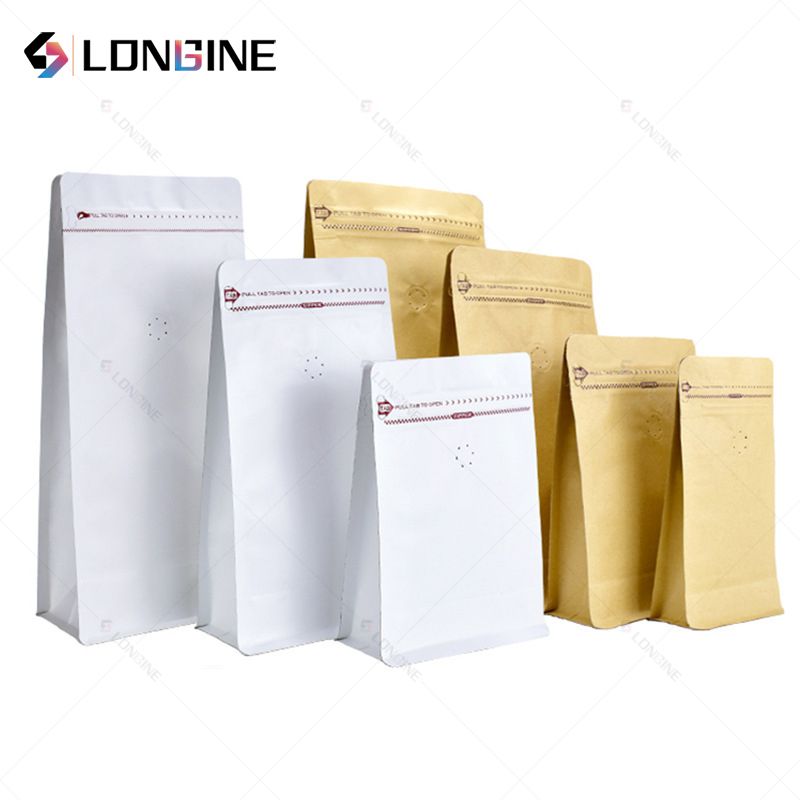
Why Coffee Packaging Is More Important Than Many Roasters Realize
Freshly roasted coffee is extremely sensitive to environmental factors. Oxygen, moisture, heat, and light can quickly degrade coffee beans, causing the loss of aroma and flavor that specialty coffee consumers value most.
At the same time, roasted beans release carbon dioxide during the degassing process. If coffee is stored in low-quality packaging, several problems can occur:
- Oxidation reduces flavor quality
- Moisture affects bean stability
- Packaging may swell or rupture
- Shelf life becomes unpredictable
A high-quality coffee bean bag is designed specifically to address these challenges. Multi-layer materials, degassing valves, and airtight seals help preserve the coffee’s original flavor profile for a longer period. For specialty roasters who rely on consistency and quality reputation, this protection is critical.
Extending Shelf Life and Reducing Product Waste
One of the most immediate benefits of better coffee packaging is longer shelf life. Specialty coffee typically tastes best within a few weeks after roasting, but poor packaging can cause noticeable flavor degradation in just a few days.
High-barrier coffee bean bags—often made with laminated materials such as aluminum foil or EVOH layers—significantly slow down oxygen transmission. This means roasted beans retain their aroma and oils much longer.
In practical terms, this helps roasters:
- Reduce stale inventory
- Minimize product waste
- Manage production batches more efficiently
For example, a small roasting company that produces 500 kg of roasted beans per week may lose a portion of its inventory if the coffee becomes stale before it is sold. If higher-quality coffee bean bags extend freshness by even a few extra days, the reduction in waste can easily offset the additional packaging cost.
Many roasters find that improved packaging quickly pays for itself through reduced losses.
Degassing Valves: A Small Feature With a Big Impact
Freshly roasted coffee releases carbon dioxide for several days. Without a degassing valve, packaging freshly roasted beans becomes difficult because pressure builds inside the bag.
High-quality coffee bean bags typically include a one-way degassing valve that allows gas to escape while preventing oxygen from entering. This technology solves several practical problems:
- Bags do not inflate or burst during storage
- Coffee can be packaged soon after roasting
- Oxygen exposure is minimized
From an operational perspective, degassing valves allow roasters to streamline their workflow. Instead of waiting days before sealing coffee, beans can be packed immediately, which improves production efficiency and simplifies inventory management.
Enhancing Brand Value and Customer Perception
In specialty coffee markets, packaging also plays a powerful role in branding. Consumers often judge product quality based on visual presentation, especially when shopping online or in retail stores.
A well-designed coffee bean bag communicates professionalism and attention to detail. Premium packaging materials, matte finishes, custom printing, and clean labeling all contribute to a stronger brand image.
For many specialty roasters, upgrading their packaging has led to measurable marketing benefits:
- Increased shelf visibility in retail stores
- Stronger brand recognition
- Higher perceived product value
This improved perception often allows roasters to position their coffee as a premium product. Even a small increase in retail price can significantly improve profit margins while still being justified by better packaging and product presentation.
Improving Logistics and Distribution Reliability
As specialty coffee businesses expand, they often begin shipping products to cafés, distributors, or direct-to-consumer customers. During transportation, packaging must withstand handling, stacking pressure, and temperature changes.
Low-quality bags may tear, leak, or lose their barrier performance during shipping. When this happens, roasters may face damaged goods, refunds, or dissatisfied customers.
Durable coffee bean bags provide better protection during transportation. Strong seals, reinforced materials, and stable bag structures ensure the coffee arrives at its destination in excellent condition.
For companies shipping hundreds or thousands of bags per month, reducing packaging failures can prevent costly returns and protect brand reputation.
Improving Efficiency in Packaging Operations
Another practical benefit of high-quality coffee bean bags is improved packaging efficiency.
Consistent bag dimensions and reliable sealing materials make it easier for roasters to use semi-automatic or automatic filling machines. Poorly manufactured bags can cause sealing failures, misalignment, or machine downtime.
When packaging runs smoothly:
- Production speed increases
- Labor costs decrease
- Product output becomes more consistent
For medium-sized roasters, even small improvements in packaging efficiency can save significant labor hours over time.
Comparing Costs: Cheap Bags vs High-Quality Coffee Bean Bags
The most common concern roasters have about premium packaging is cost.
For example:
- Standard low-cost bag: $0.20 per unit
- High-quality barrier coffee bean bag: $0.35 per unit
The difference is about $0.15 per bag.
However, when looking at the full business picture, this difference becomes relatively small. Consider the potential benefits:
- Reduced coffee spoilage
- Lower product returns
- Better brand presentation
- Improved logistics reliability
- Increased retail pricing opportunities
Many specialty roasters find that the improved shelf life and stronger brand perception easily compensate for the additional packaging cost.
Practical Tips for Choosing the Right Coffee Bean Bag
To maximize ROI, specialty roasters should evaluate several key factors when selecting packaging.
- Barrier protection: Choose materials that effectively block oxygen and moisture.
- Degassing valve quality: Ensure the valve performs reliably without allowing air back into the bag.
- Bag structure: Options like flat-bottom bags or stand-up pouches improve shelf presentation.
- Resealable closures: Zippers help consumers maintain freshness after opening.
- Sustainability options: Many brands now prefer recyclable or compostable materials to appeal to environmentally conscious customers.
Working with a packaging supplier experienced in coffee applications can help roasters find the right balance between cost, performance, and brand image.