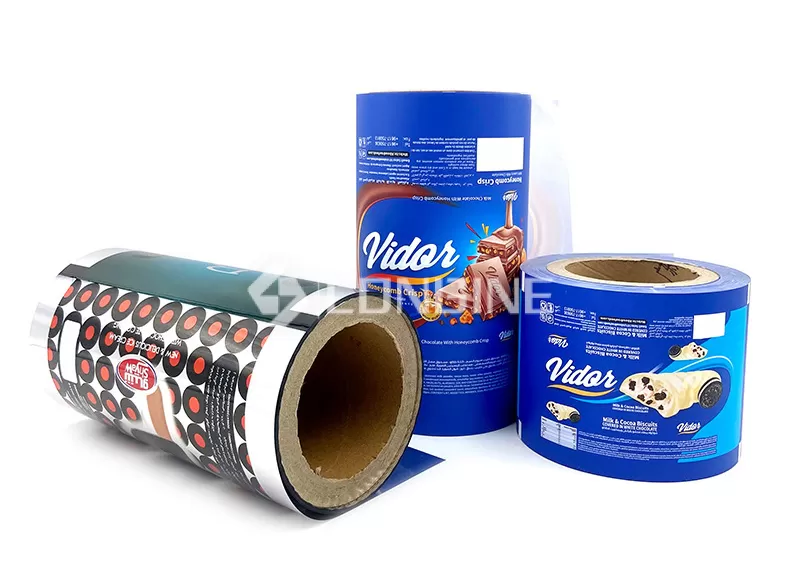
Plastic roll film is one of the most widely used materials in the modern packaging industry. From food and coffee to snacks, pet food, and industrial products, businesses around the world rely on plastic roll film for efficient, cost-effective, and high-speed packaging solutions.
But what exactly is plastic roll film, and why is it so important in flexible packaging?
In this article, we’ll explain what plastic roll film is, how it works, its common applications, and why so many manufacturers choose it for automated packaging systems.
What Is Plastic Roll Film?
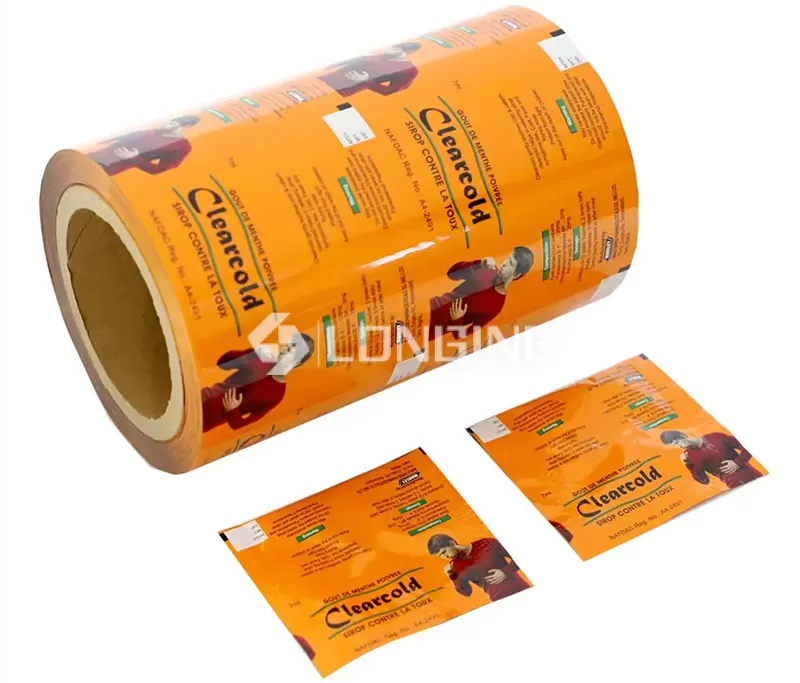
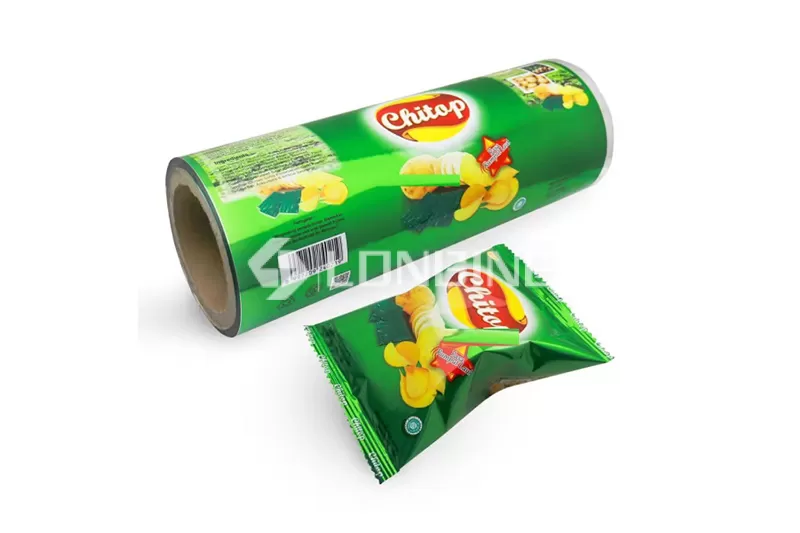
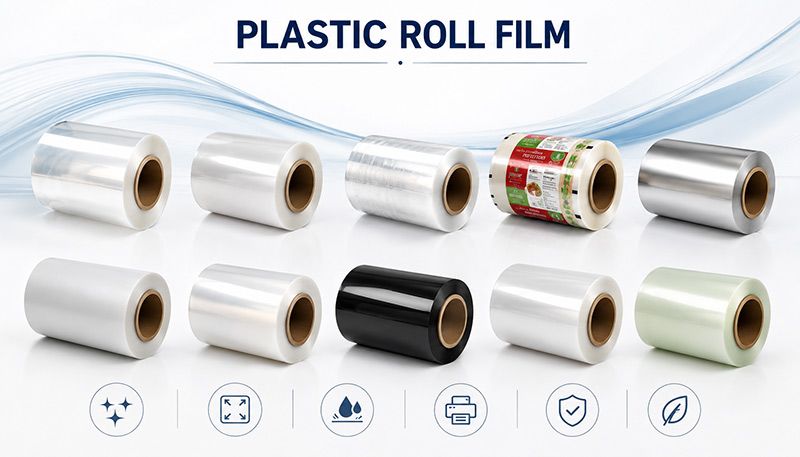
Plastic roll film is a flexible packaging material supplied in continuous rolls rather than pre-made bags or pouches. It is designed to be used on automatic packaging machines that form, fill, and seal the packaging during production.
The film can be:
Plain (unprinted)
Custom printed
Single-layer or multi-layer laminated
High barrier or standard barrier
Plastic roll film is commonly used in:
Food packaging
Coffee packaging
Frozen food packaging
Snack packaging
Powder packaging
Pet food packaging
Industrial product packaging
Because it is highly adaptable, plastic roll film has become a key material in flexible packaging systems.
How Does Plastic Roll Film Work in Packaging?
Plastic roll film is mainly used with automated packaging machines, including:
VFFS (Vertical Form Fill Seal) machines
HFFS (Horizontal Form Fill Seal) machines
Flow wrapping machines
The packaging process typically includes:
The roll film is fed into the machine
The film is formed into a bag or pouch shape
Products are automatically filled inside
The package is sealed and cut
This automated process allows manufacturers to package products quickly and efficiently with minimal labor.
Types of Plastic Roll Film
There are several types of plastic roll film used in packaging, depending on the product and application.
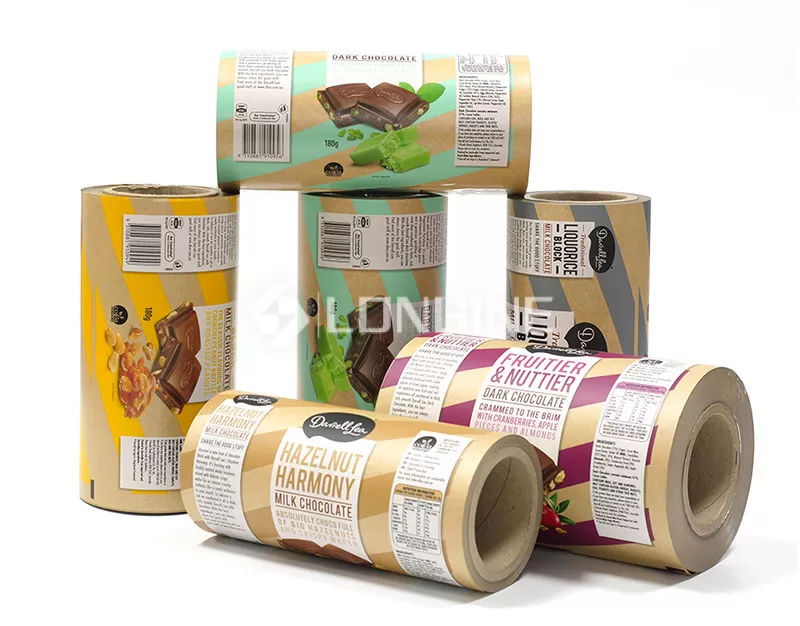
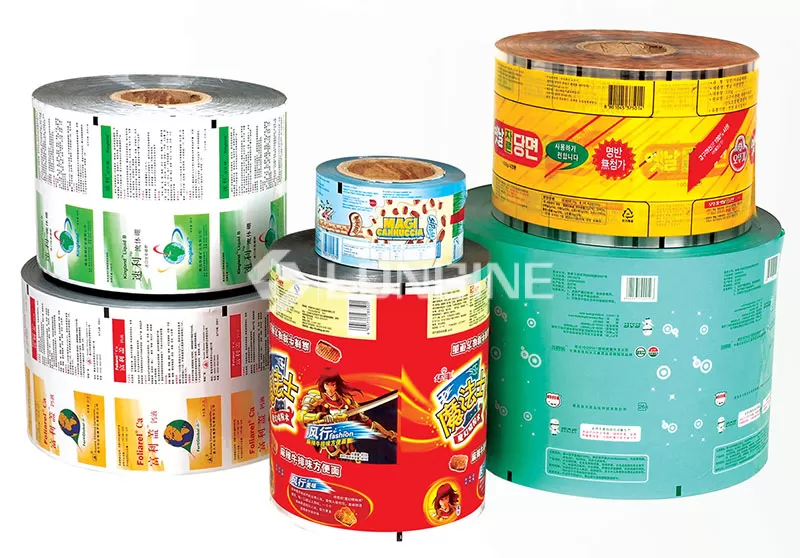
Printed Plastic Roll Film
Custom printed film includes:
Brand logos
Product information
Nutrition labels
Marketing graphics
It helps improve shelf appeal and brand recognition.
Plain Plastic Roll Film
Plain or stock film is unprinted and usually more economical. It is commonly used for:
Industrial packaging
Internal packaging
Temporary or low-cost packaging solutions
Laminated Plastic Roll Film
Laminated film combines multiple materials for better:
Strength
Barrier protection
Sealability
Durability
Common laminated structures include:
PET/PE
BOPP/CPP
PET/AL/PE
High Barrier Plastic Roll Film
High barrier films provide strong protection against:
Oxygen
Moisture
UV light
They are commonly used for coffee, snacks, powdered food, and sensitive products requiring longer shelf life.
Common Materials Used in Plastic Roll Film
Different materials provide different packaging performance.
PE (Polyethylene)
Flexible
Good moisture resistance
Cost-effective
BOPP (Biaxially Oriented Polypropylene)
High clarity
Excellent printability
Good stiffness
PET (Polyester)
Strong and durable
Heat resistant
Suitable for high-quality printing
CPP (Cast Polypropylene)
Excellent heat sealing
Good flexibility
Aluminum Foil / Metallized Film
Superior barrier protection
Blocks oxygen and light
Most modern packaging films combine several materials to achieve the desired performance.
Advantages of Plastic Roll Film in Packaging
High Packaging Efficiency
Plastic roll film is ideal for automated production lines, allowing high-speed packaging with reduced labor costs.
Lower Packaging Costs
Compared with pre-made pouches, roll film usually offers lower cost per unit, especially for large-scale production.
Flexible Packaging Design
Manufacturers can easily customize:
Bag size
Film thickness
Material structure
Printing design
Better Product Protection
Plastic roll film protects products from:
Moisture
Oxygen
Dust
Contamination
Excellent Branding Opportunities
Custom printed roll film helps products stand out on retail shelves and improves brand visibility.
Industries That Use Plastic Roll Film
Plastic roll film is widely used across multiple industries.
Food Industry
Used for:
Snacks
Frozen food
Powder products
Rice and grains
Sauces and condiments
Coffee Packaging
High barrier roll film helps preserve coffee aroma and freshness.
Pet Food Packaging
Strong and durable films protect dry pet food during storage and transportation.
Pharmaceutical & Industrial Packaging
Specialized films provide moisture and contamination protection for sensitive products.
Plastic Roll Film vs Pre-Made Pouches
Many businesses compare roll film with pre-made pouches.
Plastic Roll Film Advantages
Lower packaging cost
Faster production speed
Better for automation
Reduced storage space
Pre-Made Pouch Advantages
Premium appearance
Suitable for smaller production runs
Convenient for manual filling
For large-scale automated production, plastic roll film is often the more cost-effective option.
How to Choose the Right Plastic Roll Film
When selecting plastic roll film, businesses should consider:
Product type
Barrier requirements
Packaging machine compatibility
Film thickness
Printing needs
Sustainability goals
Choosing the right material structure is essential for balancing:
Product protection
Packaging efficiency
Cost control
Why Choose Longine Packing?
At Longine Packing, we provide custom plastic roll film solutions for customers worldwide.
We offer:
Custom printed roll film
High barrier packaging film
Food-grade materials
Flexible packaging solutions
Competitive wholesale pricing
Fast global delivery
Our packaging solutions are designed to help businesses improve efficiency, reduce costs, and strengthen their brand image.
Conclusion
Plastic roll film is an essential part of modern flexible packaging. It offers:
High production efficiency
Lower packaging costs
Strong product protection
Flexible customization options
Whether you are packaging food, coffee, snacks, or industrial products, choosing the right plastic roll film can improve both packaging performance and business profitability.
Contact Longine Packing today to find the ideal plastic roll film solution for your packaging needs! 🚀