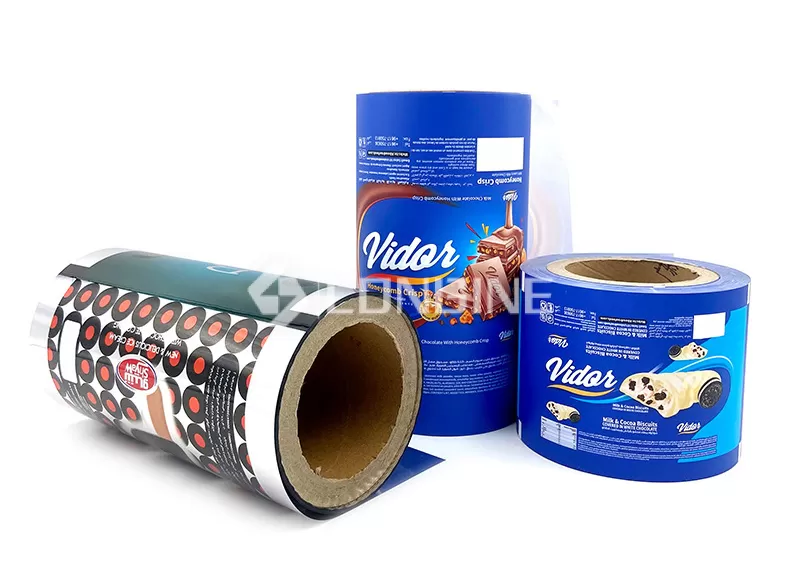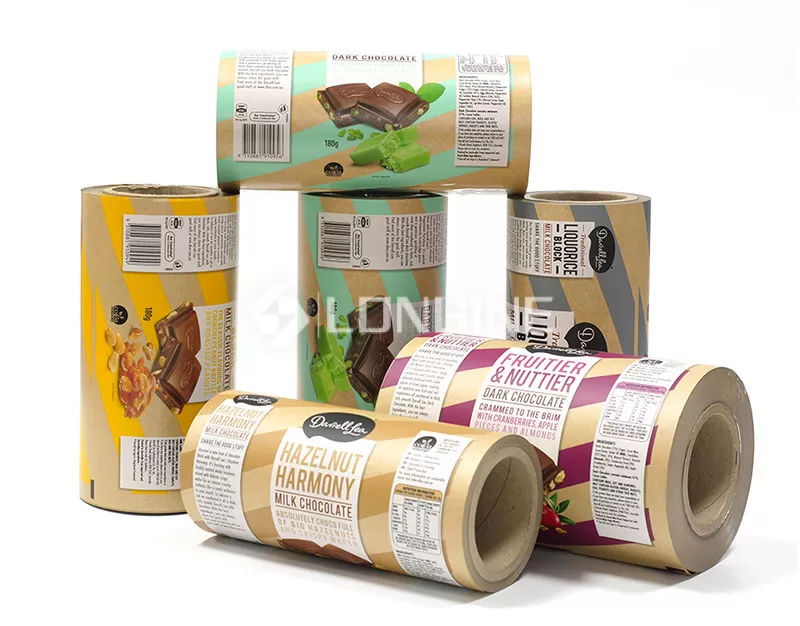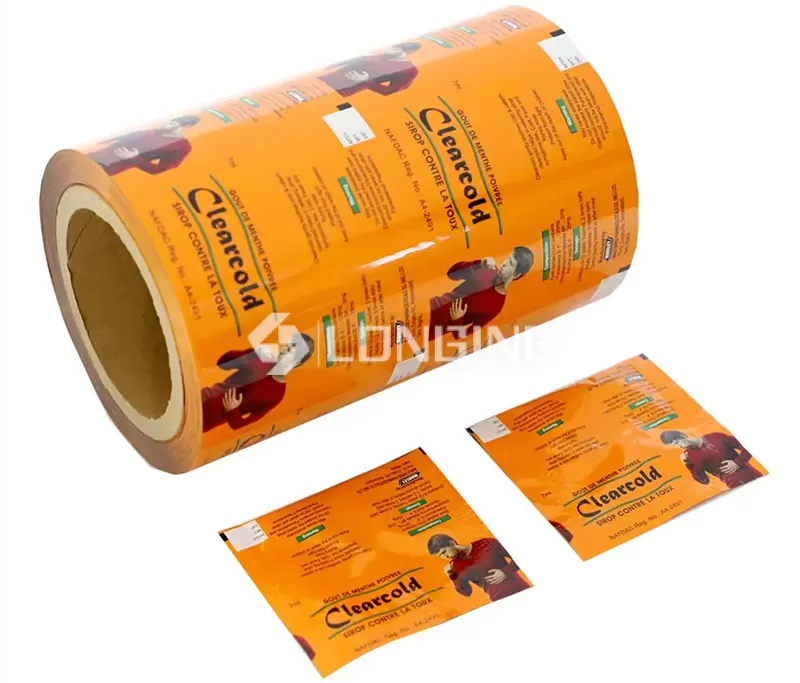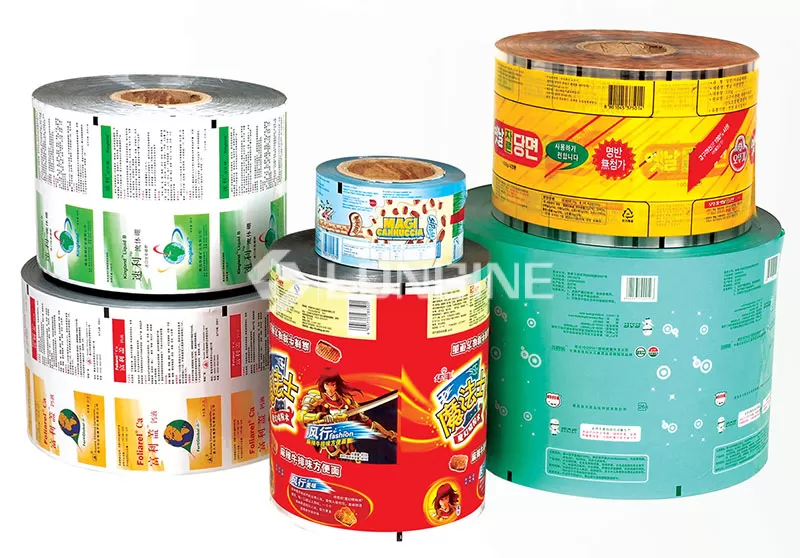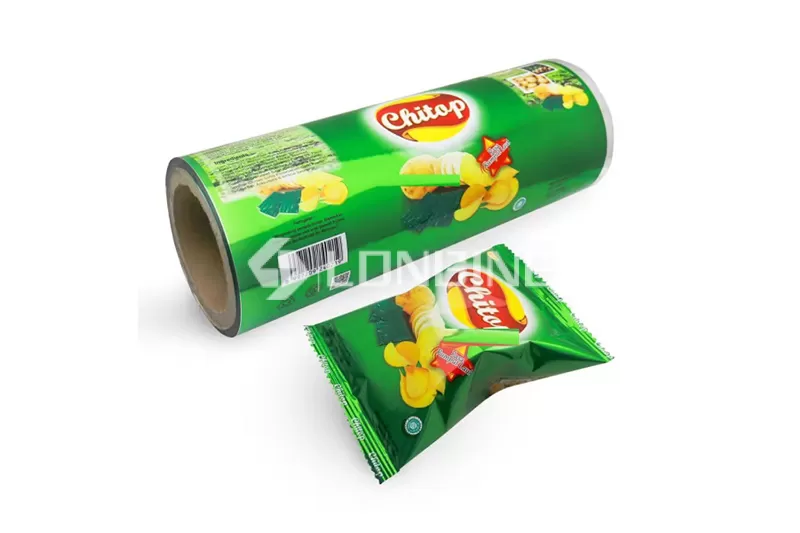
Food packaging plays a critical role in protecting products, maintaining freshness, extending shelf life, and attracting consumers. With so many materials and structures available, many buyers ask the same question:
Which plastic roll film is best for food packaging?
The answer depends on the type of food being packaged, the required shelf life, packaging conditions, and whether the product needs protection from moisture, oxygen, light, or contamination.
In this guide, we'll explore the most common food packaging films, their advantages, and how to choose the best plastic roll film for your packaging needs.
Why Choosing the Right Plastic Roll Film Matters
Food products are sensitive to environmental factors such as:
Oxygen
Moisture
Light
Temperature changes
Bacteria and contaminants
Using the wrong packaging film can lead to:
Reduced shelf life
Loss of flavor and aroma
Product spoilage
Increased product waste
Choosing the right plastic roll film helps ensure product safety while improving packaging efficiency and brand image.
What Properties Should Food Packaging Film Have?
Before selecting a film structure, it's important to understand the key requirements of food packaging.
Food Safety
Food packaging materials should be manufactured using food-grade materials that comply with international food safety standards.
Strong Barrier Protection
Many food products require protection against:
Oxygen
Moisture
UV light
Better barrier performance helps maintain product quality for longer periods.
Reliable Heat Sealing
The film should provide consistent sealing performance to prevent leaks and contamination.
Good Printability
Custom printed packaging improves brand recognition and shelf appeal.
Machine Compatibility
The film should run smoothly on automatic packaging machines without causing downtime or excessive waste.
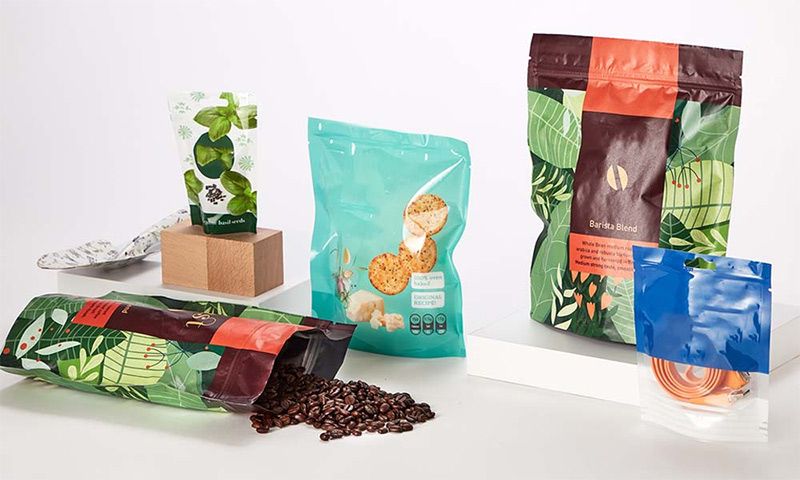
Best Plastic Roll Film Materials for Food Packaging
PET/PE Film
PET/PE is one of the most widely used structures in flexible food packaging.
Advantages
Strong and durable
Excellent print quality
Good sealing performance
Suitable for a wide range of food products
Common Applications
Powder products
Frozen food
Dry foods
Snacks
PET/PE is often considered the most versatile option for general food packaging.
BOPP/CPP Film
BOPP/CPP is popular for products that require excellent appearance and cost-effective packaging.
Advantages
High clarity
Glossy appearance
Good moisture resistance
Economical solution
Common Applications
Chips
Cookies
Candy
Bakery products
This structure is ideal for products where visual presentation is important.
PET/VMPET/PE Film
This metallized structure offers improved barrier performance compared to standard laminated films.
Advantages
Excellent oxygen barrier
Good moisture protection
Attractive metallic appearance
More cost-effective than aluminum foil structures
Common Applications
Coffee packaging
Nuts
Dried fruits
Powdered food
It provides a balance between performance and cost.
PET/AL/PE Film
PET/AL/PE is considered one of the highest-barrier structures available.
Advantages
Outstanding oxygen protection
Superior moisture barrier
Blocks light completely
Maximizes product shelf life
Common Applications
Coffee beans
Ground coffee
Nutritional powders
Sensitive food products
For products requiring maximum freshness, this structure is often the preferred choice.
Recyclable Mono-Material Films
As sustainability becomes increasingly important, many brands are switching to recyclable packaging materials.
Advantages
Easier recycling process
Reduced environmental impact
Supports sustainable packaging goals
Common Applications
Snack foods
Dry food products
Consumer packaged goods
Recyclable films are becoming a popular option for environmentally conscious brands.
Best Plastic Roll Film by Food Type
Coffee Packaging
Recommended Structure:
PET/AL/PE
PET/VMPET/PE
Why?
Coffee is highly sensitive to oxygen and moisture, requiring strong barrier protection to preserve flavor and aroma.
Snack Packaging
Recommended Structure:
BOPP/CPP
PET/PE
Why?
Snacks require moisture protection while maintaining an attractive appearance.
Frozen Food Packaging
Recommended Structure:
PET/PE
Nylon/PE
Why?
Frozen products need durability and resistance to low temperatures.
Powder Packaging
Recommended Structure:
PET/PE
PET/VMPET/PE
Why?
Powders require strong sealing and moisture protection.
Pet Food Packaging
Recommended Structure:
PET/VMPET/PE
PET/AL/PE
Why?
Pet food often requires extended shelf life and excellent barrier performance.
High Barrier vs Standard Food Packaging Film
| Feature | Standard Film | High Barrier Film |
|---|---|---|
| Moisture Protection | Good | Excellent |
| Oxygen Protection | Moderate | Excellent |
| Light Protection | Limited | Excellent |
| Shelf Life | Standard | Extended |
| Cost | Lower | Higher |
If product freshness is a top priority, investing in high-barrier film often delivers better long-term value.
How to Choose the Best Plastic Roll Film for Your Food Product
Before selecting a packaging structure, consider:
Product Type
Different foods require different levels of protection.
Shelf Life Requirements
Longer shelf life usually requires higher barrier materials.
Packaging Equipment
Ensure the film is compatible with your VFFS, HFFS, or flow-wrap machine.
Storage Conditions
Products exposed to humidity or temperature fluctuations may need enhanced barrier protection.
Budget
Balance packaging performance with overall production costs.
Why Work with a Professional Plastic Roll Film Manufacturer?
An experienced packaging supplier can help you:
Select the right material structure
Improve packaging performance
Reduce material waste
Optimize packaging costs
Ensure stable product quality
The right supplier can make a significant difference in both packaging efficiency and product protection.
Why Choose Longine Packing?
At Longine Packing, we manufacture high-quality plastic roll film solutions for food packaging applications worldwide.
We offer:
Food-grade packaging materials
High-barrier laminated films
Custom printed roll film
Recyclable packaging solutions
Flexible MOQ options
Competitive wholesale pricing
Whether you're packaging coffee, snacks, frozen foods, powders, or pet food, our team can help you find the ideal packaging solution.
Conclusion
The best plastic roll film for food packaging depends on your product's specific requirements.
For most food applications:
PET/PE offers excellent versatility
BOPP/CPP is ideal for snacks and bakery products
PET/VMPET/PE provides strong barrier protection at a competitive cost
PET/AL/PE delivers maximum freshness and shelf-life performance
By choosing the right material structure, you can improve product protection, enhance brand image, and optimize packaging costs.
Contact Longine Packing today to discuss the best plastic roll film solution for your food packaging project. 🚀