1. Why Sustainable Packaging Matters for Pet Treats in 2026
The pet treats market has experienced steady growth over the past decade, driven by premiumization, humanization of pets, and rising consumer awareness of pet health. As this market matures, packaging is no longer viewed as a secondary consideration. In 2026, sustainable packaging is becoming a strategic priority for pet treat brands rather than a marketing add-on.
Pet owners today increasingly associate their purchasing decisions with broader values, including environmental responsibility. Packaging waste—especially from single-use plastic bags—has become a visible concern, and pet treat packaging is often scrutinized due to its frequent purchase cycle and relatively small product size. As a result, brands that fail to address sustainability risk losing relevance, trust, and long-term competitiveness.
At the same time, sustainability in packaging is no longer limited to environmental messaging. Regulatory pressure, supply chain efficiency, and cost control are pushing brands to rethink materials, structures, and packaging systems. For pet treats, which often require strong moisture and oxygen barriers, the challenge lies in balancing sustainability goals with functional performance.
2. The State of Pet Treat Packaging Today
Before examining future trends, it is important to understand the current landscape of pet treat packaging and the challenges it presents.
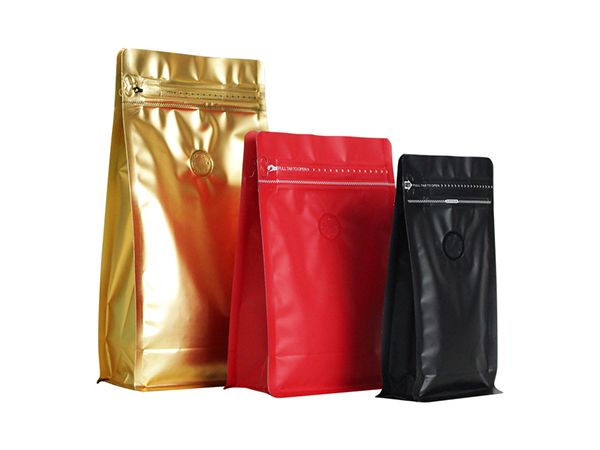
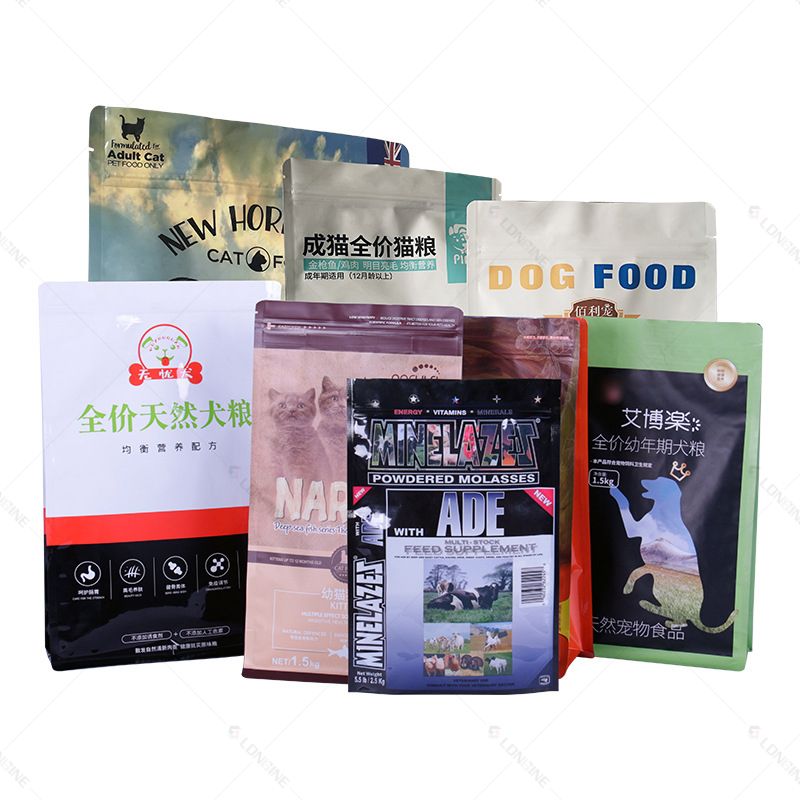
Most pet treats today are packaged in flexible plastic formats such as stand-up pouches, gusset bags, or pillow bags. These structures are popular because they are lightweight, cost-effective, and compatible with high-speed filling lines. Common material combinations include PET/PE, BOPP/CPP, and multi-layer laminated films designed to protect against moisture and oxygen.
While these packaging solutions perform well functionally, they present several sustainability challenges. Multi-material laminates are difficult to recycle in many regions due to limited recycling infrastructure. As a result, even technically recyclable materials often end up in landfill or incineration streams.
Another issue is over-packaging. In an effort to ensure shelf life and durability, many pet treat packages use more material than necessary. This increases both material consumption and transportation emissions, especially for products distributed through e-commerce channels.
From the consumer perspective, there is growing confusion around sustainability claims. Terms such as “eco-friendly,” “green,” or “biodegradable” are often used inconsistently, leading to skepticism and reduced trust. Brands that lack transparency in packaging choices may struggle to communicate genuine sustainability efforts.
In short, current pet treat packaging meets performance needs but falls short in environmental efficiency and clarity. This gap is a key driver behind the sustainable packaging innovations expected to accelerate toward 2026.
3. What Is Sustainable Packaging? Definitions and Core Principles
To evaluate sustainable packaging trends accurately, it is essential to establish a clear definition of what sustainable packaging actually means—particularly in the context of pet treats.
Sustainable packaging is packaging that is designed to minimize environmental impact across its entire lifecycle, while still fulfilling its primary functions of product protection, safety, and usability. This includes raw material sourcing, manufacturing, transportation, usage, and end-of-life disposal or recovery.
Rather than focusing on a single attribute, sustainable packaging is built on three core principles.
3.1 Environmental Responsibility Across the Lifecycle
True sustainability considers the full lifecycle of packaging materials. This includes reducing reliance on fossil-based resources, lowering carbon emissions during production, and improving end-of-life outcomes such as recyclability or compostability.
For pet treat packaging, lifecycle thinking is particularly important because short product lifespans and high purchase frequency amplify environmental impact over time.
3.2 Functional Performance Without Compromise
Sustainable packaging must still protect the product effectively. Pet treats are sensitive to moisture, oxygen, and contamination. Packaging that fails to maintain freshness or shelf life can lead to food waste, which ultimately offsets environmental benefits.
Therefore, sustainability should not be achieved by sacrificing barrier performance, seal integrity, or durability. The most effective solutions are those that optimize material efficiency while maintaining protection.
3.3 Economic Viability and Scalability
Packaging solutions must be commercially viable. Sustainable packaging that cannot be produced at scale or integrated into existing supply chains is unlikely to succeed long-term.
For pet treat brands, this means selecting materials and structures that balance environmental goals with cost control, production efficiency, and supply reliability.
4. Key Drivers of Sustainable Packaging in Pet Treats
The shift toward sustainable packaging in the pet treats industry is not driven by a single factor. Instead, it is the result of several converging forces that are reshaping decision-making at both brand and manufacturing levels.
4.1 Changing Consumer Behavior and Purchase Drivers
Pet owners increasingly view pets as family members, and this emotional connection influences purchasing behavior. Consumers who prioritize sustainability in their own food choices often expect similar standards in pet products.
Research and market observations show that younger consumers, in particular, are more likely to support brands that demonstrate genuine environmental responsibility. While price remains important, packaging sustainability can be a decisive factor when products are otherwise comparable.
Importantly, consumers are becoming more informed. They are less influenced by vague claims and more interested in clear, verifiable packaging improvements, such as recyclable structures or reduced material usage.
4.2 Regulatory and Policy Pressure
Governments and regulatory bodies are introducing stricter rules around packaging waste, plastic usage, and recyclability. Extended Producer Responsibility (EPR) schemes and packaging taxes are increasing the financial impact of non-sustainable packaging.
For pet treat brands operating across multiple regions, compliance is becoming more complex. Packaging decisions made today must anticipate future regulatory requirements, not just current standards.
Sustainable packaging is increasingly viewed as a way to reduce regulatory risk and ensure long-term market access.
4.3 Brand Responsibility and ESG Expectations
Environmental, Social, and Governance (ESG) metrics are now influencing investor decisions, retailer partnerships, and corporate reputation. Packaging plays a visible role in demonstrating environmental commitment.
For pet treat brands, sustainable packaging supports broader corporate responsibility goals and strengthens credibility with both consumers and business partners. It also enables more transparent communication about sustainability progress.
Brands that proactively invest in sustainable packaging are better positioned to adapt to future expectations rather than reacting under pressure.
5. 2026 Sustainable Packaging Trends for Pet Treats
As sustainability moves from aspiration to expectation, pet treat packaging in 2026 is defined by practical innovation rather than experimental concepts. The following trends reflect what brands are already testing today—and what will become industry standards in the near future.
5.1 Shift Toward Recyclable and Monomaterial Structures
One of the most significant trends is the transition from complex multi-layer laminates to recyclable monomaterial packaging structures.
Traditional pet treat packaging often combines PET, aluminum foil, and PE to achieve barrier performance. While effective, these structures are difficult to recycle. In response, packaging developers are increasingly designing mono-PE or mono-PP solutions that maintain acceptable moisture and oxygen barriers while improving recyclability.
For pet treats, this trend directly addresses two challenges:
Compliance with emerging recycling regulations
Clearer sustainability communication to consumers
Brands adopting monomaterial structures benefit from simplified material streams and improved acceptance in recycling systems—especially in regions with advanced recycling infrastructure.
5.2 Growth of Biodegradable and Compostable Packaging (With Clear Limits)
Biodegradable and compostable materials continue to attract interest, but by 2026, the industry is taking a more realistic and evidence-based approach.
While compostable materials such as PLA or starch-based films offer environmental advantages in specific conditions, they are not universally suitable for pet treats. Moisture sensitivity, limited barrier performance, and lack of industrial composting infrastructure remain key limitations.
As a result, compostable packaging is most viable for:
Dry pet treats with shorter shelf life
Niche or premium product lines
Brands with controlled distribution environments
Successful brands are careful to match material choice with actual disposal pathways rather than relying on broad sustainability claims.
5.3 Lightweighting and Material Reduction Strategies
Material reduction is one of the most cost-effective and scalable sustainability strategies for pet treat packaging.
By optimizing film thickness, seal design, and pouch structure, brands can significantly reduce plastic usage without compromising product protection. Lightweighting also delivers immediate benefits in transportation efficiency, lowering both emissions and logistics costs.
In 2026, lightweighting is no longer viewed as a technical compromise, but as a sign of packaging maturity—where performance is achieved with minimal material input.
5.4 Refill and Reuse Concepts Gain Selective Adoption
Refillable and reusable packaging systems are gaining attention, particularly in specialty pet stores and direct-to-consumer channels.
These systems typically involve:
Durable outer packaging
Refill pouches made from reduced or recyclable materials
While not suitable for all markets, refill concepts help brands:
Reduce total packaging waste
Increase customer loyalty
Differentiate in premium segments
By 2026, refill systems are expected to remain a strategic niche solution rather than a mass-market standard—but one with strong branding value.
5.5 Smart and Digital Packaging for Transparency
Transparency is becoming a core component of sustainability credibility. Smart packaging elements such as QR codes allow brands to communicate detailed information about materials, recyclability, and sourcing.
Rather than overloading packaging with claims, digital tools enable brands to provide verifiable data, certifications, and sustainability reports—supporting informed consumer trust.
5.6 Environmental Certifications and Standardized Claims
As greenwashing concerns grow, recognized certifications and standardized labels are becoming increasingly important.
By 2026, pet treat brands are expected to rely more on:
Third-party material certifications
Verified recyclability claims
Region-specific environmental labeling
Clear, accurate claims help brands avoid regulatory risk while reinforcing credibility.
6. Materials and Technologies Driving Sustainable Packaging Innovation
Behind these trends is rapid innovation in materials and packaging technology.
Bio-based plastics, improved barrier coatings, and advanced sealing technologies are enabling sustainable structures to meet functional requirements previously achievable only with traditional laminates.
For pet treats, innovation is particularly focused on:
Moisture and oxygen barrier optimization
Heat-sealing compatibility with existing filling lines
Maintaining shelf life while reducing material complexity
Scalability and supply stability remain critical considerations when selecting new materials.
7. Practical Steps for Pet Treat Brands to Transition to Sustainable Packaging
Sustainability transitions are most successful when approached systematically.
7.1 Conducting a Packaging Audit
Brands should begin by assessing current packaging performance, material usage, and end-of-life outcomes. Lifecycle analysis helps identify the most impactful improvement areas.
7.2 Selecting the Right Sustainable Materials
Material selection should balance sustainability goals with product protection, availability, and cost. Pilot projects and phased rollouts reduce risk.
7.3 Ensuring Production Compatibility
Sustainable packaging must integrate smoothly into existing production and filling systems. Early technical evaluation prevents costly disruptions.
7.4 Testing and Quality Assurance
Barrier testing, seal strength evaluation, and shelf-life validation are essential before full-scale adoption.
8. Challenges in Sustainable Pet Treat Packaging—and How to Overcome Them
Despite progress, brands still face challenges:
Higher material costs
Limited recycling infrastructure
Inconsistent consumer understanding
These challenges can be mitigated through transparent communication, supplier collaboration, and realistic sustainability targets.
9. Case Examples: Sustainable Packaging in Action
Brands that succeed in sustainable packaging share common traits:
Clear objectives
Incremental improvements rather than radical overhauls
Strong collaboration with experienced packaging partners
Measured improvements—such as reduced material usage or improved recyclability—often deliver both environmental and commercial value.
10. Conclusion: What Pet Treat Brands Should Prioritize in 2026
Sustainable packaging for pet treats in 2026 is defined by practical innovation, not idealized concepts. Brands that focus on recyclable structures, material efficiency, and transparent communication are best positioned for long-term success.
Rather than pursuing a single “perfect” solution, leading brands adopt a continuous improvement mindset—aligning sustainability with product performance and business realities.
11. FAQ: Sustainable Packaging for Pet Treats
What is sustainable packaging for pet treats?
It refers to packaging designed to reduce environmental impact while maintaining product safety, shelf life, and usability.
Are recyclable packages better than compostable ones?
In many regions, recyclable packaging offers more reliable end-of-life outcomes due to established recycling systems.
Does sustainable packaging affect shelf life?
When properly designed and tested, sustainable packaging can maintain comparable shelf life to traditional solutions.
Is sustainable packaging more expensive?
Initial costs may be higher, but long-term savings often result from material reduction, logistics efficiency, and regulatory compliance.