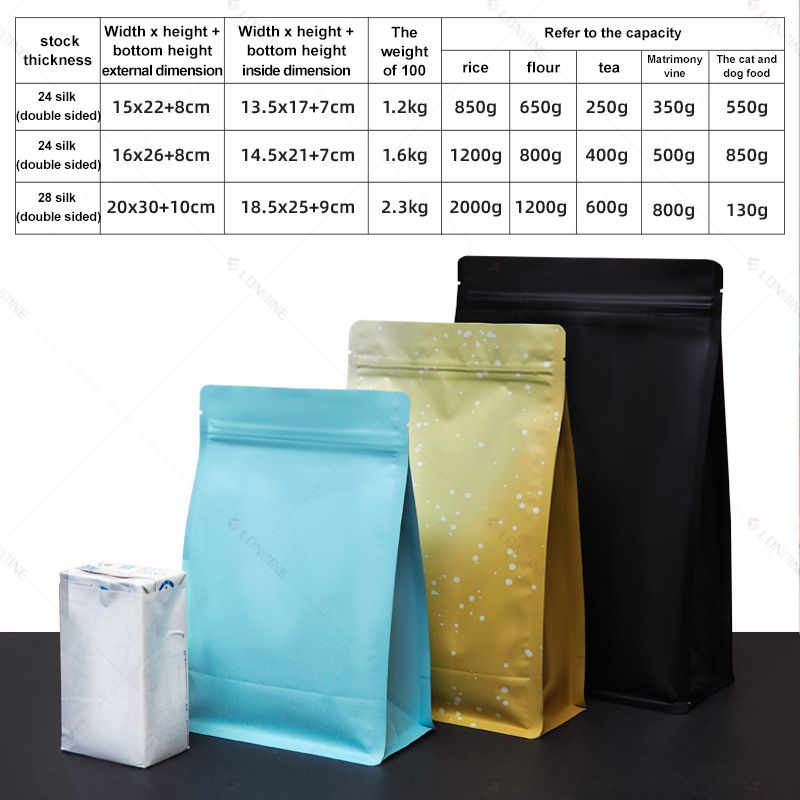
In today’s highly competitive global market, packaging is no longer just a protective layer for products. It has become a critical component of product strategy, brand identity, and supply chain efficiency. As businesses seek better ways to stand out, reduce costs, and meet changing consumer expectations, custom packaging has gained increasing attention across industries.
Many companies initially rely on standard or stock packaging because it is readily available and appears cost-effective. However, as product lines grow and distribution channels expand, limitations quickly emerge—poor product fit, insufficient protection, wasted material, and lack of brand differentiation. These challenges often lead businesses to explore custom packaging solutions.
1. What Is Custom Packaging?
1.1 Clear Definition of Custom Packaging
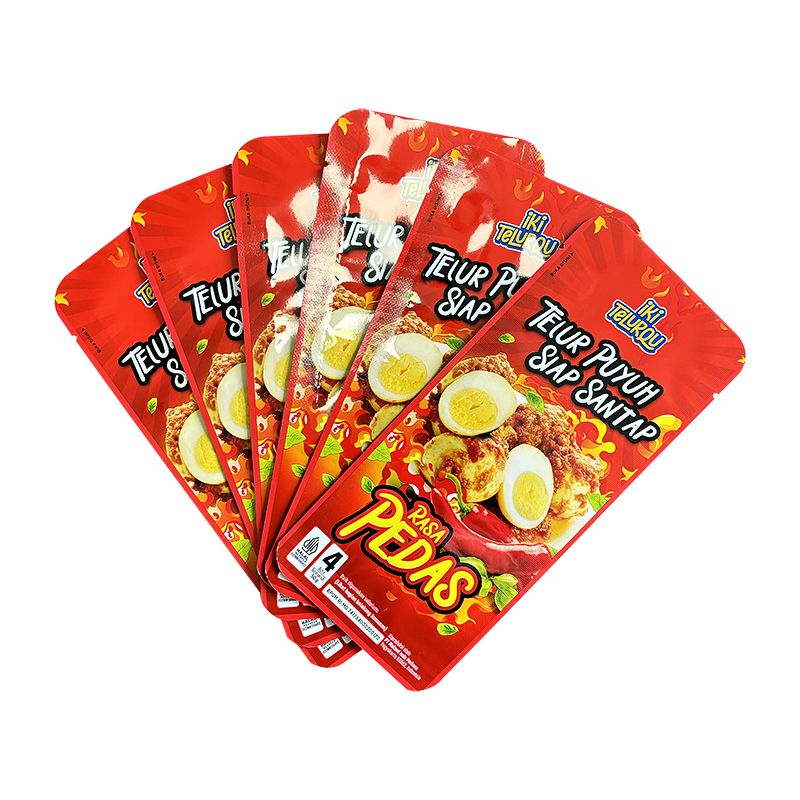
Custom packaging refers to packaging solutions that are specifically designed and manufactured to meet the unique requirements of a particular product, brand, or application. Unlike standard packaging, which is produced in fixed sizes and materials for general use, custom packaging is developed based on defined technical, functional, and commercial criteria.
At its core, custom packaging aligns packaging performance with product characteristics and business objectives. This includes considerations such as product size, weight, sensitivity, shelf life, transportation conditions, branding strategy, and regulatory compliance.
Custom packaging does not necessarily mean overly complex or expensive packaging. Rather, it means purpose-driven packaging—designed to work efficiently within a specific context instead of forcing products to adapt to generic formats.
1.2 What Makes Packaging “Custom”?
Packaging is considered “custom” when it is tailored in one or more of the following key dimensions:
Size and Structure
Custom packaging is produced to precise dimensions that fit the product correctly. Proper sizing reduces empty space, improves protection, and optimizes logistics efficiency.
Material Selection and Layer Structure
Materials are chosen based on actual performance requirements, such as moisture resistance, oxygen barrier, strength, or heat resistance. Multi-layer structures are often designed to balance protection and cost.
Functional Features
Custom packaging can include features like resealable zippers, tear notches, spouts, valves, or reinforced seals—elements that enhance usability and product integrity.
Printing and Branding
Graphics, colors, and surface finishes are customized to support brand recognition and communicate product information clearly and professionally.
Compliance and Industry Standards
Custom packaging can be designed to meet specific food safety, export, or industry regulations that standard packaging may not satisfy.
Together, these elements define packaging that is not just customized in appearance, but engineered to perform reliably throughout the product lifecycle.
2. How Custom Packaging Works: From Concept to Production
One common concern among buyers is that custom packaging is complicated or time-consuming. In reality, when handled by an experienced manufacturer, the process follows a structured and efficient workflow.
2.1 Product Analysis and Requirement Definition
The first step in custom packaging development is understanding the product itself. This includes analyzing physical characteristics such as size, weight, and form, as well as sensitivity to moisture, oxygen, light, or mechanical stress.
Equally important are external factors: storage conditions, transportation methods, shelf life expectations, and target markets. Clear definition at this stage helps avoid design changes later and ensures the packaging meets real-world demands.
2.2 Packaging Design and Structure Selection
Once requirements are defined, suitable packaging formats and structures are selected. This may involve choosing between flexible or rigid packaging, determining layer thickness, and selecting appropriate sealing methods.
Structural design plays a critical role in balancing protection, material usage, and cost. A well-designed structure provides sufficient strength without unnecessary material waste.
2.3 Material Selection and Performance Testing
Material selection is driven by performance requirements rather than assumptions. Barrier properties, mechanical strength, sealing performance, and compatibility with filling processes are evaluated.
In many cases, samples are produced and tested to confirm that the packaging performs as expected under actual conditions. This step reduces risk before mass production.
2.4 Printing, Sampling, and Mass Production
After structural and material approval, printing and final sampling are completed. Sampling allows buyers to confirm appearance, functionality, and overall quality.
Once approved, mass production follows standardized quality control procedures to ensure consistency and reliability. This structured approach makes custom packaging predictable rather than uncertain.
3. Main Types of Custom Packaging
Custom packaging can be broadly categorized based on structure and application. Understanding these types helps businesses identify suitable solutions more efficiently.
3.1 Custom Flexible Packaging
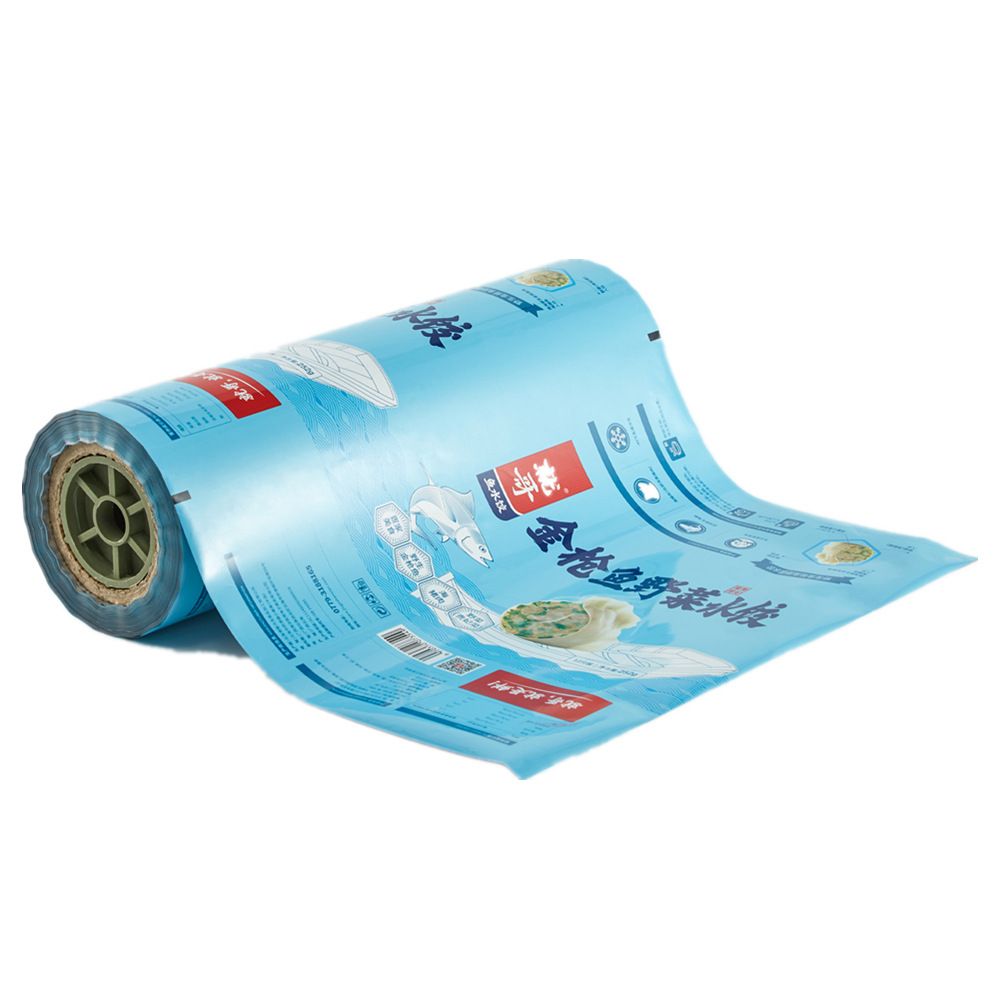
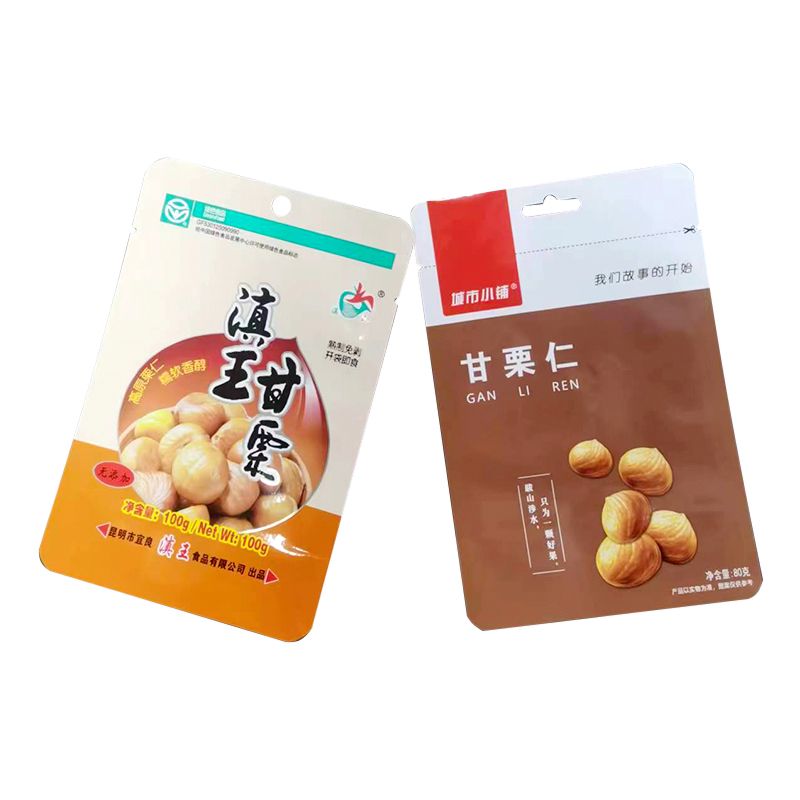
Custom flexible packaging is one of the most widely used forms of custom packaging today. It includes packaging made from flexible materials that adapt to product shape and volume.
Common formats include:
- Stand-up pouches
- Gusset bags
- Flat pouches
- Retort pouches
- Vacuum packaging bags
Flexible packaging is valued for its lightweight nature, material efficiency, and adaptability. It allows for extensive customization in size, structure, and functionality, making it suitable for a wide range of products, especially in food and consumer goods industries.
3.2 Custom Rigid Packaging
Rigid custom packaging includes containers and boxes made from materials such as plastic, paperboard, metal, or glass. These formats are typically chosen when high structural strength or premium presentation is required.
Customization in rigid packaging focuses on dimensions, wall thickness, and surface design. While rigid packaging often offers excellent protection, it generally involves higher material usage and transportation costs compared to flexible alternatives.
3.3 Custom Industrial and Bulk Packaging
Industrial and bulk packaging is designed for functionality, durability, and efficiency. It is commonly used for raw materials, agricultural products, or industrial goods.
Customization emphasizes load capacity, resistance to abrasion, and handling convenience. In these applications, performance and cost control are usually prioritized over appearance.
4. Materials Used in Custom Packaging
Material selection is one of the most critical decisions in custom packaging. The right materials determine not only product protection, but also shelf life, user experience, cost efficiency, and environmental impact. Unlike standard packaging, custom packaging allows materials to be selected based on actual performance needs rather than convenience.
4.1 Plastic Films Commonly Used in Custom Packaging
Plastic films are widely used in custom flexible packaging due to their versatility and performance range. Common materials include:
- PE (Polyethylene) – Known for flexibility, moisture resistance, and sealability. Often used as the inner layer in food packaging.
- PET (Polyester) – Offers excellent strength, dimensional stability, and print quality. Frequently used as the outer layer.
- BOPP – Provides clarity, stiffness, and good moisture barrier, commonly used for snacks and dry foods.
- CPP – Valued for heat resistance and sealing performance, often used in high-temperature or retort applications.
These films are rarely used alone. Instead, they are combined into multi-layer laminations, allowing packaging to achieve balanced performance in strength, barrier protection, and cost.
4.2 Paper and Paper-Based Materials
Paper-based materials, such as kraft paper, are commonly used when a natural or premium appearance is desired. On their own, paper materials have limited barrier performance, but when laminated with plastic films, they can provide both aesthetic appeal and functional protection.
Paper-based custom packaging is frequently used for:
- Coffee and tea packaging
- Dry food and powdered products
- Retail products requiring a sustainable image
The key advantage lies in visual differentiation and brand positioning, while material structure ensures necessary durability.
4.3 Aluminum Foil and High-Barrier Structures
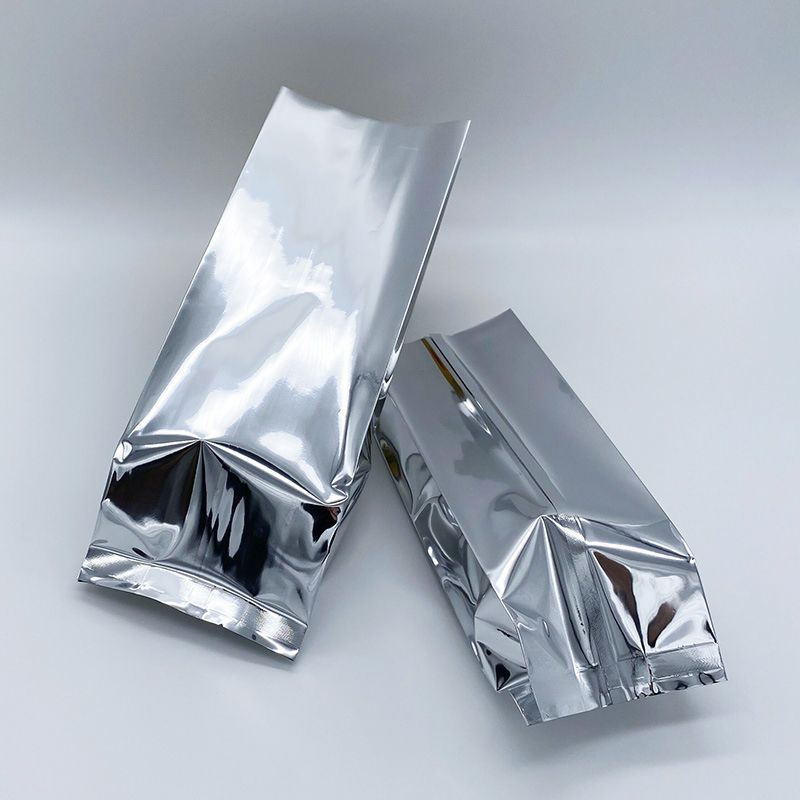
When products are sensitive to oxygen, light, or moisture, aluminum foil or high-barrier films are often required. These materials provide excellent protection and are commonly used in:
- Shelf-stable food products
- Retort packaging
- Pharmaceuticals and specialty goods
Although high-barrier materials may increase packaging cost, they often reduce product loss and extend shelf life, making them a cost-effective choice in many applications.
4.4 Sustainable and Eco-Friendly Materials
Sustainability is increasingly influencing custom packaging decisions. Businesses are exploring recyclable, mono-material, or downgauged structures to reduce environmental impact.
However, sustainability must be balanced with performance. Custom packaging allows manufacturers to reduce unnecessary layers while maintaining functionality—often achieving sustainability improvements without compromising product safety.
5. Uses of Custom Packaging by Industry
Custom packaging is not limited to a single market. Its flexibility allows it to be adapted across industries with different priorities.
5.1 Food and Beverage Industry
In food packaging, custom solutions address critical concerns such as shelf life, food safety, and convenience. Packaging structures are tailored based on product type, filling process, and storage conditions.
Applications include snacks, coffee, sauces, frozen foods, and ready meals. Proper material selection and sealing design help maintain freshness and reduce waste.
5.2 Pet Food Packaging
Pet food packaging often requires strong mechanical strength, moisture resistance, and reliable sealing. Custom packaging allows structures to be optimized for dry, semi-moist, or wet pet food products.
Features such as resealable closures and reinforced seals improve usability and reduce spoilage after opening.
5.3 Retail and Consumer Goods
In retail markets, packaging plays a direct role in purchasing decisions. Custom packaging helps products stand out on shelves, communicate value, and support brand identity.
Customization enables better control over size, appearance, and user interaction—key factors in competitive retail environments.
5.4 Industrial and Agricultural Products
For industrial and agricultural applications, custom packaging prioritizes durability and handling efficiency. Heavy-duty bags, lined sacks, and bulk packaging are designed to withstand transportation stress and environmental exposure.
In these sectors, functional performance and cost efficiency are more important than visual design.
6. Benefits of Custom Packaging for Businesses
From a business perspective, custom packaging delivers measurable advantages:
- Improved product protection, reducing damage and returns
- Optimized material usage, lowering transportation and storage costs
- Enhanced brand credibility, especially in competitive markets
- Better customer experience, through functional design
- Scalability, allowing packaging to evolve with product lines
These benefits often outweigh the initial investment required for customization.
7. Custom Packaging vs Standard Packaging
7.1 Key Differences
Standard packaging is designed for general use, while custom packaging is designed for specific applications. The key differences include:
- Fit and efficiency
- Material performance
- Branding capability
- Long-term cost structure
While standard packaging may appear cheaper upfront, it often leads to inefficiencies that increase total cost over time.
7.2 When Standard Packaging Is Not Enough
Standard packaging becomes inadequate when products require specific barrier properties, precise sizing, or professional brand presentation. In such cases, custom packaging provides solutions that generic formats cannot.
8. How to Choose the Right Custom Packaging Solution
Selecting the right custom packaging requires a clear understanding of both product requirements and business objectives.
8.1 Key Questions Buyers Should Ask
- What protection does the product require?
- How will it be stored and transported?
- What role does branding play?
- What is the expected order volume and budget?
Clear answers help streamline decision-making and avoid costly redesigns.
8.2 Working with a Custom Packaging Manufacturer
An experienced manufacturer provides technical guidance, material expertise, and production reliability. Effective communication and transparent processes are essential for successful custom packaging projects.
9. FAQ: Custom Packaging
What is custom packaging used for?
Custom packaging is used to protect products, improve brand presentation, and optimize logistics by tailoring packaging to specific requirements.
Is custom packaging expensive?
While initial costs may be higher than standard packaging, custom packaging often reduces long-term expenses through better efficiency and reduced waste.
How long does custom packaging production take?
Timelines vary based on complexity, materials, and order volume, but proper planning helps ensure predictable delivery.
Which industries benefit most from custom packaging?
Food, pet food, retail, and industrial sectors benefit significantly due to their diverse performance and branding needs.