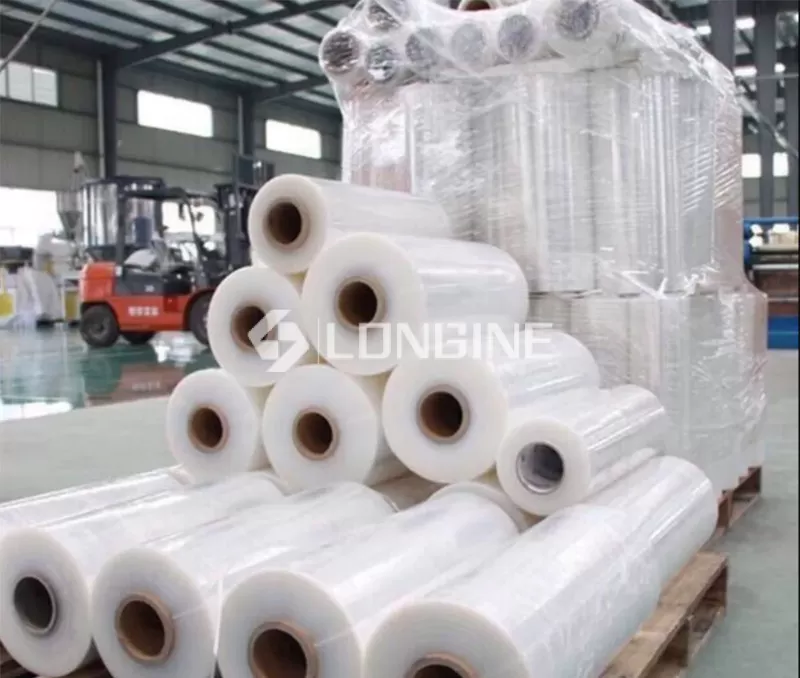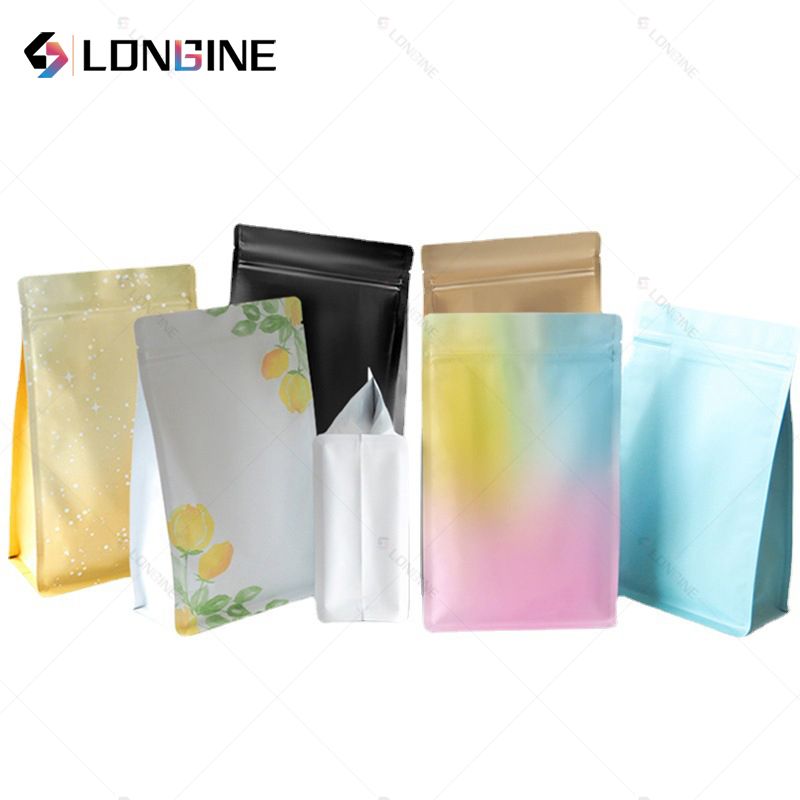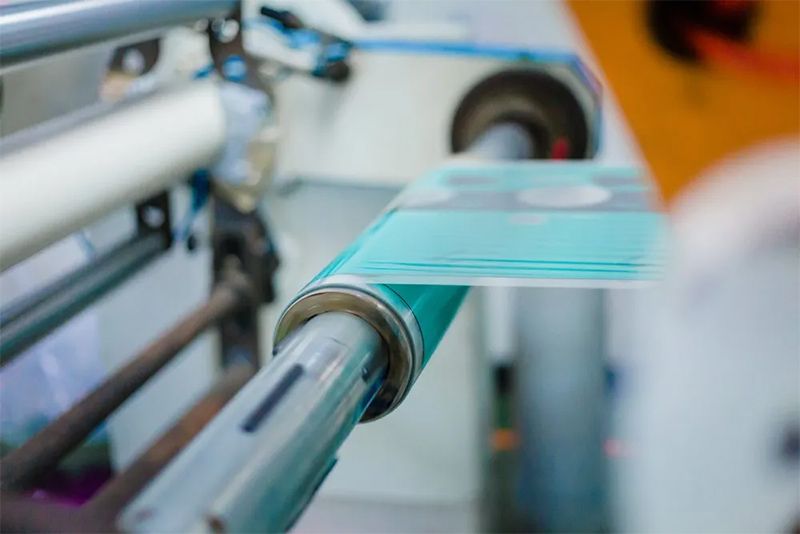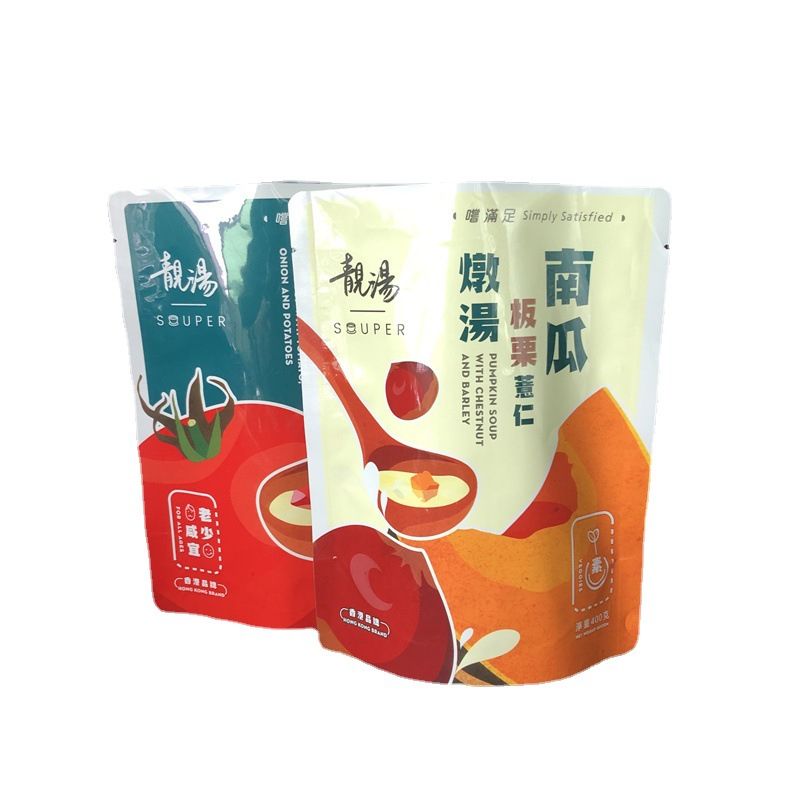
Film packaging plays a critical role in protecting and preserving products across industries — from food and beverages to pharmaceuticals and electronics. Its efficiency, barrier properties, and visual appeal directly affect shelf life, product safety, and brand reputation. Yet even the most advanced film packaging systems are prone to recurring technical issues that can silently drive up production costs and waste.
When a roll of film fails to seal correctly or starts to wrinkle during operation, the impact can be immediate: production stops, product rejection increases, and profitability suffers. In severe cases, undetected packaging defects can lead to product recalls, contamination, or regulatory non-compliance.

Problem #1: Wrinkling and Uneven Film Tension
How to Recognize It
Wrinkling is among the most visible and frequent problems in film packaging. It typically appears as irregular creases or ripples on the film surface — often near the seal area, registration marks, or after the film passes through rollers. Wrinkling not only makes the package look unprofessional but can also lead to sealing defects, label misalignment, or uneven printing.
Root Causes
Wrinkles form when film tension or alignment becomes uneven during unwinding, guiding, or sealing. Common underlying causes include:
- Incorrect web tension — Either too tight or too loose tension can distort thin films.
- Misaligned rollers or shafts — Non-parallel rollers cause lateral shifting of the film.
- Inconsistent cooling — After heat application, rapid cooling or insufficient chill rolls can induce warping.
- Improper nip pressure or roller wear — Unequal surface pressure can stretch or compress one side of the film.
- Film quality variation — Uneven thickness or poor winding during film production.
How to Fix It
- Recalibrate film tension using the manufacturer’s recommended setpoint and monitor via a tension gauge.
- Inspect guide rollers and dancer arms to ensure proper alignment and smooth rotation.
- Clean rollers regularly to remove adhesive buildup or dust that can alter web tracking.
- Adjust cooling air or chill roll temperature to avoid differential shrinkage.
- Check film roll orientation — Always unwind according to the arrow direction to prevent curl memory.
Prevention Tips
- Install automatic tension control systems for high-speed lines.
- Use anti-wrinkle rollers or spreader rollers on machines with large film widths.
- Schedule routine roller alignment inspections every quarter.
- Choose high-quality films with certified thickness tolerance.
By maintaining even tension and clean roller surfaces, most wrinkling problems can be permanently eliminated before they affect downstream sealing or labeling stages.
Problem #2: Seal Defects and Leakage
How to Recognize It
Seal integrity is the backbone of effective film packaging. Seal defects can appear as incomplete seals, pinholes, weak joints, or channels that leak air or moisture. In food or medical applications, even microscopic leaks can compromise product safety or cause spoilage.
Typical symptoms include:
- Visible gaps or voids along the seal line
- Packages losing vacuum or puffing up during storage
- Irregular or scorched seal marks
- Reduced peel strength in destructive testing
Root Causes
Seal defects are multi-factorial and can arise from a combination of mechanical, thermal, or material-related factors:
- Improper sealing temperature or dwell time — Too low causes weak seals; too high melts the inner layer.
- Contamination on sealing jaws — Dust, oil, or product residue prevents uniform heat transfer.
- Worn or damaged sealing bars — Deformation or carbon buildup reduces contact pressure.
- Incompatible materials — Certain film laminations are not heat-sealable to each other.
- Pressure inconsistency — Uneven sealing jaw force leads to patchy bonding.
How to Fix It
- Verify sealing parameters — Confirm that the actual temperature, pressure, and dwell time match your validated recipe.
- Clean sealing bars daily using non-abrasive wipes and solvent approved for food-contact equipment.
- Inspect sealing jaws for wear or warping and replace them as part of preventive maintenance.
- Check material compatibility by performing a small-scale sealability test before production.
- Monitor sealing force using pressure-sensitive film or sensor calibration tools.
Prevention Tips
- Implement automated temperature control with real-time monitoring to avoid drift.
- Conduct seal strength testing (ASTM F88/F2824) at least once per shift.
- Train operators to recognize early visual indicators such as glossy patches or void lines.
- Store films in a clean, temperature-stable environment to prevent surface contamination.
Ensuring consistent seal quality is one of the most cost-effective ways to reduce product waste and avoid customer complaints. By maintaining calibration and proper hygiene of sealing components, production lines can achieve over 99% seal reliability.
Problem #3: Delamination or Layer Separation
How to Recognize It
Delamination occurs when the layers within a laminated film — typically PET, PE, nylon, or aluminum — begin to separate. This can present as visible bubbles, blistering, or loss of adhesion between layers. In some cases, printed designs or barrier layers peel away when the package is flexed or sealed.
Root Causes
Delamination is often the result of incomplete bonding during lamination or post-process degradation. The most common causes include:
- Incorrect lamination parameters (temperature, nip pressure, or speed)
- Insufficient adhesive cure time before film conversion or sealing
- Moisture or solvent retention in the adhesive layer
- Poor adhesive-to-substrate compatibility
- Improper storage (high humidity or temperature variations) causing hydrolysis of adhesive bonds
How to Fix It
- Check lamination temperature and nip pressure against supplier specifications.
- Allow full adhesive curing time (typically 48–72 hours) before slitting or sealing.
- Perform peel strength testing (ASTM F904) to quantify adhesion loss.
- Re-evaluate adhesive selection — switch to a system compatible with both substrates and product type.
- Dry films properly before lamination to eliminate solvent or moisture residues.
Prevention Tips
- Store laminated rolls in controlled humidity (below 50%) and temperature (below 25°C).
- Use a two-component polyurethane adhesive for better cross-linking and solvent resistance.
- Include incoming QC for adhesives — verify solids content and mix ratio.
- Monitor film tension during lamination to prevent stress-induced separation.
Delamination can be subtle during production but catastrophic in the market. Once a film starts to peel, its barrier properties and aesthetics collapse, undermining both product protection and brand credibility. Preventive control of lamination parameters and adhesive quality remains the most reliable defense.
Problem #4: Punctures and Mechanical Damage
How to Recognize It
Punctures and tears in film packaging are among the most frequent causes of rejected lots, especially in automated high-speed lines. They usually manifest as tiny holes, tears near corners or edges, or micro-fractures that compromise product protection. While the defect might look minor, even a small puncture can destroy the integrity of the barrier layer — allowing oxygen, moisture, or contaminants to enter.
Root Causes
Mechanical damage may occur at any stage of the process — from film unwinding to sealing and product loading. Common root causes include:
- Sharp product edges or irregular shapes that stress the film during forming.
- Improper forming or vacuum pressure on thermoforming lines.
- Excessive sealing pressure or misaligned jaws that pierce or cut the film.
- Contaminated or worn rollers causing abrasion during film transport.
- Incorrect film selection — films with low puncture resistance used for heavy or rigid products.
How to Fix It
- Inspect product contact points and round off any sharp edges or corners.
- Optimize forming temperature and vacuum settings to avoid overstretching the film.
- Replace damaged rollers or sealing elements that may scratch or puncture the web.
- Select higher-gauge or multi-layer films with enhanced mechanical resistance (e.g., PET/PE/EVOH).
- Use protective inserts or secondary wraps for sharp-edged products such as frozen foods or hardware parts.
Prevention Tips
- Implement inline vision systems to detect punctures early.
- Run film tensile and puncture tests per ASTM D3420 to ensure mechanical durability.
- Work with your film supplier to tailor thickness and composition for your product’s mechanical profile.
- Maintain consistent line speed to minimize stress variation.
Proper film selection and equipment calibration prevent over 80% of puncture-related losses in film packaging. Proactive testing and real-time inspection tools can drastically reduce defect rates and downtime.
Problem #5: Contamination and Foreign Particles
How to Recognize It
Contamination occurs when unwanted materials — such as dust, hair, product residues, or oils — become trapped within or on the surface of the film. These particles interfere with sealing, reduce transparency, and can lead to product rejection during inspection. In regulated sectors like food, cosmetics, or pharmaceuticals, contamination is not just a quality issue but a compliance risk.
Root Causes
- Poor storage conditions — open rolls exposed to air, humidity, or production dust.
- Improper handling — touching film surfaces with bare hands or unclean gloves.
- Equipment residue — leftover adhesives, lubricants, or inks from changeovers.
- Static electricity — attracting airborne dust onto the film surface.
- Packaging in unfiltered environments without positive air pressure or filtration.
How to Fix It
- Inspect storage and handling procedures — always store films in sealed packaging when not in use.
- Clean all rollers and conveyors during every shift change, using lint-free cloths and food-safe solvents.
- Install anti-static bars or ionizing blowers to neutralize electrostatic charge.
- Use cleanroom-grade filters or laminar airflow systems in critical areas.
- Train operators on contamination control protocols and GMP practices.
Prevention Tips
- Designate “film-safe zones” near packaging machines to limit contamination sources.
- Require protective coverings for film rolls and partially used materials.
- Conduct swab tests and visual inspections between production runs.
- Audit film suppliers regularly to verify cleanliness and surface finish quality.
Preventing contamination is a continuous process — not a one-time fix. By combining operator awareness, clean facility design, and strict hygiene standards, film packaging lines can achieve the consistent product appearance and seal reliability customers expect.
Integrated Troubleshooting Framework
When film packaging issues arise, treating symptoms alone rarely produces lasting results. The key to long-term reliability is building a root cause–driven troubleshooting framework that combines technical, operational, and quality management aspects.
- Centralize defect data — Record every film-related defect by category, frequency, and machine.
- Trend analysis — Use SPC (Statistical Process Control) tools to identify recurring conditions like tension drift or temperature fluctuation.
- Cross-functional review — Involve operators, maintenance, and QA teams in weekly defect analysis meetings.
- Supplier collaboration — Share defect trends with film suppliers to refine material properties.
- Document corrective actions — Maintain a CAPA (Corrective and Preventive Action) system to ensure accountability.
This structured approach transforms troubleshooting from reactive firefighting into proactive process improvement, improving OEE (Overall Equipment Effectiveness) and reducing material waste across production shifts.
Preventive Maintenance and Process Optimization
Proactive maintenance is the backbone of efficient film packaging operations. A well-structured maintenance plan ensures machines, sealing systems, and conveyors remain in optimal condition — preventing most film-related failures.
Key Maintenance Practices
- Daily: Clean sealing bars, rollers, and cutting blades; verify sealing temperature and tension settings.
- Weekly: Inspect drive belts, film unwind brakes, and tension sensors for wear.
- Monthly: Calibrate temperature sensors, alignment systems, and pneumatic pressure controls.
- Quarterly: Replace worn rollers, bearings, and sealing elements; check all film path alignment points.
Process Optimization Tips
- Switch to servo-driven tension control systems for precise web handling.
- Integrate vision-based quality monitoring to detect wrinkles, voids, or misalignment in real time.
- Implement lean maintenance schedules — plan downtime strategically to minimize production impact.
- Continuously train operators on parameter verification and proper cleaning procedures.
Effective maintenance not only prevents unplanned stops but also extends the lifespan of both films and packaging machinery. A well-maintained film packaging system can operate with over 95% uptime and minimal defect ratios.
FAQs about Film Packaging Problems
Q1: What’s the most common cause of repeated film packaging defects?
Inconsistent film tension and temperature drift account for the majority of recurring issues. These can be solved by regular calibration and improved operator training.
Q2: How often should I perform seal strength testing?
At least once per production shift or every material change. Consistent testing ensures seal integrity remains stable throughout production.
Q3: Can the same film work on different packaging lines?
Not always. Each packaging machine has unique sealing pressure, dwell time, and forming temperature requirements — film compatibility must be verified for each system.
Q4: How do I reduce waste when troubleshooting film problems?
Always isolate and test small sample runs first before applying changes to full-scale production. Use documented baseline parameters to restore stable operation quickly.