In today’s packaging landscape, the term “recyclable” has become a badge of responsibility. Food manufacturers, cosmetic brands, and household product producers are all turning to recyclable pouches as a way to balance product safety with environmental responsibility. These flexible packaging solutions promise reduced material waste, lighter transportation loads, and lower carbon footprints — but how true are these claims?
While recyclable pouches undoubtedly mark a step toward sustainability, not all are created equal. Misconceptions about materials, recycling systems, and actual end-of-life outcomes have led to confusion among both consumers and manufacturers. To truly understand their environmental impact, we must separate myths from facts — and look at recyclable pouches through the lens of lifecycle analysis and scientific data.
1. What Are Recyclable Pouches?
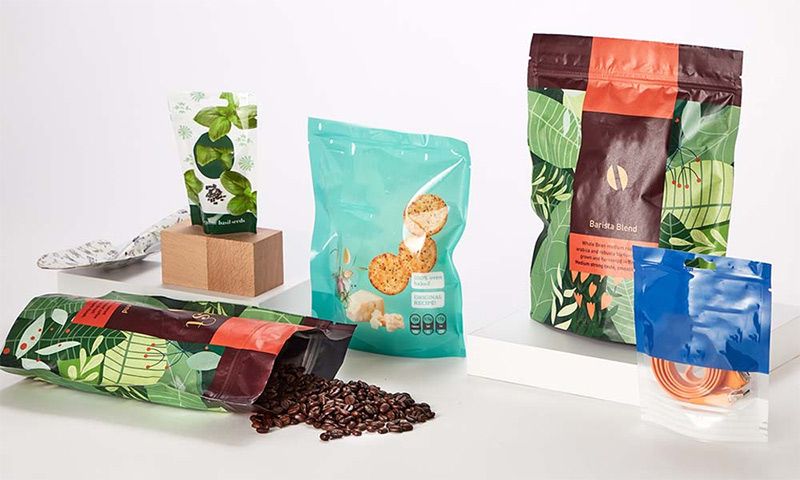
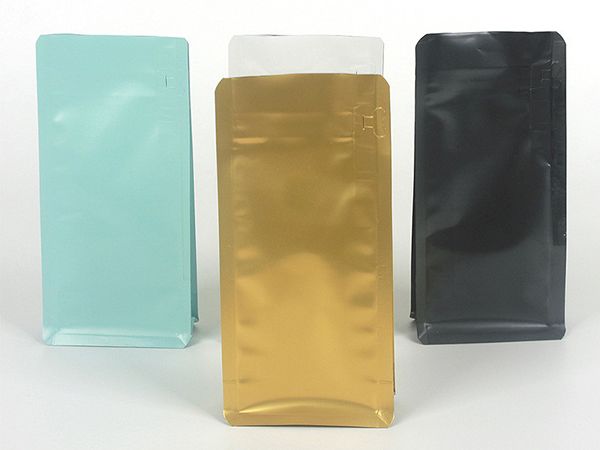
Recyclable pouches are flexible packaging products designed to be processed through existing recycling streams — primarily those that handle plastic films. Unlike traditional multi-layer packaging made from mixed materials such as PET, aluminum, and PE (which are nearly impossible to separate), recyclable pouches typically use mono-material structures.
The most common recyclable pouches are made from:
- Polyethylene (PE) – often used in food and beverage packaging; compatible with existing recycling systems.
- Polypropylene (PP) – provides better heat resistance, suitable for sterilized or hot-fill applications.
- Recyclable laminates – multi-layer films designed with compatible polymers to maintain barrier performance while allowing recyclability.
These materials aim to achieve three primary goals:
- Reduce waste volume compared to rigid containers.
- Lower carbon emissions from production and logistics.
- Enable circular reuse through mechanical or chemical recycling.
However, the “recyclable” label depends heavily on regional infrastructure. In areas without suitable recycling facilities, even the most technically recyclable pouch might end up in landfills or incineration.
2. The Sustainability Promise — Why Pouches Are Gaining Popularity
Recyclable pouches have rapidly become a preferred packaging solution in the food, beverage, and personal care industries. Their popularity can be attributed to three key sustainability drivers:
(a) Material Efficiency
Pouches use up to 70% less material than rigid packaging alternatives like glass jars or aluminum cans. This not only conserves resources but also cuts down on production energy and transportation emissions.
(b) Lightweight Logistics
Because flexible pouches are lightweight and compact, they require less fuel for transport, reducing the overall carbon footprint per product unit. A truckload of pouches can carry far more packaged goods compared to the same truckload of rigid containers.
(c) Reduced Food Waste
Advanced pouch technologies, such as barrier films and retortable designs, extend shelf life and protect against oxygen, moisture, and light. This preservation capability directly contributes to reducing global food waste — a major sustainability challenge.
Together, these advantages make recyclable pouches an appealing option for companies looking to improve environmental performance without sacrificing functionality.
3. Myth #1: “All Flexible Pouches Are Recyclable”
This is one of the most common misconceptions. While many pouches are technically recyclable in theory, in practice, most are not due to the use of mixed materials or lack of suitable recycling infrastructure.
Fact Check:
Only mono-material pouches — typically made entirely from PE or PP — can be easily processed in current recycling streams. Traditional pouches composed of aluminum foil layers or PET/PE laminates are non-recyclable because separating these layers is economically and technologically difficult.
Industry Insight:
According to the Flexible Packaging Association (FPA),less than 15% of flexible packaging worldwide is currently recyclable at scale. This gap highlights the need for improved design-for-recycling principles and better collection systems.
In short:
“Recyclable” depends not only on the material, but also on where and how the pouch is disposed of.
4. Myth #2: “Recyclable Pouches Always Have a Lower Carbon Footprint”
Another widespread assumption is that recyclable pouches automatically result in lower greenhouse gas emissions than other packaging forms. While this can be true, it’s not universal.
Fact Check:
Carbon footprint depends on several variables:
- Energy used in film production and lamination
- Type of barrier materials (EVOH, metallized layers, etc.)
- End-of-life scenario (recycling vs. landfill vs. incineration)
For example, a mono-PE pouch recycled in a closed-loop system indeed offers a lower carbon impact compared to glass or aluminum packaging. However, a multi-layer pouch disposed of in landfills can have similar or higher carbon emissions due to methane generation and waste management inefficiency.
Life Cycle Analysis Example:
A 2023 European Plastics Association study found that a 100g dry food packed in a recyclable PE pouch emitted 35–50% less CO₂ than the same product in a rigid PET container — only when properly recycled.
If not recycled, the difference dropped to less than 10%.
Conclusion:
The environmental advantage of recyclable pouches depends on both design and the actual recycling rate achieved in real life.
5. The Role of Design for Recycling (DfR)
To make recyclable pouches truly sustainable, packaging engineers follow Design for Recycling (DfR) principles. This design philosophy ensures that packaging materials are not only functional but also recoverable at the end of their life cycle.
Key DfR Guidelines:
- Use mono-material structures whenever possible (e.g., all-PE or all-PP).
- Avoid metallized layers or incompatible adhesives.
- Select compatible inks and coatings that don’t contaminate recycling streams.
- Design labels and zippers using the same polymer base for easy separation.
Leading companies like Dow, Amcor, and Mondi have released certified recyclable pouch films that meet circular economy standards under programs like How2Recycle and Ceflex.
When manufacturers implement these DfR principles, recyclable pouches become more than a marketing claim — they represent a genuine step toward a sustainable packaging ecosystem.
6. Myth #3: “Recycling Pouches Is Simple and Widely Available”
Despite technological advances, the collection and processing of flexible packaging remain one of the biggest bottlenecks in achieving true circularity.
Fact Check:
Most municipal recycling systems are optimized for rigid plastics (like PET bottles and HDPE containers). Flexible films and pouches, however, clog sorting machines and are often excluded from curbside collection.
In many countries, recyclable pouches must be taken to specialized drop-off centers or collected through private recycling programs (e.g., Terracycle).
Real-World Challenge:
Even when consumers are aware of recycling options, contamination (food residue, mixed films, or incompatible laminates) can render the entire batch unusable.
Key takeaway:
The recyclability of pouches depends on systemic cooperation — from manufacturers and recyclers to consumers and policymakers.
7. Recyclable Pouches vs. Traditional Packaging — A Lifecycle Comparison
When evaluating the environmental performance of recyclable pouches, it’s essential to look beyond surface-level claims and focus on life cycle analysis (LCA)— a scientific method used to measure total environmental impact from raw material extraction to disposal.
a. Energy and Resource Efficiency
Traditional packaging such as glass jars, metal cans, and rigid PET containers typically require 3–5 times more raw material and energy during production than flexible pouches.
- Producing a glass container involves high-temperature furnaces that emit large amounts of CO₂.
- Metal cans need mining, smelting, and coating processes that consume vast energy resources.
In contrast, recyclable pouches use thin polymer films that can be extruded at lower temperatures and require fewer resources per unit of packaged product. This makes them more efficient at the manufacturing stage.
b. Transportation and Storage
Because pouches are lightweight and compact, they optimize logistics efficiency:
- Up to 30% lower transportation fuel use
- 60–70% smaller storage volume
- Reduced secondary packaging (cartons or fillers)
A study by the Flexible Packaging Association found that switching from rigid plastic tubs to flexible pouches for sauces reduced total transportation emissions by up to 70%.
c. End-of-Life Scenarios
However, the story changes at the waste management stage.
Rigid plastics like PET bottles often enjoy higher recycling rates (over 50% in some regions), while flexible pouches average less than 15% due to limited collection infrastructure.
This gap highlights the need for investment in film recycling technology and circular material recovery systems to make pouches as sustainable in practice as they are in theory.
Conclusion:
From a cradle-to-gate perspective, recyclable pouches are more resource-efficient. But achieving true environmental benefit requires closing the recycling loop at the end-of-life stage.
8. Myths vs. Facts: The Reality Behind Environmental Claims
| Myth | Fact |
|---|---|
| Recyclable pouches are always eco-friendly. | Only when properly collected and recycled; otherwise, benefits diminish. |
| Multi-layer packaging can be recycled easily. | Only mono-material or compatible layers are suitable for recycling. |
| All recyclable pouches perform the same in storage and sealing. | Material differences (PE, PP, EVOH) affect performance and recyclability. |
| Recycling infrastructure exists everywhere. | Most countries lack flexible film recycling systems. |
| Compostable equals recyclable. | Compostable materials often contaminate recycling streams and need separate disposal. |
In short: The environmental impact of recyclable pouches depends on how they are designed, used, and disposed of — not just the label printed on the package.
9. Real Environmental Data — Quantifying the Impact
| Metric | Recyclable Pouch (Mono-PE) | Rigid PET Jar | Aluminum Can |
|---|---|---|---|
| Material use (per 100g product) | 7–12g | 40–60g | 35–50g |
| Production energy (MJ/kg) | 40–45 | 75–80 | 150–180 |
| Transport CO₂ emissions | Low | Moderate | High |
| Recycling rate (global avg.) | 10–15% | 50–60% | 70–75% |
| End-of-life impact | Moderate (depends on system) | Moderate | High energy recovery but high emissions |
These figures, based on recent Ellen MacArthur Foundation and Plastics Europe data, show that recyclable pouches outperform traditional packaging in material and transport efficiency, but still lag behind in recycling accessibility.
To maximize sustainability impact, manufacturers must combine smart material selection, improved collection systems, and consumer education.
10. FAQs — Recyclable Pouches in Practice
Q1: Can all recyclable pouches go into normal plastic recycling bins?
Not always. Many curbside systems reject flexible packaging. Check local guidelines — some regions require drop-off at designated collection points.
Q2: Are recyclable pouches safe for food sterilization?
Yes, PP-based and retort-grade PE pouches can withstand high-temperature sterilization, commonly used in ready-to-eat meals and sauces.
Q3: How can brands verify if their pouch is truly recyclable?
Manufacturers can apply for certifications such as How2Recycle, Ceflex, or RecyClass, which test film compatibility with recycling systems.
Q4: What’s the difference between recyclable and biodegradable pouches?
Recyclable pouches can be reprocessed into new plastic products; biodegradable ones decompose naturally but usually require industrial composting facilities.
Q5: What’s the biggest barrier to large-scale recycling of flexible packaging?
The main obstacles are collection system limitations, consumer confusion, and contamination from mixed materials.