In the world of coffee production, discussions about “quality” typically center on bean variety, processing methods, roasting profiles, brewing techniques, and water chemistry. Yet one of the most influential—and often overlooked—factors is what happens after the beans leave the roastery. At this stage, packaging becomes a decisive variable that can either preserve or degrade the delicate flavor compounds that define good coffee.
Coffee is chemically unstable. It contains hundreds of volatile aromatic compounds and reactive oils that can easily break down when exposed to air, moisture, light, or heat. Without adequate protection, even exceptional coffee can lose its sensory qualities long before it reaches the consumer.
1. What Happens to Coffee After Roasting? The Highly Unstable State of Fresh Coffee
Understanding packaging’s role begins with understanding what coffee goes through immediately after roasting.
1.1 Degassing: The Release of CO₂ and the Start of Flavor Transformation
Once coffee beans are roasted, they begin to release carbon dioxide in a process known as degassing. This gas affects freshness in several ways:
- Aroma transport: CO₂ carries many volatile aromatic compounds. When gas escapes, aroma compounds escape with it.
- Oxidation barrier: The presence of CO₂ within the bean initially helps slow oxygen penetration.
- Brewing dynamics: Too much trapped CO₂ can cause uneven extraction, while too little usually indicates staling.
During the first several days after roasting, beans degas rapidly; afterwards, the rate steadily declines. Without the right packaging environment, this gas release accelerates the loss of desirable aromatics.
1.2 Oxidation: The Greatest Enemy of Coffee Flavor
Oxygen exposure is the main driver of coffee deterioration. It reacts with:
- Lipids, creating rancid or stale notes
- Aromatic compounds, stripping sweetness, fruitiness, and complexity
- Cell structures, reducing solubility and altering extraction behavior
Oxidation starts the moment roasted coffee contacts air, and its effects accumulate quickly. This is why packaging must be designed to minimize oxygen exposure throughout transport and storage.
1.3 Moisture Absorption: Changes in Texture and Solubility
Roasted coffee is hygroscopic, meaning it absorbs moisture from the surrounding environment. Even slight humidity changes can cause:
- Clumping and texture changes
- Inconsistent grinding behavior
- Uneven extraction
- Damp, muted flavor notes
Packaging must therefore create a moisture barrier that protects coffee from variable climates, especially during long-distance shipping.
1.4 Aroma Loss: The Decline of Volatile Compounds
More than 800 aromatic molecules contribute to coffee’s sensory complexity. These compounds are extremely volatile and degrade quickly when exposed to air, light, or heat. As aroma escapes, coffee tastes flatter and less expressive.
2. External Factors That Threaten Coffee Freshness During Storage and Transport
Even when coffee leaves the roastery in prime condition, it faces multiple environmental threats before it reaches the consumer. Packaging acts as the first line of defense against these variables.
2.1 Oxygen Exposure Throughout the Supply Chain
Oxygen infiltration can occur at many points:
- During packaging if the environment is not controlled
- Through microscopic leaks during transport
- From repeated opening of consumer-sized bags
Even a small amount of oxygen entering the bag over time can significantly impact shelf life. Effective packaging must minimize both initial oxygen presence and long-term oxygen ingress.
2.2 Moisture Fluctuations and Humidity Challenges
Coffee transported across regions with different climates—dry warehouses, humid ports, air-conditioned retail stores—faces constant humidity shifts. These conditions may cause:
- Moisture absorption leading to flavor dullness
- Mold growth in extreme cases
- Inconsistent roasting results when green coffee is affected
- Variable brewing performance for roasted coffee
Packaging must maintain internal stability regardless of external humidity.
2.3 Heat Exposure: Accelerating Aging and Flavor Breakdown
Heat is a catalyst for chemical reactions, especially oxidation. During shipping, coffee may be exposed to elevated temperatures caused by:
- Direct sunlight
- Non-climate-controlled warehouses
- Long periods in shipping containers
- Warm retail environments
Higher temperatures accelerate staling, making thermal resistance a desirable characteristic in packaging materials.
2.4 Light Exposure: UV-Driven Degradation
Light, particularly UV radiation, can degrade coffee by:
- Breaking down aromatic compounds
- Accelerating lipid oxidation
- Causing surface discoloration in beans or grounds
Transparent or thin packaging offers minimal protection, making light-blocking properties an important design consideration.
2.5 Contamination Risks
During transport and storage, coffee may be exposed to external contaminants:
- Ambient odors from other goods
- Dust and fine particles
- Residual chemicals from shipping environments
Because coffee easily absorbs foreign odors, packaging must prevent external contamination throughout the supply chain.
3. How Packaging Design Directly Influences Coffee Flavor and Freshness
To understand how packaging shapes quality, it’s essential to examine the functions and mechanisms that protect coffee from environmental stressors.
3.1 Barrier Materials: The Foundation of Flavor Protection
The core of any coffee package is its barrier structure. High-performance materials form a protective shield against oxygen, moisture, and light. Effective barrier layers slow the transfer of gases and vapor into the bag, helping maintain chemical stability inside.
When barrier integrity is optimized, coffee’s volatile aromas stay trapped longer, oxidation slows down, and the coffee retains its original sensory profile for a longer period.
3.2 Degassing Valves: Managing CO₂ Without Letting Oxygen In
Freshly roasted coffee releases CO₂ for days or even weeks. Without a degassing mechanism, built-up pressure can:
- Cause bags to expand or burst
- Force roasters to wait longer before sealing coffee
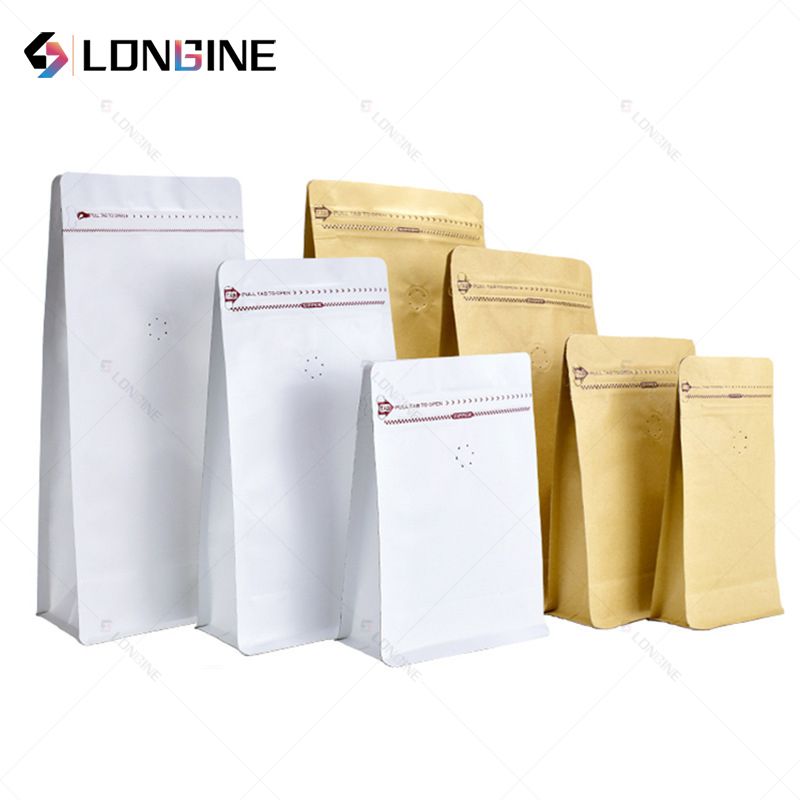
A one-way degassing valve allows CO₂ to escape while preventing oxygen from entering. This balance helps maintain shelf life while protecting coffee from oxidation.
3.3 Light-Blocking Properties: Preventing UV and Photo-Oxidation
Opaque materials or multi-layer structures help prevent light from reaching the beans. Photo-oxidation can cause flavor breakdown even when bags remain sealed, making light protection especially important for retailers who display coffee under direct lighting.
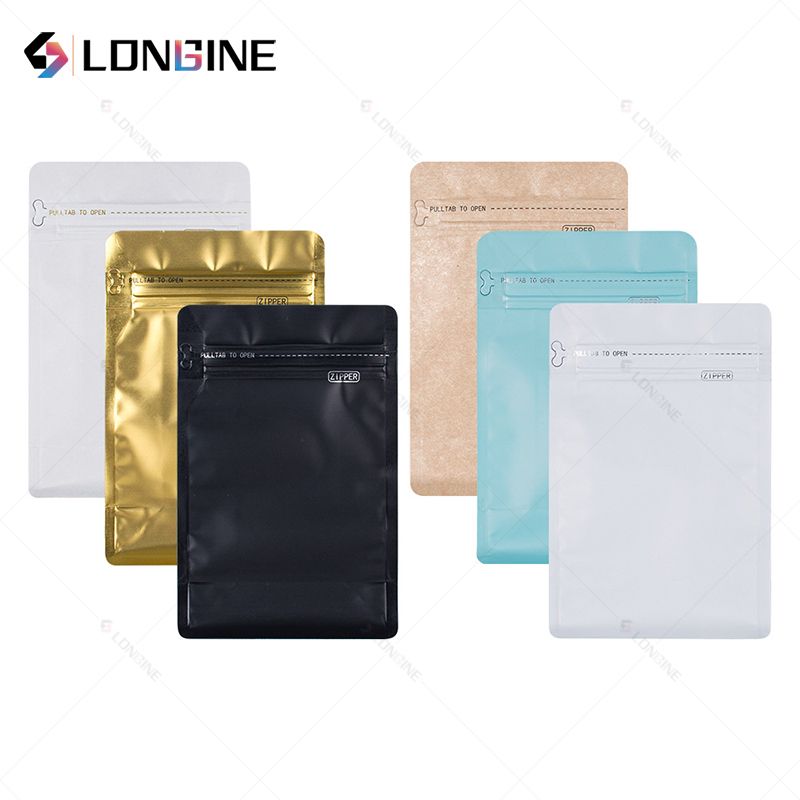
3.4 Resealability: Protecting Coffee After the First Opening
For consumers, freshness loss accelerates the moment a bag is opened. Resealable features help slow this process by:
- Reducing daily oxygen exposure
- Limiting moisture absorption
- Containing aromas for longer
Well-designed closures therefore extend the usable life of coffee at home or in cafés.
4. How Packaging Influences the Quality of Whole Beans vs. Ground Coffee
Packaging affects whole beans and ground coffee differently because the rate of chemical change varies significantly between the two forms.
4.1 Whole Beans: More Stable but Still Vulnerable
Whole beans retain their flavor longer because:
- Their surface area is smaller
- Oils and aromatics remain largely inside the bean structure
- Degassing occurs more slowly
- Oxygen absorption happens at a reduced rate
Even so, whole beans are not immune to degradation. Over time, oxygen still penetrates the bean’s porous structure, and aromatics evaporate gradually. Packaging plays an essential role in slowing these processes.
4.2 Ground Coffee: Rapid Aroma Loss and Oxidation
Grinding dramatically increases the coffee’s surface area, exposing internal compounds to the environment. As a result:
- Oxidation accelerates
- Aromas disperse more rapidly
- Moisture absorption increases
- Volatile oils break down faster
Ground coffee can lose much of its aromatic intensity within minutes, which is why packaging must offer strong barriers and airtight sealing. Many consumers underestimate how quickly ground coffee degrades, making packaging even more crucial for preserving quality.
5. The Broader Implications of Packaging for Coffee Producers and Retailers
Packaging choices affect the entire value chain, not just the final sensory experience.
5.1 Extended Shelf Life Supports Global Distribution
As coffee markets expand internationally, longer shelf stability becomes essential. Effective packaging protects coffee during long shipping times and reduces the risk of unsellable or downgraded inventory.
5.2 Consistent Quality Builds Consumer Trust
When customers repeatedly experience fresh, flavorful coffee from the same brand, it reinforces reliability and strengthens long-term loyalty. Packaging is an important contributor to this consistency.
5.3 Reducing Waste Through Better Packaging Performance
Poor packaging can lead to product waste due to:
- Flavor degradation
- Moisture damage
- Odor contamination
Better protection reduces the environmental and financial costs associated with discard or reprocessing.
6. Conclusion: Packaging Is a Core Component of Coffee Quality, Not an Accessory
So, does packaging really affect coffee quality? The evidence is clear: yes, significantly.
Coffee’s delicate chemistry makes it highly vulnerable to oxidation, moisture, light, temperature fluctuations, and physical contamination. Packaging acts as a crucial barrier, preserving the sensory qualities that roasters work hard to achieve. From degassing valves to barrier materials to light protection and resealability, each design component plays a role in determining how the coffee will taste days, weeks, or months later.
Ultimately, packaging is not just a finishing step; it is a critical safeguard of flavor, freshness, and overall product integrity. For roasters, retailers, and consumers alike, understanding this relationship is essential to delivering and enjoying high-quality coffee in its intended form.