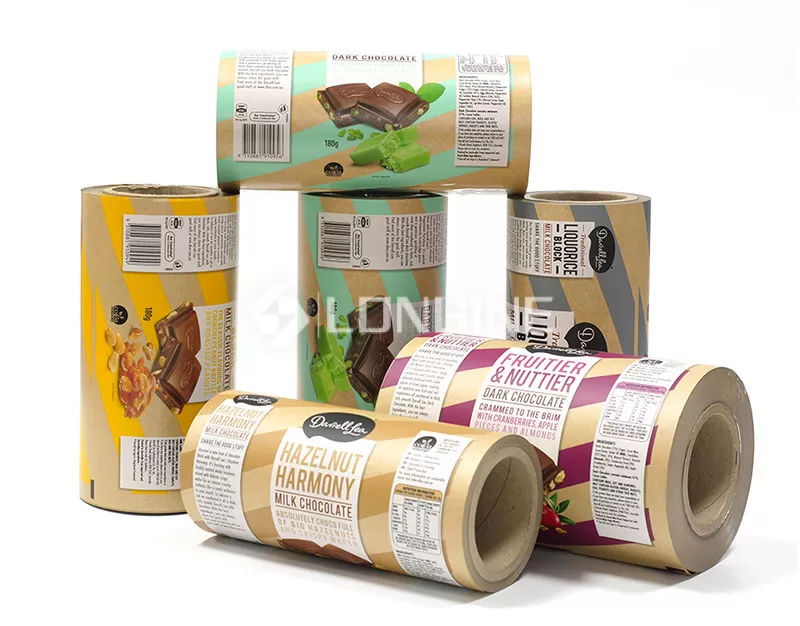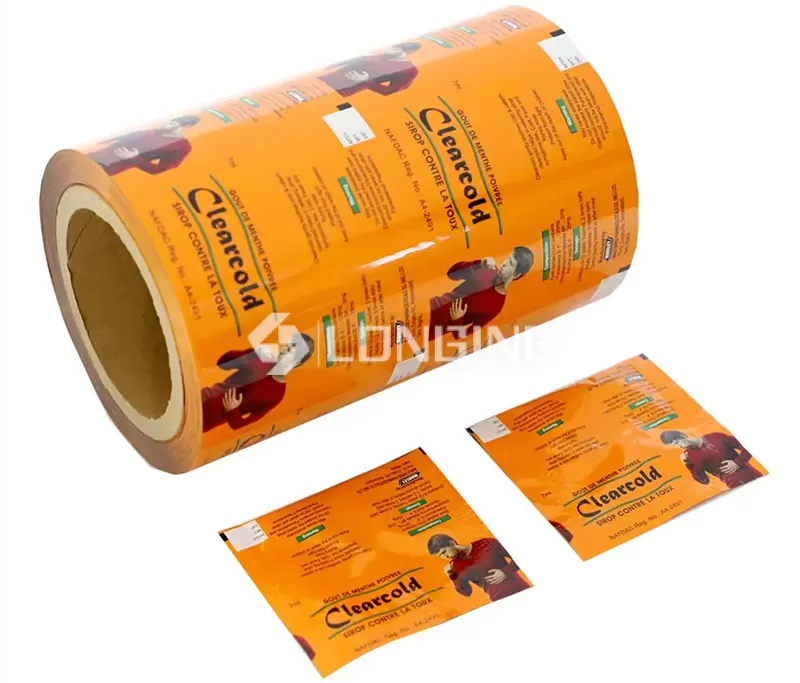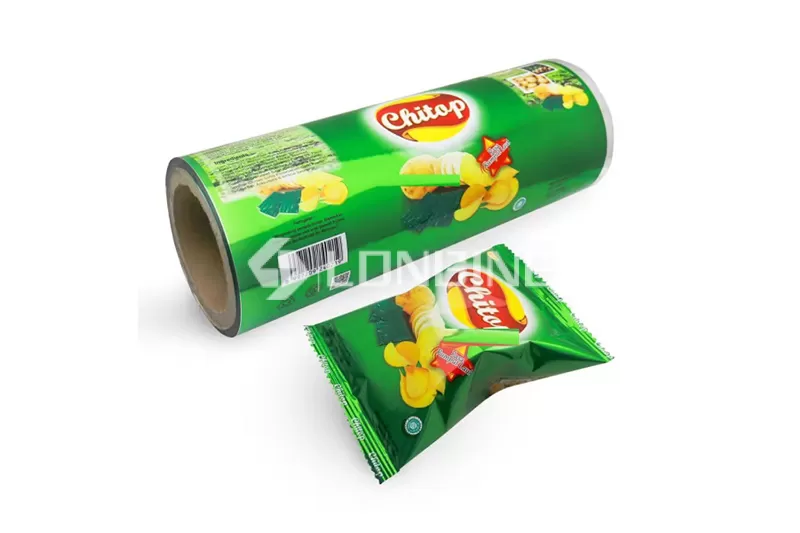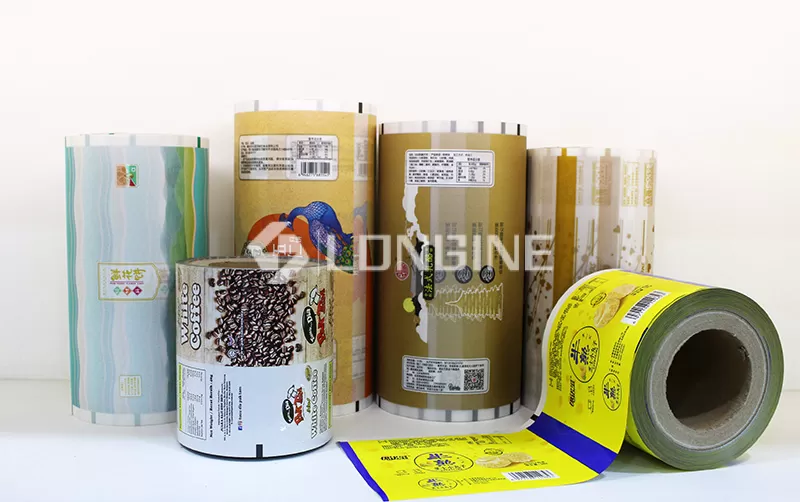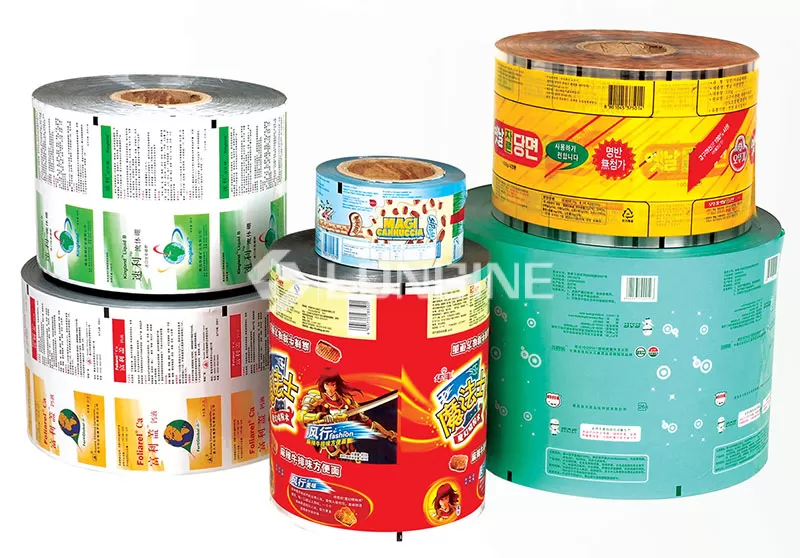
Choosing the right plastic roll film supplier is an important decision for food manufacturers, packaging companies, wholesalers, and consumer brands. The supplier you choose can directly affect packaging quality, production efficiency, product protection, and overall packaging costs.
With so many plastic roll film suppliers available, comparing suppliers based only on price can be risky. A lower film price does not necessarily mean lower total packaging costs if the material causes sealing problems, machine downtime, inconsistent quality, or excessive waste.
So, how do you choose the right plastic roll film supplier for your business?
The key is to evaluate the supplier based on material quality, technical capabilities, customization options, machine compatibility, food-contact requirements, production capacity, quality control, pricing, and long-term supply reliability.
What Is a Plastic Roll Film Supplier?
A plastic roll film supplier provides flexible packaging film in continuous rolls for use in packaging production.
Depending on the supplier, products may include:
Plastic roll film
Printed roll film
Food packaging film
High-barrier roll film
Laminated film
VFFS packaging film
HFFS packaging film
Recyclable roll film
Custom flexible packaging film
The film can be supplied in different materials, thicknesses, widths, structures, printing designs, and roll specifications.
Some suppliers mainly distribute standard films, while manufacturers can provide more customized solutions based on a customer's product and packaging equipment.
For businesses purchasing packaging materials regularly, working directly with a manufacturer can also simplify communication about specifications, samples, production, and quality control.
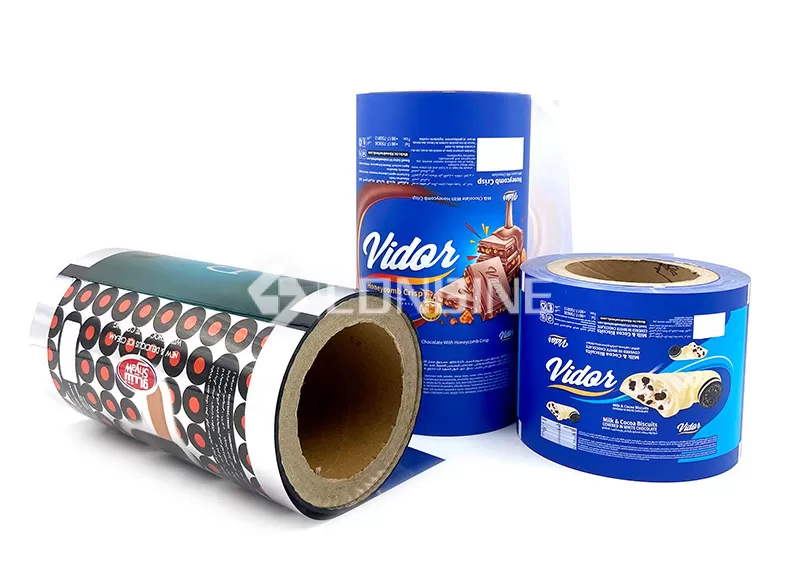
Why Does the Right Plastic Roll Film Supplier Matter?
Plastic roll film is not simply a commodity material.
Its performance can influence how efficiently your packaging line operates and how well the finished package protects the product.
An unsuitable film may result in:
Poor heat sealing
Film breakage
Wrinkles
Uneven thickness
Printing problems
Machine jams
Incorrect registration
Excessive packaging waste
Poor barrier performance
Inconsistent package appearance
For automated packaging operations, even a small change in film performance can affect production efficiency.
A reliable supplier should therefore be able to provide more than a price quotation. They should understand the relationship between film structure, product requirements, and packaging equipment.
What Should You Look for in Plastic Roll Film Suppliers?
There are several important factors to evaluate before choosing a supplier.
1. Material and Film Structure
The first question is whether the supplier can provide the material structure your product actually needs.
Common materials include:
PE
LLDPE
PET
BOPP
CPP
PA
EVOH
Metallized film
Aluminum foil
Multi-layer laminated structures
Different materials provide different characteristics.
For example, PET can provide strength and good printing performance, while PE is commonly used as a heat-sealing layer. PA can improve toughness and puncture resistance, while EVOH can provide strong oxygen barrier performance.
A professional supplier should be able to explain why a particular structure is suitable rather than simply recommending the most expensive option.
2. Customization Capabilities
Many businesses need packaging film that is customized for their products.
Ask the supplier whether they can customize:
Film width
Film thickness
Roll length
Core diameter
Material structure
Printing
Surface finish
Barrier performance
Sealing layer
Roll direction
Eye mark position
Special packaging requirements
Custom plastic roll film is particularly useful for brands that want consistent packaging across multiple products.
It also allows the film to be optimized for specific packaging machines and production conditions.
3. Packaging Machine Compatibility
One of the most important factors is whether the film can run properly on your packaging machine.
Plastic roll film may be used on:
VFFS machines
HFFS machines
Flow wrapping machines
Sachet machines
Stick-pack machines
Other form-fill-seal equipment
Before ordering, provide the supplier with as much machine information as possible.
Important specifications may include:
Machine type
Machine model
Film width
Film thickness
Roll diameter
Core size
Film direction
Sealing method
Machine speed
Eye mark requirements
A film that looks suitable on paper may still require adjustments when used on a specific machine.
For this reason, sample testing before a large production order is an important step.
4. Film Quality and Consistency
Consistent film quality is essential for large-scale packaging production.
A good plastic roll film supplier should have effective quality-control procedures covering factors such as:
Film thickness
Width
Roll winding
Surface quality
Tensile strength
Seal strength
Printing quality
Lamination quality
Barrier performance
Inconsistent thickness can affect machine performance and sealing.
Poor winding can create tension problems or wrinkles.
Inconsistent printing can affect the appearance of finished packaging.
For high-volume packaging, consistency from one production batch to another is particularly important.
5. Food Packaging Safety
If the plastic roll film is used for food packaging, food-contact suitability should be discussed before production.
Ask the supplier about:
Food-contact materials
Applicable compliance requirements
Material specifications
Ink and adhesive selection
Relevant documentation
Intended food applications
Requirements can vary depending on the destination market and food application.
A supplier should be able to provide appropriate documentation for the packaging material when required.
It is also important to tell the supplier what type of food will be packaged.
For example, films used for dry snacks, oily foods, frozen products, coffee, meat, and liquid products may require different structures and performance characteristics.
6. Printing Capabilities
For branded products, custom printing is often an essential part of plastic roll film.
Ask potential suppliers about:
Printing methods
Maximum printing colors
Printing resolution
Color consistency
Registration accuracy
Matte or glossy finishes
Metallic effects
Transparent areas
Print proofing
High-quality printing can help maintain a consistent brand image across different packaging products.
Before mass production, it is also useful to approve the artwork and print appearance carefully.
7. Barrier Performance
Not every product requires the same level of barrier protection.
Depending on the product, the packaging may need protection against:
Oxygen
Moisture
Light
Aroma loss
Grease
External odors
For example, coffee and some snack products may require stronger oxygen and moisture protection, while other dry foods may be adequately protected with a simpler structure.
A good supplier should help you balance barrier performance with material cost instead of automatically recommending an unnecessarily complex structure.
8. MOQ and Production Flexibility
Minimum order quantity is another important consideration.
Different plastic roll film suppliers have different MOQs depending on:
Material structure
Printing method
Number of colors
Film width
Order volume
Production setup
Before choosing a supplier, make sure the MOQ fits your actual purchasing volume.
For a new product, it may be better to work with a supplier that can support samples and manageable initial quantities before moving to larger orders.
For established brands with high annual consumption, production capacity and long-term supply planning become more important.
9. Lead Time and Delivery
A competitive price is not useful if the film arrives too late for your production schedule.
When comparing suppliers, ask about:
Sample lead time
Artwork approval time
Production lead time
Shipping time
Typical reorder lead time
Emergency order options
For businesses with continuous production, stable delivery is an important part of supplier performance.
It is also useful to discuss expected annual demand with your supplier so that production schedules can be planned more effectively.
10. Technical Support
Technical support can make a significant difference when introducing a new roll film.
A capable supplier should be able to discuss questions such as:
Which material structure should I use?
What film thickness is appropriate?
What sealing layer should I choose?
Will the film work with my VFFS machine?
What barrier level does my product require?
Why is the film not sealing correctly?
Can the film structure be simplified to reduce cost?
Can I switch to a recyclable mono-material structure?
A supplier that understands packaging technology can become a useful technical partner rather than simply a material vendor.
How to Compare Plastic Roll Film Suppliers
Instead of comparing suppliers based only on price, create a supplier evaluation checklist.
| Factor | Questions to Ask |
|---|---|
| Material | Can the supplier provide the required film structure? |
| Quality | How is film consistency controlled? |
| Customization | Can width, thickness, printing, and structure be customized? |
| Machine Compatibility | Can the film run on your packaging equipment? |
| Food Safety | Can appropriate food-contact documentation be provided? |
| Printing | What printing and finishing options are available? |
| Barrier | Can oxygen, moisture, and light protection be customized? |
| MOQ | Does the minimum order fit your purchasing volume? |
| Lead Time | Can the supplier meet your production schedule? |
| Technical Support | Can they help with material and machine-related issues? |
| Pricing | What is the total cost per finished package? |
| Supply Capacity | Can the supplier support future volume increases? |
This approach gives you a much clearer picture than comparing the quotation alone.
Should You Choose a Manufacturer or Trading Company?
When searching for plastic roll film suppliers, you may encounter both manufacturers and trading companies.
Neither business model automatically guarantees better results. What matters is whether the supplier can reliably provide the specifications, quality, communication, and support your business requires.
Direct Manufacturer
A direct manufacturer may provide advantages such as:
Direct technical communication
Greater customization flexibility
More control over production specifications
Direct quality-control communication
Potentially more competitive pricing for larger volumes
Trading Company
A trading company may provide:
Access to multiple factories
Broader product sourcing
Flexible supplier coordination
Assistance with international purchasing
The important question is not simply whether the company is a manufacturer or trader.
Instead, ask:
Can this supplier consistently deliver the exact film specification my business needs?
Why Is the Cheapest Plastic Roll Film Supplier Not Always the Best Choice?
Price is naturally an important factor in packaging procurement.
However, the lowest quotation does not necessarily produce the lowest overall packaging cost.
Suppose inexpensive film causes:
More machine downtime
Higher reject rates
Poor sealing
Film breakage
Product leakage
Increased packaging waste
Inconsistent printing
The apparent material savings can quickly disappear.
For this reason, businesses should consider the total cost of packaging, rather than only the price per kilogram or per roll.
A more suitable film may have a slightly higher material price while reducing production losses and improving packaging efficiency.
Why Should You Request Samples Before a Bulk Order?
Requesting samples is one of the most practical ways to evaluate a plastic roll film supplier.
A sample can be tested for:
Material Performance
Check:
Thickness
Flexibility
Strength
Surface quality
Appearance
Machine Performance
Run the film on your actual packaging machine when possible.
Observe:
Film feeding
Tension
Forming
Sealing
Cutting
Registration
Machine speed
Finished Package
Evaluate:
Seal strength
Package appearance
Printing quality
Dimensions
Leakage resistance
Overall package performance
Testing the actual film under real production conditions provides much more useful information than relying only on a supplier's product description.
What Information Should You Send to a Plastic Roll Film Supplier?
To receive an accurate quotation, prepare as much information as possible.
You can provide:
Product type
Product weight
Package size
Target shelf life
Packaging machine type
Film width
Film thickness
Preferred material structure
Printing requirements
Expected order quantity
Packaging application
Destination country
If you do not know the exact material structure, that is not necessarily a problem.
A qualified supplier can recommend a suitable structure after understanding your product and packaging process.
How Can Longine Packing Support Your Business?
Longine Packing provides custom flexible packaging solutions for businesses looking for plastic roll film and other flexible packaging products.
We can help customers evaluate requirements such as:
Product application
Film material
Lamination structure
Film thickness
Roll width
Custom printing
Barrier requirements
Heat-sealing performance
Packaging machine compatibility
Order quantity
Our approach is focused on matching the packaging structure with the actual application rather than offering a one-size-fits-all solution.
Whether you need roll film for food, coffee, snacks, pet food, frozen products, powders, or other flexible packaging applications, the right film structure can be developed around your product and production requirements.
Questions to Ask Before Choosing a Plastic Roll Film Supplier
Before placing your first order, consider asking the supplier these questions:
Can you provide samples?
A sample allows you to evaluate the film before committing to a large order.
Can you customize the film structure?
This is important when your product has specific barrier, sealing, or mechanical requirements.
Can the film run on my packaging machine?
Provide your machine specifications and conduct a trial when possible.
What food-contact documentation is available?
This is especially important for food packaging and export markets.
What is your MOQ?
Make sure the minimum quantity fits your purchasing requirements.
What is the production lead time?
Confirm both initial production time and expected reorder time.
Can you maintain consistent quality between batches?
Consistency is essential for long-term packaging production.
Can you support future volume increases?
Your supplier should ideally be capable of supporting your business as your packaging demand grows.
Conclusion
Choosing the right plastic roll film supplier is about much more than finding the lowest price.
A reliable supplier should be able to provide the right material structure, consistent quality, appropriate food-contact solutions, custom printing, machine compatibility, reasonable MOQ, stable lead times, and technical support.
Before making a decision, compare suppliers based on quality, performance, customization, service, production capability, and total packaging cost.
Most importantly, request samples and test the film on your actual packaging equipment before committing to a large order.
If you are looking for a reliable plastic roll film supplier for food packaging, coffee packaging, snack packaging, pet food, or other flexible packaging applications, Longine Packing can help you evaluate the appropriate film structure and customization options for your business.
Contact Longine Packing to discuss your required material, film size, printing, quantity, and packaging application.