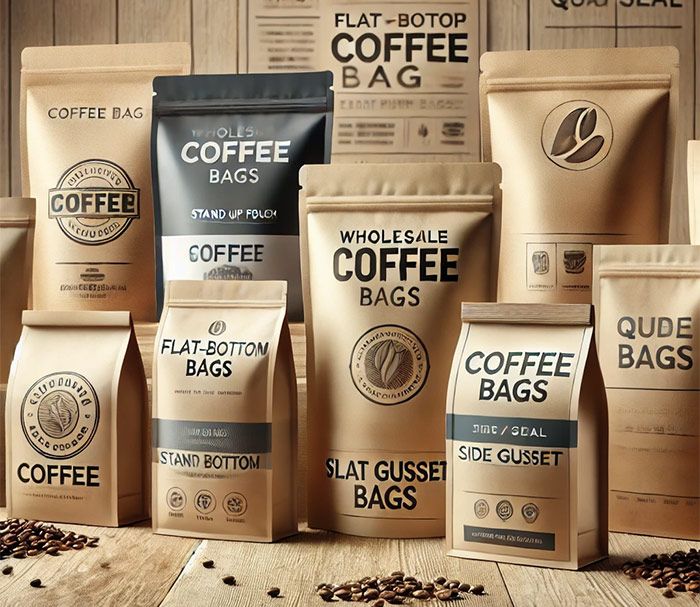
In modern packaging applications—especially in food, pharmaceuticals, personal care, and industrial consumables—packaging films are no longer just protective layers. They now serve as a critical part of product preservation, transportation efficiency, brand presentation, and regulatory compliance. Among the various multilayer film materials available today, PET CPP packaging film has become one of the most widely adopted due to its balance of mechanical strength, optical clarity, sealability, and cost-effectiveness.
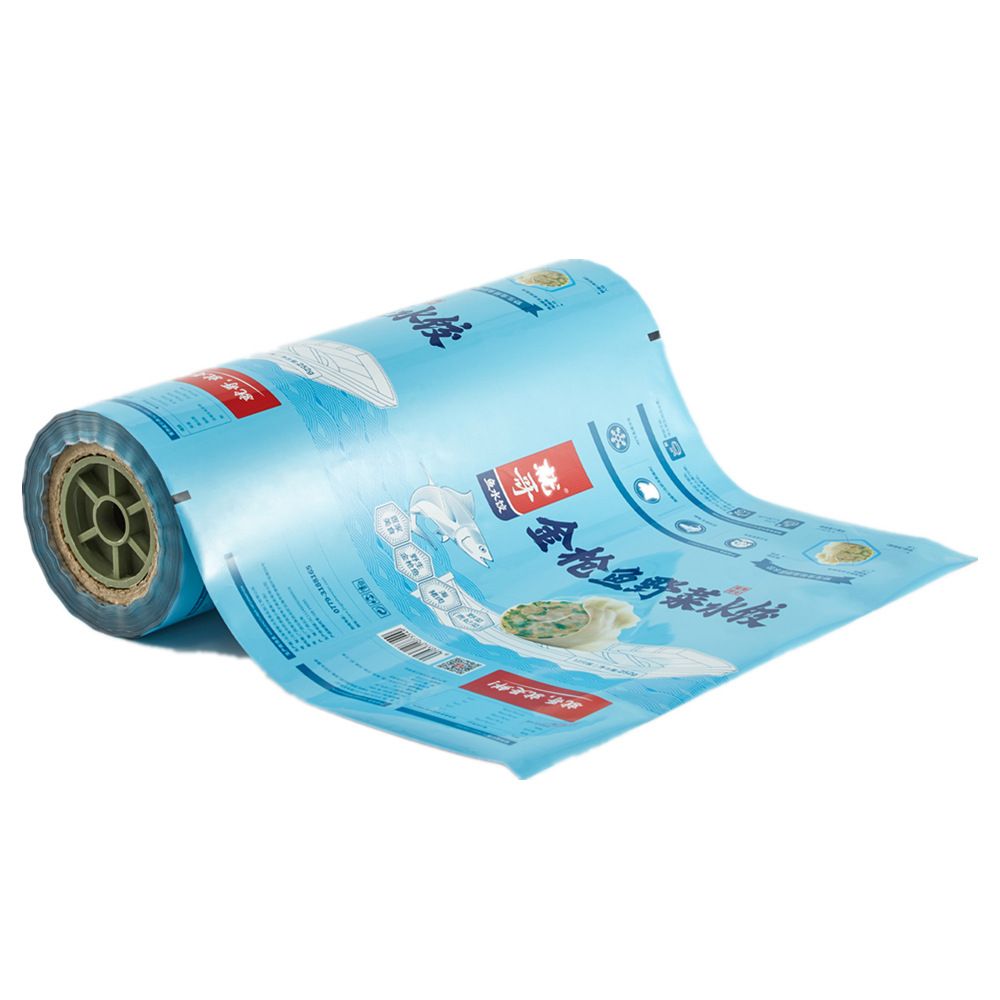
1. Understanding PET and CPP Films
1.1 What PET Film Is
PET (Polyethylene Terephthalate) is a polyester film known for:
- High tensile strength
- Excellent dimensional stability
- Superior gas and aroma barrier
- Strong anti-scratch properties
- Crystal-clear transparency
- Resistance to moisture and chemicals
PET film often serves as the outer layer in laminate structures because it delivers rigidity, printability, and strong resistance against stretching during processing.
1.2 What CPP Film Is
CPP (Cast Polypropylene) is a cast-extruded, flexible polyolefin film known for:
- High heat sealability
- Excellent moisture barrier
- Good tear resistance
- Flexibility and softness
- High clarity and gloss (depending on grade)
CPP is commonly used as the inner sealing layer in multi-layer laminates, including those paired with PET.
1.3 Why Combine PET and CPP Into One Packaging Film
PET + CPP laminates combine the strengths of both materials:
- PET provides stiffness, clarity, toughness, and print performance.
- CPP provides reliable heat-seal performance and compatibility with different filling and sealing equipment.
This structure is used extensively in:
- Snack packaging
- Dry food bags
- Frozen food pouches
- Ready-to-eat meal packaging
- Pharmaceutical sachets
- Industrial consumables requiring low-moisture packaging
2. Key Performance Characteristics of PET CPP Packaging Film
2.1 Mechanical Strength
PET layers significantly enhance mechanical properties:
- High tensile strength prevents tearing during filling.
- Dimensional stability ensures package shape retention.
- Resistance to puncture reduces failure in transportation.
This makes PET CPP films ideal for high-speed vertical form-fill-seal (VFFS) and horizontal form-fill-seal (HFFS) operations.
2.2 Heat Sealability
CPP layers are highly effective for:
- Low-temperature sealing
- Fast sealing cycles
- Strong sealing integrity even for thicker products
Different CPP grades—general-purpose, retort-grade, metallized—affect seal performance. Choosing the right CPP inner layer is essential for accurate sealing behavior.
2.3 Optical Clarity and Printability
PET offers:
- High transparency
- Excellent gloss
- Strong ink adhesion
- Resistance to ink scratching during transit
Brands requiring premium visual presentation benefit from PET-based laminates.
2.4 Barrier Performance
PET provides moderate gas and aroma barrier, while CPP offers moisture resistance. When higher barriers are needed, metallized PET or barrier-coated CPP may be used.
2.5 Chemical Resistance
PET CPP laminates resist oils, fats, detergents, and mild solvents. This is especially useful in:
- Food products containing oil
- Cleaning products
- Certain chemical powders
3. Types of PET CPP Packaging Films
3.1 Standard PET/CPP Laminates
The most common structure for dry foods, snacks, and daily-use items.
Features include stability, clarity, and cost-efficiency.
3.2 Metallized PET + CPP Laminates
Adds a vapor-deposited metallic layer (typically aluminum) to enhance:
- Oxygen barrier
- Moisture barrier
- Light protection
Ideal for:
- Coffee
- Nuts
- Powdered supplements
- Light-sensitive goods
3.3 High-Barrier PET + CPP Laminates
Incorporate special coatings such as:
- Aluminum oxide (AlOx)
- Silicon oxide (SiOx)
- EVOH-based layers in CPP
Used in:
- Medical device packaging
- Pharmaceuticals
- Ready-to-eat meals
- Aroma-sensitive foods
3.4 Retort-Grade PET + CPP Laminates
Designed to withstand 121°C retort sterilization.
Key applications:
- Shelf-stable meals
- Liquid foods
- Baby food pouches
3.5 Custom Laminates (e.g., PET/Ink/Adhesive/CPP Variants)
Manufacturers may adjust:
- Film thickness
- Coating layers
- Surface treatments
- Seal-strength specifications
These custom structures are frequently used for high-speed packaging lines or specialty products requiring precise barrier levels.
4. Factors to Consider When Choosing PET CPP Packaging Film
4.1 Product Type and Sensitivity
Factors include:
- Moisture sensitivity
- Fat-oil content
- Aroma retention requirements
- Light sensitivity
- Particle size (may affect puncture risk)
For example:
- Powdered spices need aroma protection.
- Greasy snacks benefit from PET’s oil resistance.
4.2 Shelf Life Requirements
Longer shelf life may require:
- Metallized PET
- AlOx or SiOx coatings
- Multi-layer CPP
- Oxygen scavenger layers
Short shelf-life items may not need enhanced barrier structures.
4.3 Packaging Equipment Compatibility
Different filling and sealing machines impose certain requirements:
- VFFS machines often need stronger tensile strength.
- HFFS systems may require low-seal-activation CPP layers.
- High-speed lines need anti-slip or friction-adjusted surfaces.
Knowing the equipment’s operating parameters helps narrow material selection.
4.4 Operating Temperature and Storage Environment
Consider whether packaging will face:
- Freezing conditions
- High-temperature processing
- Hot filling
- Sterilization or pasteurization
Each environment affects laminate selection.
4.5 Sustainability Objectives
PET CPP films can be optimized for environmental goals:
- Thinner PET layers
- Recyclable mono-material CPP solutions (if PET layer is minimized or replaced)
- Use of solvent-free adhesives
While true mono-material recyclability remains challenging, performance-driven sustainable options are increasingly available.
4.6 Design and Branding Requirements
PET is excellent for:
- High-quality printing
- Matte or gloss finishes
- Metalized aesthetics
- Window designs
Brand-compliant packaging often prioritizes optical and tactile characteristics.
5. Matching PET CPP Film Types With Different Packaging Applications
5.1 Dry Snacks and Confectionery
Recommended Structure: PET/CPP
Key Requirements:
- Good stiffness
- Excellent polish and transparency
- Fast sealability
5.2 Powdered Foods and Seasonings
Recommended Structure: PET + Metallized PET + CPP
Benefits:
- Barrier against moisture migration
- Aroma retention
- Resistance to product settling and abrasion
5.3 Frozen Foods
Recommended Structure: PET/CPP or Thick CPP Inner Layers
Key Considerations:
- Flexibility at low temperatures
- Puncture resistance
- Anti-fog options if visibility is required
5.4 Liquid and Semi-Liquid Foods
Recommended Structure: High-barrier PET + CPP
Focus:
- Seal integrity
- Resistance to oil and liquid migration
- Improved barrier performance
5.5 Retort or High-Temperature Sterilized Products
Recommended Structure: Retort-grade PET + Retort-grade CPP
Characteristics:
- Retains seal integrity under high temperatures
- Resists delamination
- Maintains package durability
6. Common Problems and How to Avoid Them When Choosing PET CPP Film
6.1 Seal Failure During Packaging
Possible causes:
- Incorrect CPP grade
- Incompatible sealing temperatures
- Contaminants on sealing surfaces
Solution:
- Match CPP seal layer with machine requirements
- Verify temperature windows
- Evaluate film cleanliness and anti-static properties
6.2 Delamination After Filling
Risk factors:
- Improper adhesive selection
- Excessive product weight
- High oil content compromising bonding
Solution:
- Use solvent-free or high-performance adhesives
- Specify oil-resistant laminate options
6.3 Fogging Inside the Package
Common in refrigerated or high-moisture applications.
Solution:
- Use anti-fog PET coatings
- Consider CPP with surface modification
6.4 Packaging Tearing During Transport
Caused by:
- Insufficient PET thickness
- Sharp product edges
- Inadequate tensile strength for the handling method
Solution:
- Increase PET thickness
- Use reinforcement layers
- Choose films with higher puncture resistance
7. Practical Steps to Select the Right PET CPP Film
- Conduct a product assessment
Understand physical, chemical, and environmental characteristics. - Map out production requirements
Include equipment speed, heat-seal parameters, filling method, and storage conditions. - Determine barrier level needs
Identify oxygen, moisture, aroma, and light-protection requirements. - Evaluate mechanical performance targets
Assess strength, stiffness, seal reliability, and puncture resistance. - Align with branding and visual needs
Gloss, matte, printing method, or see-through windows. - Consider sustainability and regulatory requirements
Food-contact compliance, recyclability, or regional legislation. - Test with multiple prototypes
Validate sealing integrity, filling efficiency, and product compatibility. - Establish consistency monitoring
Ensure stable film properties across production batches.