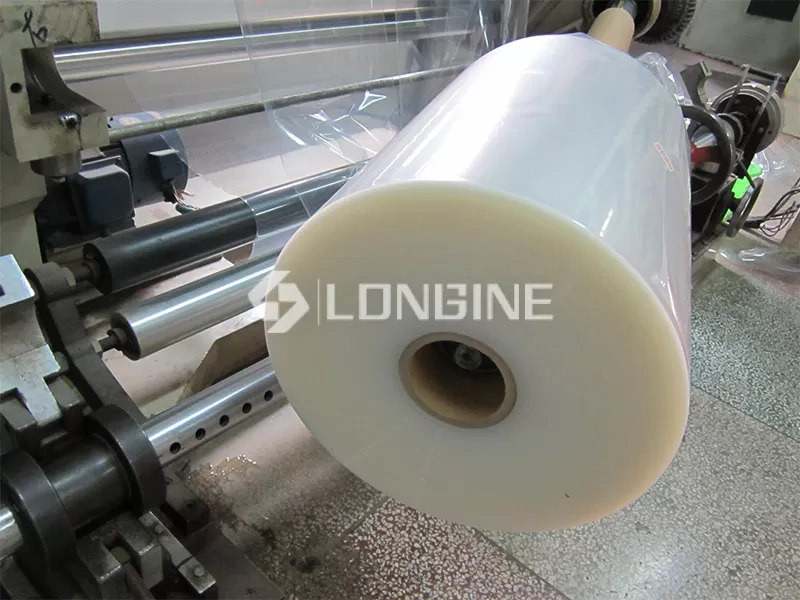
1. What Is Printed Roll Stock and Why It Matters
Printed roll stock has become one of the most widely used packaging formats in modern manufacturing, particularly in industries that rely on high-speed, automated production. As brands face increasing pressure to reduce costs, improve efficiency, and strengthen shelf presence, printed roll stock offers a practical and scalable solution that addresses all three challenges simultaneously.
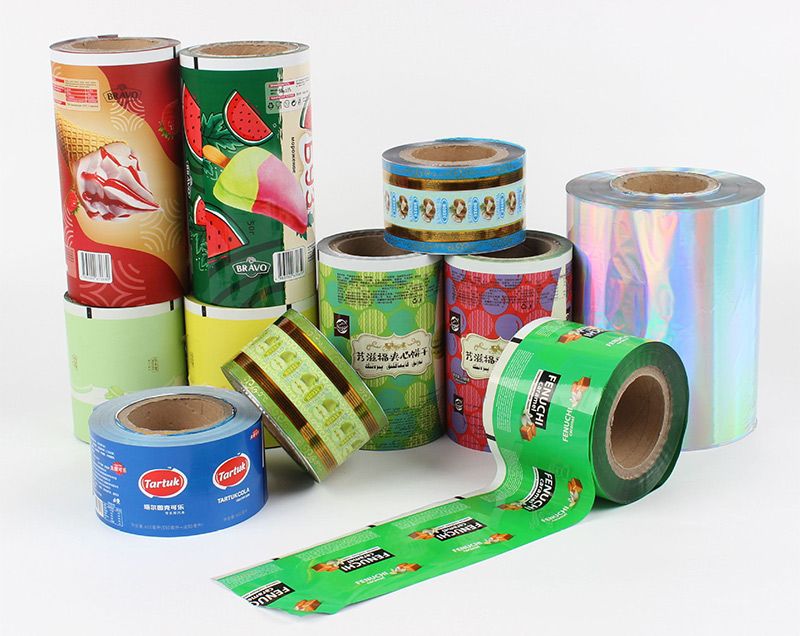
At its core, printed roll stock combines flexible packaging film with custom-printed branding, supplied in continuous rolls rather than pre-formed packages. This format allows manufacturers to form, fill, and seal packages directly on their own packaging lines. Compared with pre-made bags or rigid packaging, printed roll stock delivers greater flexibility, lower unit costs at scale, and better integration with automated equipment.
The growing adoption of printed roll stock is driven by several market realities. Labor costs continue to rise, retail competition demands stronger visual differentiation, and supply chains require packaging formats that can adapt quickly to product changes. For food, beverage, coffee, pet food, pharmaceutical, and home-care brands, printed roll stock is no longer just an alternative—it is often the preferred packaging strategy.
This article is designed to help decision-makers clearly understand what printed roll stock is, how it is produced, what materials and printing technologies are involved, and why it may—or may not—be the right solution for their specific application. Rather than focusing on theory alone, the discussion is grounded in real-world packaging requirements and purchasing considerations.
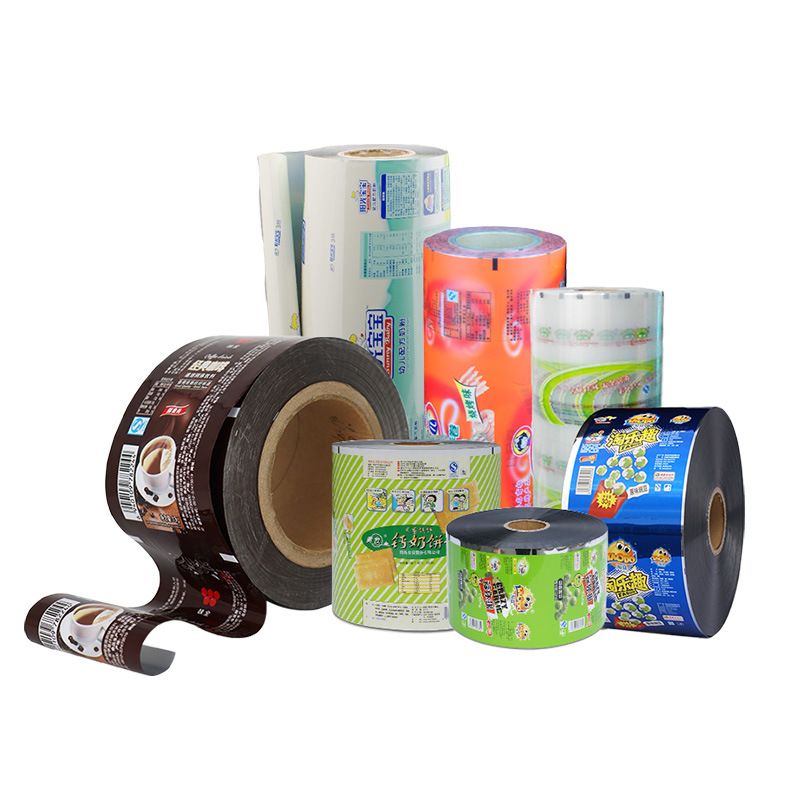
2. What Is Printed Roll Stock? A Clear and Practical Explanation
Printed roll stock refers to flexible packaging film that has been custom printed with branding, product information, and regulatory details, then wound into rolls for use on automated packaging machines. Unlike plain roll film, printed roll stock serves both a functional and a marketing role: it forms the package structure while simultaneously communicating the brand message.
From an operational perspective, printed roll stock is designed to run on form-fill-seal systems, including vertical form-fill-seal (VFFS), horizontal form-fill-seal (HFFS), and flow-wrapping machines. The packaging machine pulls the film from the roll, forms it into a pouch or wrap, fills it with product, and seals it—all in one continuous process.
One of the most important distinctions buyers should understand is the difference between printed roll stock and pre-made packaging. With roll stock, the package is created on-site during filling, which significantly reduces storage space and transportation costs. This also allows manufacturers to adjust package length, seal style, and format with minimal changes to the film itself.
Printed roll stock is typically supplied with precise technical specifications, including roll width, outer diameter, core size, film thickness, and print repeat length. These parameters must match the customer’s equipment and production speed requirements. When properly specified, printed roll stock supports consistent output, minimal downtime, and predictable quality.
3. Common Materials Used in Printed Roll Stock
Material selection is one of the most critical decisions when specifying printed roll stock. The right structure must protect the product, run efficiently on the packaging line, and support the desired shelf life and branding objectives.
3.1 Plastic Films: The Most Widely Used Options
Plastic films dominate the printed roll stock market due to their versatility and performance. Common materials include PET, BOPP, CPP, PE, and PA. PET is frequently used for its strength, clarity, and printability, while BOPP offers excellent stiffness and cost efficiency. PE layers provide sealability, and PA adds puncture resistance for demanding applications.
By combining these films in multilayer laminations, manufacturers can tailor properties such as moisture resistance, oxygen barrier, and mechanical durability. This flexibility makes plastic-based printed roll stock suitable for a wide range of food and non-food products.
3.2 Paper-Based Roll Stock
Paper-based printed roll stock is often selected for products that emphasize a natural or premium image. Kraft paper and coated paper films offer strong visual appeal and good print performance. However, paper alone typically lacks sufficient barrier properties and is often combined with plastic or foil layers.
Paper roll stock is most appropriate for dry products or applications where sustainability messaging is a priority, provided performance requirements can still be met.
3.3 Aluminum Foil and High-Barrier Laminates
For products requiring maximum protection from moisture, oxygen, and light, aluminum foil laminates are commonly used. These structures are prevalent in coffee, powdered foods, pharmaceuticals, and sensitive nutritional products. While foil-based printed roll stock delivers superior barrier performance, it also increases material cost and reduces recyclability.
3.4 Mono-Material and Recyclable Structures
Sustainability considerations are reshaping material choices across the packaging industry. Mono-material printed roll stock, typically based on PE or PP, is designed to improve recyclability while maintaining functional performance. Although these structures may not yet match foil laminates in barrier performance, ongoing innovation continues to narrow the gap.
4. Printing Technologies Used for Printed Roll Stock
The printing method selected for printed roll stock directly affects cost, image quality, lead time, and suitability for different production volumes.
4.1 Flexographic Printing
Flexographic printing is widely used for printed roll stock due to its efficiency and scalability. It offers fast setup, relatively low plate costs, and good print quality for most commercial applications. Flexo is particularly well suited for long production runs where cost control is a priority.
4.2 Rotogravure Printing
Rotogravure printing delivers the highest level of image consistency and detail, making it ideal for premium brands and very high-volume orders. While cylinder costs are higher, gravure printing excels in color accuracy and repeatability, especially on complex designs.
4.3 Digital Printing
Digital printing is increasingly used for short runs, product launches, and customized packaging. It eliminates the need for printing plates and allows for rapid turnaround. However, unit costs remain higher for large volumes, and substrate compatibility can be more limited.
5. Key Benefits of Using Printed Roll Stock
For many manufacturers, the decision to switch to printed roll stock is driven by measurable operational and financial advantages rather than aesthetics alone. When evaluated across the entire packaging lifecycle, printed roll stock consistently delivers strong returns on investment.
5.1 Lower Packaging Cost per Unit
One of the most compelling benefits of printed roll stock is cost efficiency at scale. Because the packaging is formed directly on the filling line, manufacturers avoid the added labor, transportation, and storage costs associated with pre-made bags. Material utilization is also more efficient, with less excess film and fewer rejected units during production.
Over long production runs, the per-unit cost savings can be substantial. For high-volume products, printed roll stock often represents the lowest total packaging cost without sacrificing performance or appearance.
5.2 Higher Production Efficiency and Line Speed
Printed roll stock is designed to integrate seamlessly with automated form-fill-seal equipment. This compatibility allows for continuous operation at high speeds, reduced manual handling, and fewer line stoppages. Compared with loading pre-formed packaging, roll-fed systems are easier to manage and scale.
In environments where throughput and uptime are critical, printed roll stock helps manufacturers maintain consistent output while minimizing labor dependency.
5.3 Stronger Brand Visibility and Shelf Impact
From a marketing standpoint, printed roll stock enables full-surface, high-quality graphics that enhance shelf presence. Consistent color reproduction, sharp text, and precise registration contribute to a professional appearance that reinforces brand credibility.
Because branding is printed directly onto the packaging film, there is no need for secondary labels, which further reduces cost and improves visual consistency.
5.4 Design Flexibility and Scalability
Printed roll stock offers significant flexibility in package design. Adjustments to package length, seal type, or format can often be made without changing the entire film structure. This makes it easier for brands to introduce new SKUs, resize packages, or test markets without extensive retooling.
6. Applications of Printed Roll Stock Across Industries
The versatility of printed roll stock makes it suitable for a wide range of industries, each with its own technical and regulatory requirements.
6.1 Food and Beverage Packaging
Printed roll stock is widely used for snacks, frozen foods, dairy products, sauces, and beverages. These applications require reliable sealing, food-safe materials, and appropriate barrier properties to protect freshness and extend shelf life.
6.2 Coffee and Tea Packaging
Coffee packaging places particularly high demands on printed roll stock. Aroma retention, oxygen barriers, and compatibility with degassing valves are essential. Printed roll stock allows coffee brands to achieve premium presentation while maintaining product quality and production efficiency.
6.3 Pet Food and Animal Nutrition
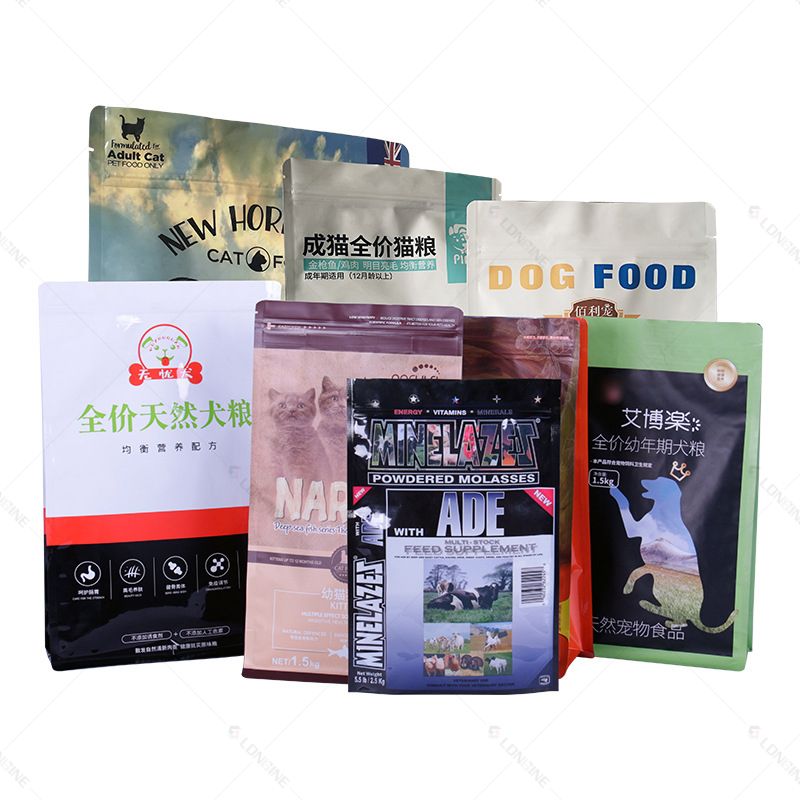
Durability and puncture resistance are critical for pet food packaging. Printed roll stock structures designed for heavier products support high-speed filling while protecting against damage during transportation and handling.
6.4 Pharmaceutical and Medical Products
In pharmaceutical applications, printed roll stock must meet strict regulatory and traceability requirements. Clean printing, accurate lot coding, and material compliance are essential. Roll stock packaging also supports controlled, repeatable production in regulated environments.
6.5 Home Care and Industrial Products
For detergents, chemicals, and industrial goods, printed roll stock offers chemical resistance, strong seals, and durable packaging suitable for demanding supply chains.
7. How to Choose the Right Printed Roll Stock for Your Packaging Line
Selecting the correct printed roll stock requires a systematic evaluation of both technical and commercial factors.
7.1 Machine Compatibility and Technical Specifications
Film thickness, roll width, core size, and sealing characteristics must match the capabilities of the packaging machine. Mismatches can lead to poor seals, misregistration, or excessive downtime.
7.2 Product Protection and Shelf-Life Requirements
Understanding the product’s sensitivity to moisture, oxygen, and light is essential. Barrier performance should be specified based on real shelf-life needs rather than assumptions.
7.3 Print Quality and Branding Objectives
High-end brands may prioritize color accuracy and visual detail, while others focus on functionality and cost control. The printing method should align with brand positioning.
7.4 Cost Structure and Long-Term ROI
Beyond material price, buyers should consider total cost of ownership, including waste rates, production efficiency, and supplier reliability.