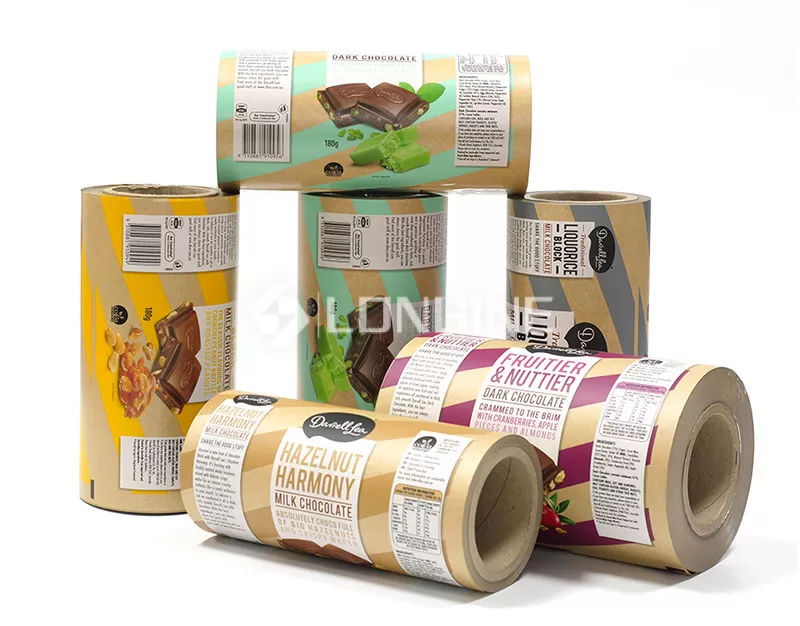
Flexible packaging roll film has become an important packaging material for food, beverages, pet food, household products, personal care products, and many other industries.
Compared with traditional rigid packaging formats, flexible packaging can provide a combination of lightweight construction, efficient material usage, attractive printing, convenient storage, and compatibility with automated packaging systems.
For manufacturers and brands, choosing the right flexible packaging roll film can also help improve packaging efficiency and adapt packaging formats to different products.
So, what makes flexible packaging roll film so useful for the modern packaging industry?
The answer lies in its flexibility, material efficiency, customization options, barrier performance, printing capabilities, and compatibility with high-speed packaging equipment.
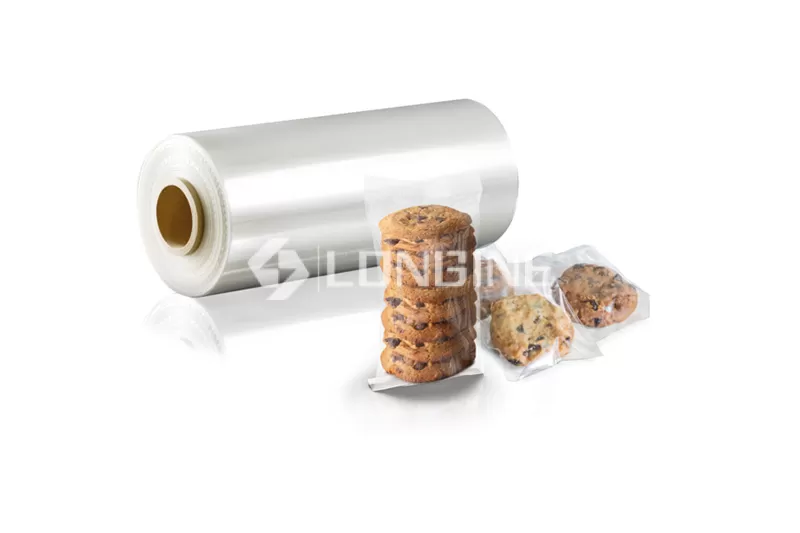
What Is Flexible Packaging Roll Film?
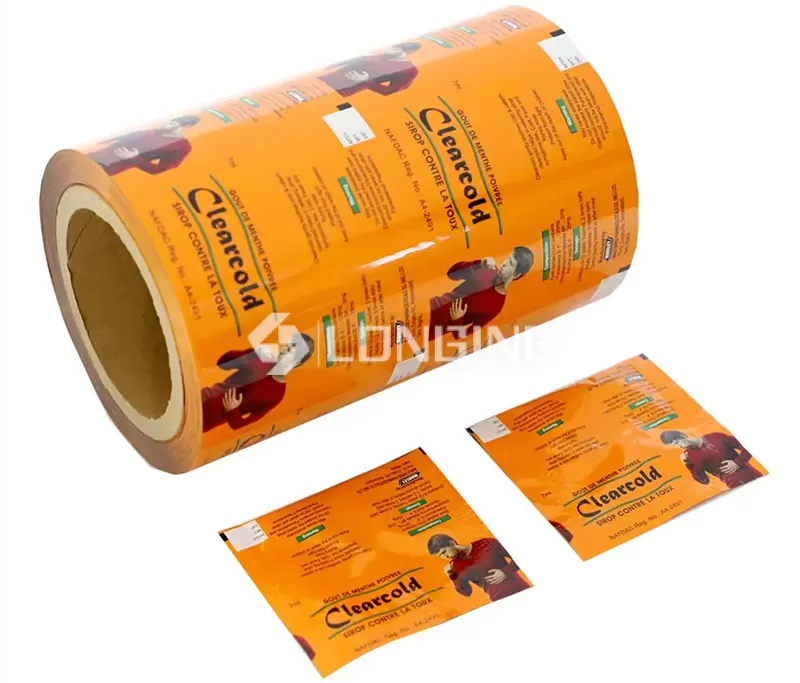
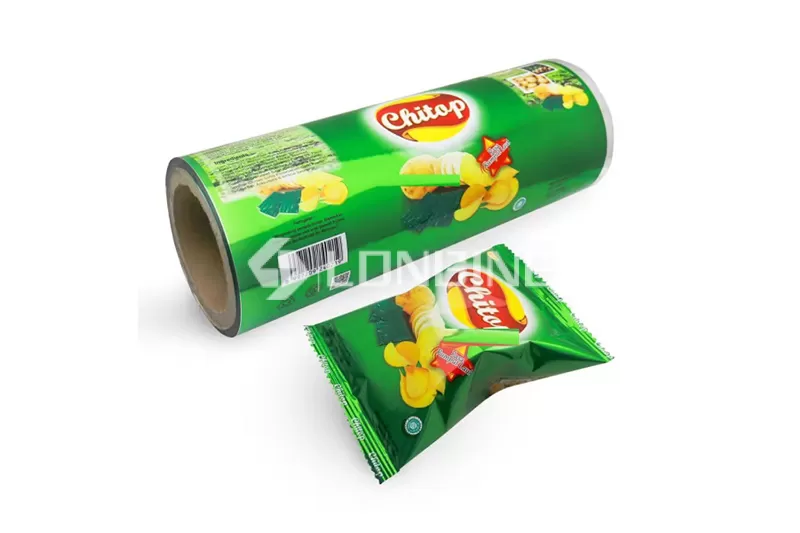
Flexible packaging roll film is a continuous film material supplied in rolls and used to manufacture flexible packages during the packaging process.
Unlike pre-made bags or pouches, roll film is converted into the final package by packaging equipment.
Depending on the application, roll film can be used to produce:
Stand-up pouches
Flat pouches
Sachets
Stick packs
Pillow bags
Three-side-seal bags
Four-side-seal bags
Flow-wrap packages
Vacuum bags
Other custom flexible packaging formats
Flexible packaging roll film can be manufactured using single-layer, multilayer, laminated, co-extruded, metallized, or recyclable structures.
The appropriate structure depends on the product, required shelf life, packaging machine, and performance requirements.
Why Is Flexible Packaging Becoming More Popular?
Modern packaging needs to satisfy several requirements at the same time.
Brands want packaging that is:
Lightweight
Attractive
Functional
Cost-efficient
Easy to transport
Suitable for automated production
Capable of protecting the product
Adaptable to sustainability goals
Flexible packaging roll film can address many of these requirements through customized material structures.
Instead of using one material for every application, manufacturers can combine different films to create a packaging structure with specific properties.
For example, one layer may provide printing performance, another may improve mechanical strength, and another may provide heat sealing.
This allows the packaging to be designed around the product rather than forcing every product into the same packaging format.
What Are the Main Advantages of Flexible Packaging Roll Film?
Flexible packaging roll film offers several advantages for modern packaging operations.
1. Lightweight Packaging
One of the most obvious advantages of flexible packaging is its relatively low weight.
Compared with many rigid containers, flexible packages can use less material while still providing the required product protection.
This can help reduce:
Packaging weight
Storage requirements
Transportation volume
Handling costs
For businesses shipping large quantities of packaged products, reducing packaging weight can be particularly valuable.
2. Efficient Material Usage
Flexible packaging can achieve the required package functionality using carefully engineered multilayer or mono-material film structures.
Different layers can be designed to perform specific functions.
For example:
Outer layer: Printing, appearance, mechanical protection
Barrier layer: Oxygen, moisture, or light protection
Inner layer: Heat sealing and product contact
This functional approach can help manufacturers avoid using more material than necessary for a particular application.
3. Excellent Packaging Design Flexibility
Roll film can be converted into different package shapes and sizes.
This makes flexible packaging suitable for products ranging from small single-use portions to large family-size packages.
Packaging dimensions can be customized according to:
Product weight
Product volume
Package shape
Filling method
Shelf space
Retail requirements
Brands can therefore create packaging formats that match both product requirements and marketing strategies.
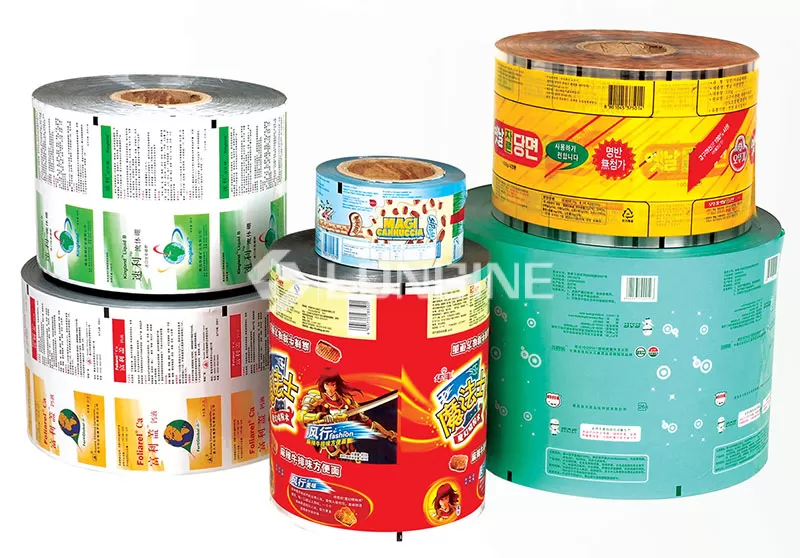
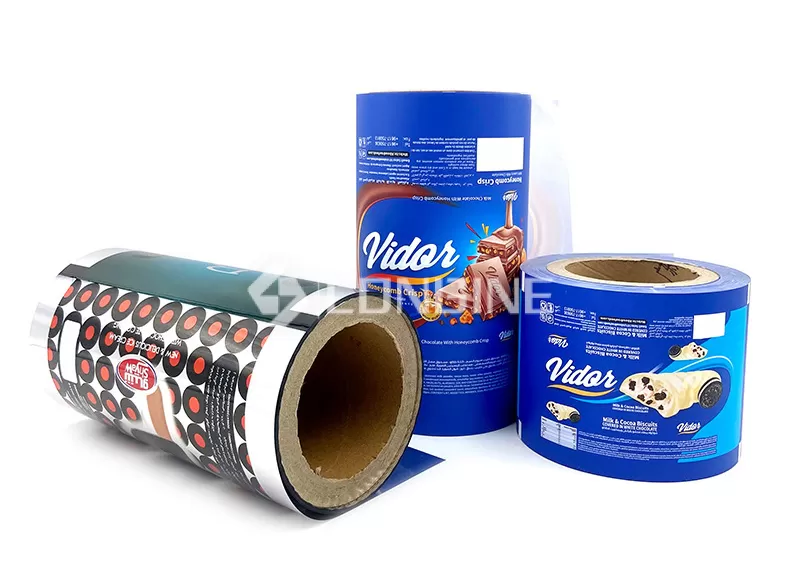
4. High-Quality Custom Printing
Packaging is an important part of brand communication.
Flexible packaging roll film can support high-quality custom printing, allowing brands to display:
Logos
Product images
Product information
Nutrition information
Barcodes
Instructions
Marketing graphics
Brand colors
Modern printing technologies allow detailed graphics and complex designs to be reproduced on flexible packaging film.
This makes roll film particularly useful for consumer products competing for attention on retail shelves.
5. Strong Barrier Performance
One of the most important functions of flexible packaging is product protection.
Depending on the structure, flexible packaging film can provide protection against:
Oxygen
Moisture
Light
Aroma loss
Grease
External odors
Different products require different barrier levels.
For example, snacks may require strong moisture protection, while coffee can require stronger oxygen and aroma protection. Meat and seafood may require high mechanical strength combined with suitable oxygen barrier properties.
Barrier materials can include:
Metallized film
Aluminum foil
EVOH
Specialized barrier coatings
High-performance multilayer structures
The correct solution depends on the actual product and target shelf life.
6. Excellent Heat-Sealing Performance
Heat sealing is essential for many flexible packaging applications.
The inner sealant layer is responsible for creating the package closure and maintaining package integrity.
Common sealant materials include:
PE
LLDPE
CPP
Heat-sealable BOPP
Other specialized sealing films
A suitable sealant can help achieve:
Strong seals
Consistent sealing
Good hot tack
High-speed packaging
Reliable package integrity
Seal performance should always be evaluated together with the packaging machine and production conditions.
7. Compatibility With Automatic Packaging Machines
Flexible packaging roll film is particularly valuable for automated packaging.
It can be used with equipment such as:
VFFS machines
HFFS machines
Flow wrapping machines
Sachet machines
Stick-pack machines
Other form-fill-seal equipment
Continuous roll film allows the machine to perform multiple packaging steps in sequence.
Depending on the equipment, these steps may include:
Film feeding
Film forming
Product filling
Sealing
Cutting
Date or code printing
This can support efficient high-volume production.
What Industries Use Flexible Packaging Roll Film?
Flexible packaging roll film is used across many industries.
Food Packaging
Food is one of the largest applications for flexible packaging.
Common products include:
Snacks
Coffee
Biscuits
Candy
Nuts
Dried fruit
Frozen food
Pet food
Powdered food
Spices
Cereals
Different foods require different combinations of barrier protection, sealing, strength, and appearance.
Coffee Packaging
Coffee is particularly sensitive to oxygen, moisture, aroma loss, and light.
Flexible packaging roll film can be used to manufacture coffee bags and other coffee packaging formats.
Depending on the product, the packaging structure may include high-barrier materials such as metallized film or aluminum foil.
One-way degassing valves can also be incorporated into suitable coffee packaging designs.
Snack Packaging
Snack products such as potato chips, popcorn, nuts, crackers, and dried fruit often require protection from moisture and oxygen.
Flexible roll film can provide both the required barrier performance and attractive printed surfaces for retail packaging.
Pet Food Packaging
Pet food packaging requires mechanical strength, moisture protection, sealing performance, and attractive branding.
Flexible packaging can be used for:
Dry pet food
Treats
Snacks
Powdered pet products
Larger bags may require stronger film structures to handle heavier product weights.
Household and Personal Care Products
Flexible packaging is also used for products outside the food industry.
Applications can include:
Detergent refills
Cleaning products
Personal care products
Agricultural products
Household consumables
The material structure should be selected according to the chemical and physical characteristics of the product.
Flexible Packaging Roll Film vs. Pre-Made Pouches
Both roll film and pre-made pouches have advantages, but they are suitable for different production models.
| Feature | Roll Film | Pre-Made Pouches |
|---|---|---|
| Packaging process | Formed during filling | Bag supplied ready-made |
| Automation | Excellent | Depends on equipment |
| High-volume production | Suitable | Suitable with compatible systems |
| Size customization | Flexible | Based on pouch production |
| Storage before filling | More compact | Requires more space |
| Printing | Highly customizable | Highly customizable |
| Equipment requirement | Requires form-fill-seal equipment | Requires compatible filling equipment |
| Production flexibility | High | High for selected formats |
For businesses with high-volume automated production, roll film can be an efficient packaging solution.
For businesses without form-fill-seal equipment, pre-made pouches may be more convenient.
What Materials Are Used in Flexible Packaging Roll Film?
There is no universal material structure for flexible packaging.
Common materials include:
PE
PE is widely used for flexible packaging because of its flexibility, toughness, moisture resistance, and heat-sealing properties.
It is often used as an inner sealing layer.
PET
PET provides good mechanical strength, dimensional stability, printability, and surface appearance.
It is commonly used as an outer layer in laminated structures.
BOPP
BOPP provides good clarity, stiffness, printability, and moisture resistance.
It is widely used for snacks, biscuits, confectionery, and other consumer products.
CPP
CPP provides useful heat-sealing performance and can be used as an inner layer in flexible packaging structures.
PA
PA is known for its toughness and puncture resistance.
It is commonly used for applications such as vacuum packaging, meat, seafood, and other products requiring stronger mechanical protection.
EVOH
EVOH can provide high oxygen barrier performance and is often incorporated into multilayer structures for oxygen-sensitive products.
What Is Multilayer Flexible Packaging Film?
Many flexible packaging films contain multiple layers because one material cannot always provide all the required properties.
A multilayer structure may combine:
Printing performance
Mechanical strength
Oxygen barrier
Moisture barrier
Heat sealing
Puncture resistance
For example, a simplified structure might look like:
PET / PE
or:
PET / VMPET / PE
or:
PA / EVOH / PE
Each layer performs a specific function.
The final structure should be optimized according to the product rather than simply adding more layers.
Can Flexible Packaging Roll Film Be Recyclable?
Sustainability has become an important consideration for flexible packaging.
Traditional laminated structures can provide excellent performance, but combinations of different materials can create challenges for recycling.
For suitable applications, mono-material structures such as PE-based or PP-based films can be considered.
Potential benefits include:
Simplified material composition
Compatibility with certain recycling systems
Reduced dependence on mixed-material structures
Support for packaging sustainability goals
However, recyclable packaging still needs to meet the required standards for product protection and production performance.
Before switching materials, manufacturers should evaluate:
Oxygen barrier
Moisture barrier
Seal performance
Puncture resistance
Machine compatibility
Shelf life
Printing performance
A sustainable packaging solution should still protect the product effectively.
How Does Flexible Packaging Reduce Packaging Costs?
Flexible packaging can help control packaging costs in several ways.
Lower Material Weight
Lightweight film can reduce the amount of material used per package.
Efficient Transportation
Lower package weight and compact finished packages can help improve transportation efficiency.
Compact Storage
Roll film is highly compact before conversion into finished packages.
This can reduce warehouse space requirements compared with storing large quantities of pre-made rigid packaging.
High-Speed Production
When compatible with automated packaging equipment, roll film can support efficient high-volume production.
Custom Material Structures
A properly optimized film structure can provide the required performance without unnecessary material layers or thickness.
However, the cheapest film is not always the most economical option.
A film that causes machine downtime, excessive waste, or poor sealing can increase total packaging costs.
What Should You Consider When Choosing Flexible Packaging Roll Film?
Before selecting a film supplier or material structure, consider the following factors.
Product Characteristics
Understand:
Product type
Weight
Moisture content
Oil content
Sensitivity to oxygen
Sensitivity to light
Aroma characteristics
Shelf Life
Determine how long the product needs to maintain its quality under actual storage and distribution conditions.
Packaging Machine
Provide your supplier with information about:
Machine type
Film width
Film thickness
Roll diameter
Core size
Machine speed
Sealing method
Eye mark requirements
Barrier Requirements
Determine whether the package needs protection against:
Oxygen
Moisture
Light
Aroma
Grease
Appearance
Consider whether you need:
Clear film
Matte finish
Glossy finish
Metallized appearance
High-definition printing
Transparent windows
Sustainability Requirements
If sustainability is an important part of your packaging strategy, discuss recyclable or mono-material structures with your supplier from the beginning.
What Are the Advantages of Custom Flexible Packaging Roll Film?
Standard film may be sufficient for some applications, but custom roll film can provide additional flexibility.
Custom specifications can include:
Film width
Film thickness
Material structure
Barrier level
Printing design
Roll length
Core size
Sealing layer
Surface finish
Customization allows the packaging to be designed around the actual product and production process.
For large-volume packaging operations, this can help improve machine performance and reduce unnecessary material consumption.
How Can Longine Packing Help With Flexible Packaging Roll Film?
Longine Packing provides custom flexible packaging solutions for businesses across food, coffee, snacks, pet food, and other packaging applications.
We can help customers evaluate flexible packaging roll film according to:
Product characteristics
Packaging format
Material requirements
Barrier performance
Film thickness
Film width
Printing requirements
Sealing performance
Packaging machine
Order quantity
Whether you need standard roll film or a customized multilayer structure, the goal is to match the film with the actual requirements of your product and packaging process.
Longine Packing can also support customers looking for custom printed roll film and flexible packaging materials for automated packaging applications.
Conclusion
Flexible packaging roll film offers a combination of lightweight construction, material efficiency, strong barrier protection, custom printing, flexible package design, and compatibility with automated packaging equipment.
These advantages make roll film an important packaging solution for modern food, coffee, snack, pet food, household, and consumer product industries.
The most suitable film, however, depends on the product and packaging process. Material selection should take into account shelf life, oxygen and moisture sensitivity, mechanical requirements, sealing performance, packaging equipment, printing needs, and sustainability goals.
Instead of choosing a film based only on price, businesses should evaluate the complete packaging system and select a structure that provides the required performance at an appropriate overall cost.
If you are looking for custom flexible packaging roll film, Longine Packing can help you evaluate material structures, film specifications, printing options, barrier requirements, and packaging machine compatibility for your application.
Contact Longine Packing to discuss your product, packaging requirements, and custom roll film needs.