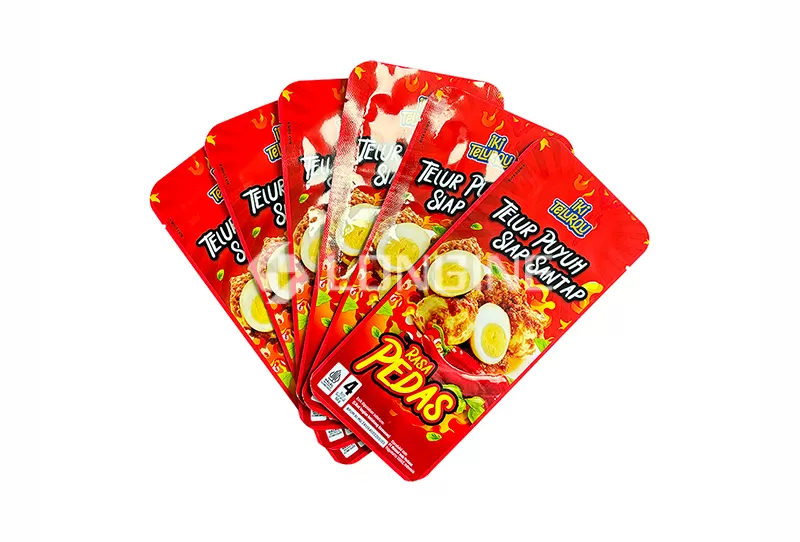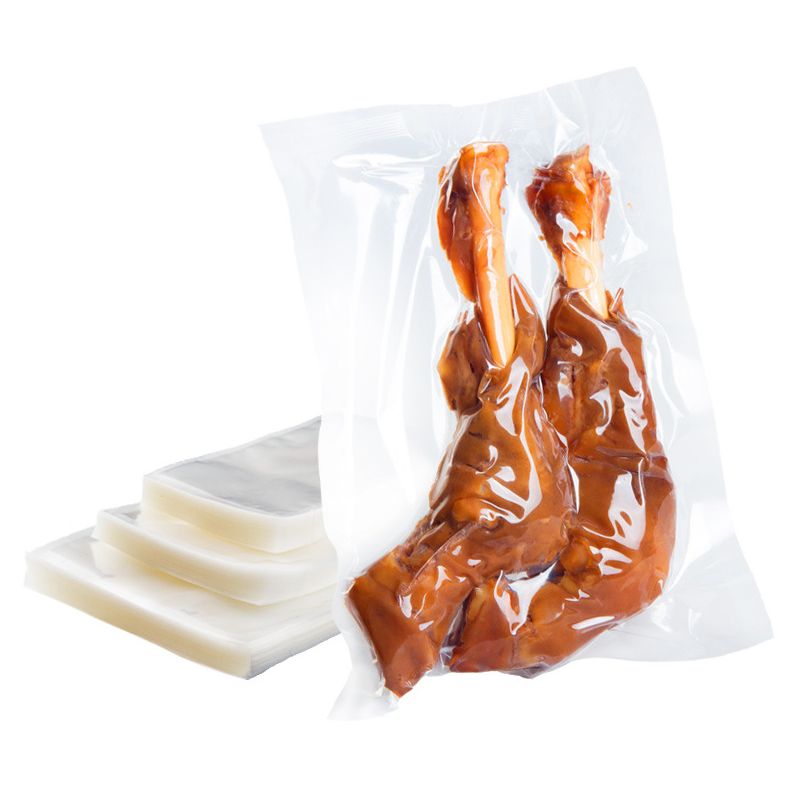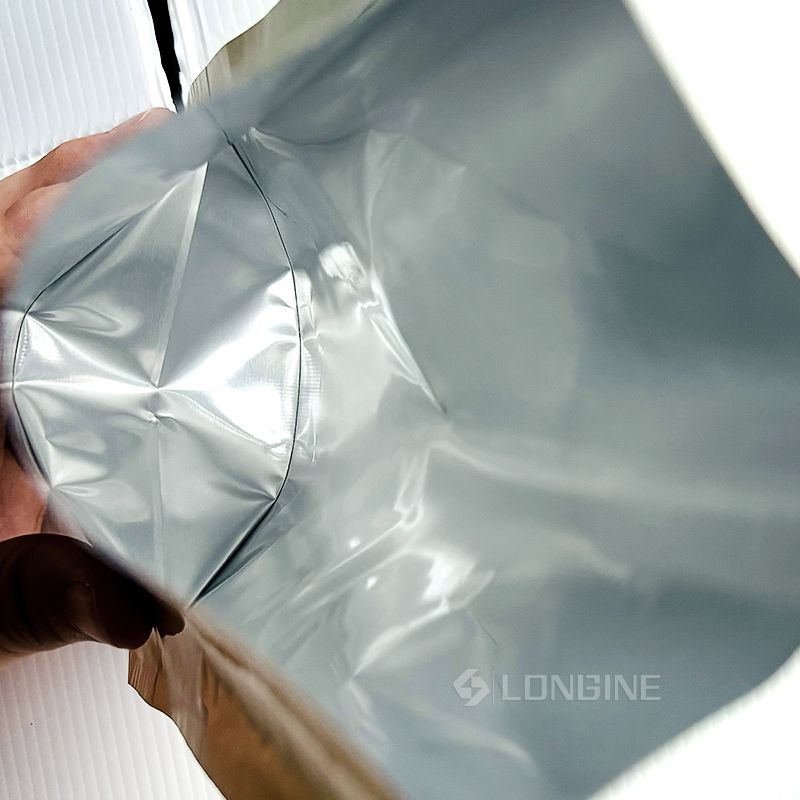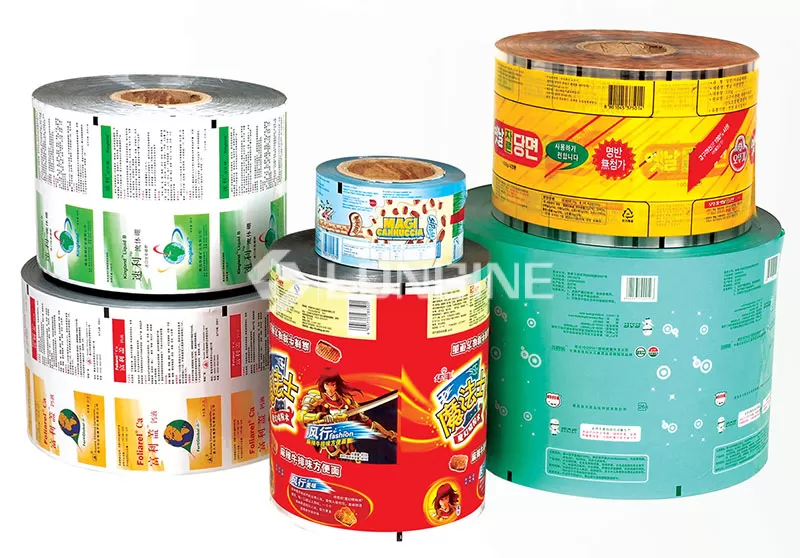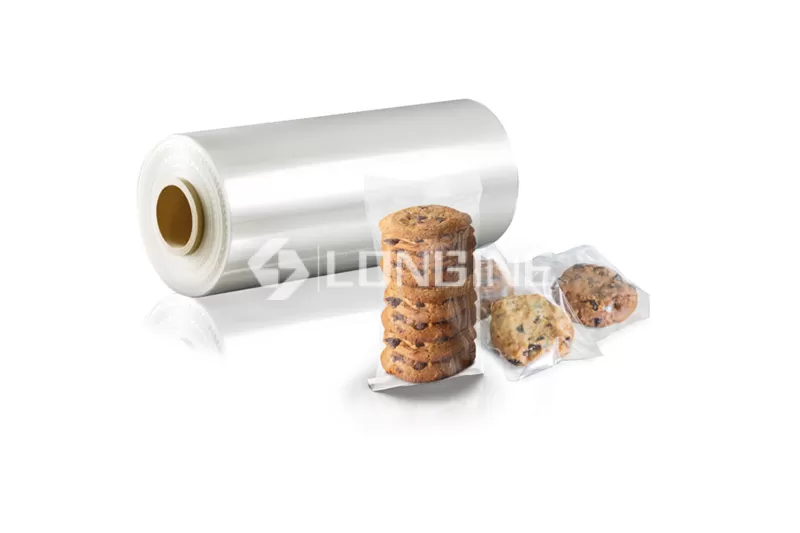
Retort pouches are flexible, heat-resistant packaging solutions designed for food products that require high-temperature sterilization. They are commonly used for ready-to-eat meals, soups, sauces, seafood, meat products, rice, and wet pet food. By combining a specialized multilayer material structure with a controlled thermal processing method, retort pouches help manufacturers produce shelf-stable foods without relying on refrigeration before opening.
Compared with traditional metal cans and glass jars, retort pouches offer a lightweight, space-efficient packaging format with flexible design and printing options. For food brands and manufacturers, understanding how retort pouch packaging works is essential when selecting materials, planning production, and maintaining product quality.
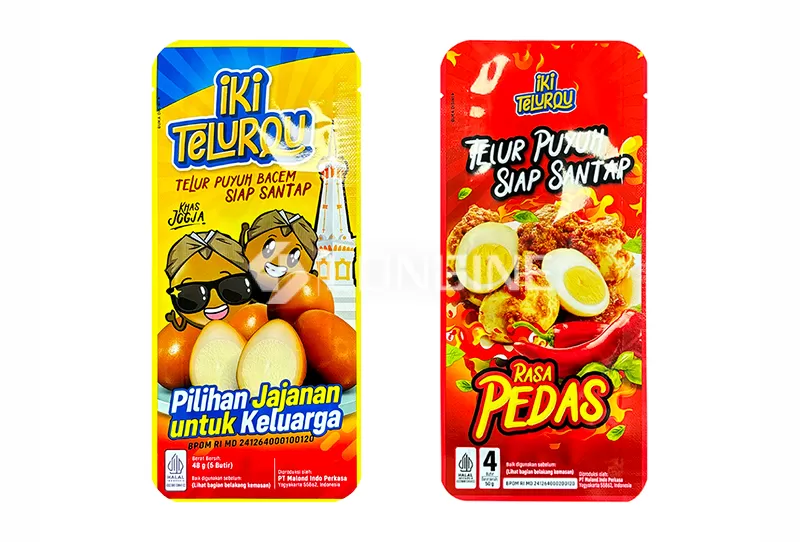
What Is a Retort Pouch?
A retort pouch is a flexible package made from multiple layers of heat-resistant films and, in many applications, aluminum foil. It is designed to withstand the high temperatures and pressure involved in commercial thermal sterilization.
Unlike ordinary food pouches, which may be designed only for filling and sealing, retort pouches must maintain their structural integrity, barrier performance, and seal strength throughout the sterilization and cooling process.
Retort pouch packaging is commonly used for:
Ready-to-eat meals and prepared dishes
Meat, poultry, and seafood
Soups, sauces, and curries
Cooked rice and grain-based foods
Wet pet food and other suitable animal food products
These applications benefit from packaging that combines product protection, convenient storage, and efficient transportation.
How Do Retort Pouches Work?
Retort pouches work by combining heat-resistant packaging materials, hermetic sealing, and a validated thermal sterilization process. The food is filled into the pouch, the package is sealed, and the sealed pouch is processed in specialized retort equipment.
1. Food Filling and Sealing
The food product is prepared according to its formulation and filling requirements, then placed into the retort pouch. The package is sealed using suitable heat-sealing equipment to create a secure closure.
The sealing process is critical because the pouch must remain intact during heating, pressurization, and cooling. Poor seals or contamination in the seal area can compromise package integrity.
2. High-Temperature Sterilization
The sealed pouches are placed in a retort system, where controlled heat and pressure are applied. Depending on the product and equipment, processing may use steam, hot water, or other validated heating methods.
The thermal process is designed to achieve the required level of microbial control for the specific food product. A temperature around 121°C is commonly associated with retort processing, but the actual temperature, holding time, and pressure must be established for each product and package configuration.
3. Controlled Cooling
After the required thermal process is completed, the pouches are cooled under controlled conditions. Pressure management is important during this stage because changes in internal and external pressure can affect the pouch and its seals.
The packaging materials must withstand the complete heating and cooling cycle without unacceptable deformation, delamination, leakage, or loss of barrier performance.
4. Shelf-Stable Storage
Once the validated process is complete and the finished packages meet the required quality standards, retort-packed foods may be stored at room temperature without refrigeration before opening, depending on the product and its validated shelf-life conditions.
The pouch's barrier layers help protect the food against oxygen, moisture, light, and other external factors. The sterilization process and package integrity work together to support food safety and shelf stability.
What Materials Are Used in Retort Pouches?
Retort pouches typically use a multilayer laminate, with each layer providing a specific function. The exact structure depends on the food product, processing conditions, barrier requirements, and target shelf life.
| Material layer | Main function |
|---|---|
| PET (polyester) | Provides printability, strength, and resistance to handling damage |
| Aluminum foil (AL) | Offers a strong barrier against light, oxygen, moisture, and aroma transmission |
| Nylon (PA) | Can improve toughness and resistance to punctures and abrasion |
| Retort-grade CPP or RCPP | Provides the heat-sealable inner layer and suitable food-contact performance |
A common foil-based structure is PET/AL/RCPP. Other designs may include nylon or alternative barrier materials to meet specific performance requirements.
For products that need visibility, transparent retort structures may be considered. These require specialized barrier materials that can tolerate the intended retort conditions. They do not necessarily provide the same light protection as aluminum foil.
It is important to note that ordinary laminated pouches are not automatically suitable for retort processing. Films, adhesives, inks, sealant layers, and pouch construction must all be compatible with the intended thermal process.
What Are the Benefits of Retort Pouch Packaging?
1. Extended Shelf Stability
Retort pouches can support shelf-stable food products when paired with a properly validated sterilization process and suitable packaging materials. This can help manufacturers distribute products through retail, food service, and other channels without continuous refrigeration before opening.
2. Lightweight and Space-Efficient Design
Flexible pouches generally weigh less and take up less space than comparable rigid containers. Empty pouches can also be stored and transported efficiently before filling, helping businesses manage warehouse space and packaging logistics.
3. Efficient Heat Transfer
Because retort pouches can be made relatively thin and flat, heat may penetrate the food more efficiently than in some rigid containers. This can provide opportunities to optimize processing time and product quality, although the actual result depends on food composition, pouch dimensions, filling weight, and process design.
4. Flexible Branding and Customization
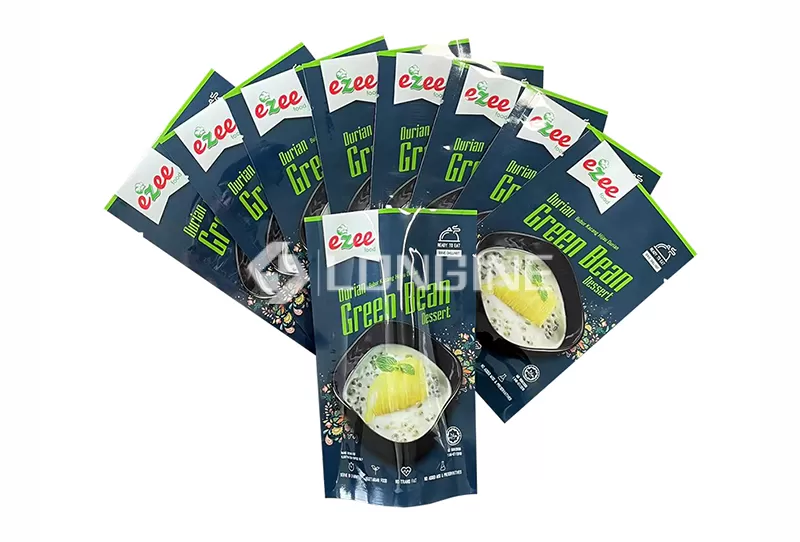
Retort pouches can be customized with printed graphics, different dimensions, and suitable pouch formats. These options help food brands create distinctive packaging while meeting functional requirements.
5. Versatile Food Applications
From prepared meals to sauces and wet pet food, retort pouches can accommodate a broad range of products. Material selection and package design must be tailored to the product's physical properties and processing conditions.
Retort Pouches vs. Traditional Cans
Retort pouches and metal cans can both be used for thermally processed, shelf-stable foods. The best choice depends on the product, production equipment, distribution model, and brand priorities.
| Comparison | Retort pouches | Metal cans |
|---|---|---|
| Package weight | Generally lightweight | Generally heavier |
| Storage before filling | Space-efficient when supplied flat | Rigid containers take up more space |
| Shape and design | Flexible formats and printed surfaces | More standardized rigid formats |
| Heat transfer | Thin profiles can support efficient heat penetration | Depends on can dimensions and product |
| Package protection | Depends on laminate structure and seal integrity | Depends on can body, ends, and closure integrity |
| Production requirements | Requires retort-compatible pouch materials and process controls | Requires can-compatible filling, sealing, and retort controls |
Neither format is universally better. Manufacturers should evaluate the product's processing requirements, packaging costs, line compatibility, shelf-life goals, and consumer expectations before choosing a solution.
How to Choose the Right Retort Pouches
Selecting suitable retort pouch packaging involves more than choosing a size or printing design. Food manufacturers should confirm several technical details before placing an order.
Product type and formulation: Consider whether the food is solid, liquid, oily, acidic, or contains sharp pieces that may affect the packaging.
Retort conditions: Confirm the intended processing method, temperature, time, pressure, and cooling requirements with the food processor and process specialist.
Material structure: Select a laminate that can withstand the complete thermal cycle while meeting the required barrier and mechanical performance.
Pouch size and filling weight: Package dimensions, product thickness, and fill volume can influence heat penetration and process validation.
Seal integrity: The sealing layer and pouch construction must maintain reliable closure performance under retort conditions.
Shelf-life requirements: Define the target shelf life and storage environment so the material structure and finished package can be evaluated appropriately.
Printing and customization: Confirm that inks, adhesives, and printing methods are suitable for the intended retort application.
Before full-scale production, conduct appropriate packaging and process validation. Useful checks may include seal-strength testing, leak or package-integrity testing, visual inspection, and evaluation after retort processing.
Frequently Asked Questions About Retort Pouches
Are retort pouches safe for food packaging?
Retort pouches can be suitable for food packaging when the materials meet applicable food-contact requirements, the package is correctly manufactured, and the filled product undergoes a validated thermal process. Packaging selection alone does not guarantee food safety.
Can retort pouches be stored at room temperature?
Yes, properly processed retort-packed foods can often be stored at room temperature before opening. The actual storage conditions and shelf life depend on the food product, validated process, packaging performance, and storage environment.
Can ordinary plastic pouches be used for retort processing?
No. Standard flexible pouches may not withstand the high temperature, pressure, and moisture exposure associated with retort processing. A retort-compatible material structure and suitable pouch construction are required.
Are all retort pouches made with aluminum foil?
No. Aluminum foil is common because it provides strong barrier protection, but specialized foil-free structures are also available. The appropriate option depends on the product's barrier needs, processing conditions, and appearance requirements.
Can retort pouches be customized?
Yes. Retort pouches can be customized by size, material structure, printing, and suitable package format. All customized designs must remain compatible with the intended filling, sealing, sterilization, and distribution conditions.
How do I find a reliable retort pouch manufacturer?
Look for a manufacturer that understands multilayer flexible packaging, retort-compatible materials, seal integrity, and your product's processing requirements. Ask for material specifications, technical support, quality-control information, and samples for evaluation before approving large-volume production.
Choose the Right Retort Pouch Packaging for Your Product
Retort pouches combine specialized multilayer materials, reliable sealing, and controlled thermal processing to support convenient, shelf-stable food packaging. Their lightweight construction, efficient storage, and customization options make them an attractive alternative to traditional rigid containers for many applications.
For food brands and manufacturers, the key is to select packaging that matches the product, retort process, barrier requirements, and shelf-life target.
Longine Packing provides flexible packaging solutions for businesses seeking customized pouch formats and material structures. When evaluating retort pouch packaging for your product, share your application, filling weight, processing conditions, and packaging requirements to identify a suitable solution for further testing and validation.