1. Introduction: Why OEM Aluminum Ziplock Bags Matter in Modern Packaging
In today’s highly competitive packaging market, businesses can no longer rely on generic, one-size-fits-all solutions. As product categories become more specialized and brand differentiation becomes more critical, the demand for OEM aluminum ziplock bag solutions has grown rapidly across food, retail, and industrial sectors.
Standard stock bags often fail to meet real-world requirements. They may not fit the product precisely, lack sufficient barrier protection, or do little to communicate brand value on the shelf. These shortcomings can lead to wasted material, compromised product quality, and missed sales opportunities.
An aluminum ziplock bag produced through OEM customization addresses these challenges directly. By tailoring the bag’s size, structure, and printing to the exact needs of the product, brands gain better protection, stronger visual identity, and greater long-term cost efficiency.
2. What Is an Aluminum Ziplock Bag?
2.1 Basic Structure and Materials
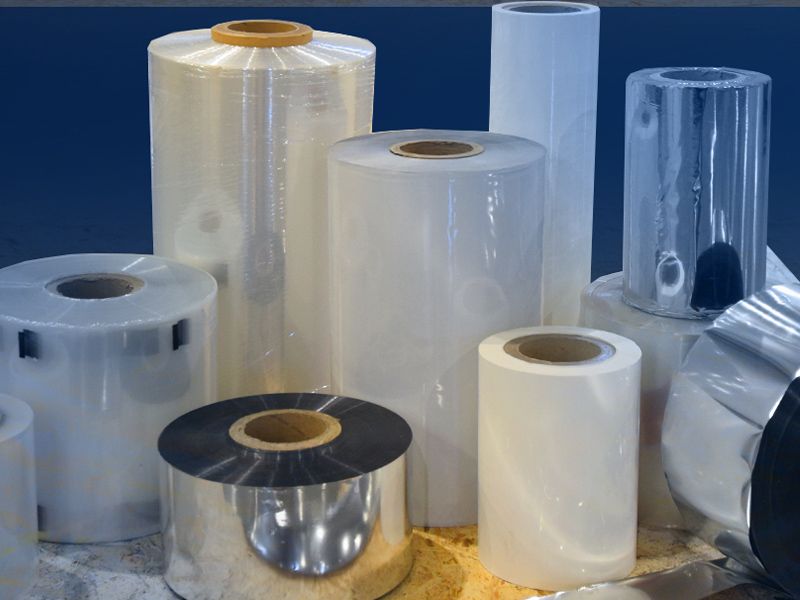
An aluminum ziplock bag is a flexible packaging pouch constructed from multiple laminated layers, with aluminum foil serving as the core barrier material. Unlike single-layer plastic bags, this composite structure is engineered to protect sensitive contents from external environmental factors.
A typical aluminum ziplock bag structure includes:
- Outer layer (often PET): Provides strength, printability, and resistance to abrasion
- Middle layer (aluminum foil): Acts as a high-performance barrier against oxygen, moisture, light, and odors
- Inner layer (PE or CPP): Ensures heat sealing integrity and food-contact safety
This layered design allows aluminum ziplock bags to outperform conventional plastic packaging in both protection and durability, making them suitable for products with strict shelf-life and quality requirements.
2.2 Key Functional Advantages
The primary reason buyers choose an aluminum ziplock bag lies in its functional superiority.
First, aluminum foil offers near-total barrier protection. It significantly slows oxidation, moisture ingress, and light exposure—three major causes of product degradation. For products such as coffee, dried foods, supplements, and powders, this protection is critical.
Second, the ziplock closure enhances usability. Resealability improves consumer convenience, reduces product waste, and supports repeated use without compromising freshness.
Finally, aluminum ziplock bags project a premium perception. The material’s rigidity and finish often signal higher quality to end users, which can positively influence purchasing decisions in competitive retail environments.
3. Why Choose OEM Aluminum Ziplock Bags Instead of Standard Stock Bags?
3.1 Limitations of Off-the-Shelf Packaging
Stock aluminum ziplock bags are designed for broad applicability, not specific products. While they may appear cost-effective initially, they often introduce hidden inefficiencies.
Common issues include:
- Poor fit resulting in excessive headspace or product compression
- Limited size options that fail to match filling volumes
- Generic appearance that does not support brand positioning
- Inconsistent material performance across suppliers
Over time, these limitations can increase logistics costs, damage brand perception, and restrict scalability.
3.2 Benefits of OEM Customization
OEM aluminum ziplock bag solutions are built around the product, not the other way around.
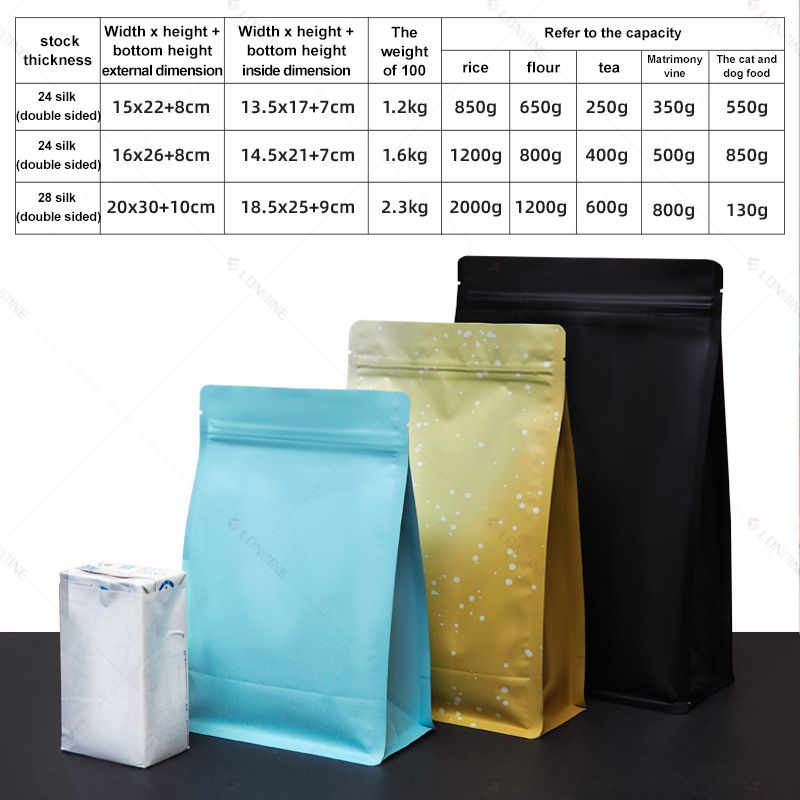
Custom sizing ensures the bag volume, gusset depth, and ziplock placement align precisely with the product’s physical characteristics. This reduces wasted material and improves packing efficiency.
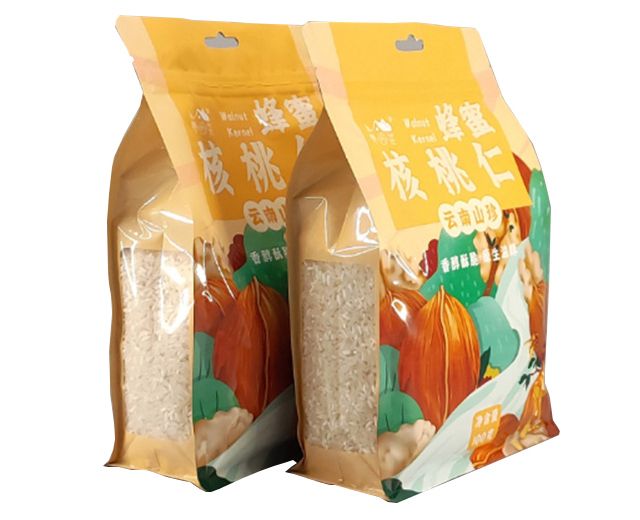
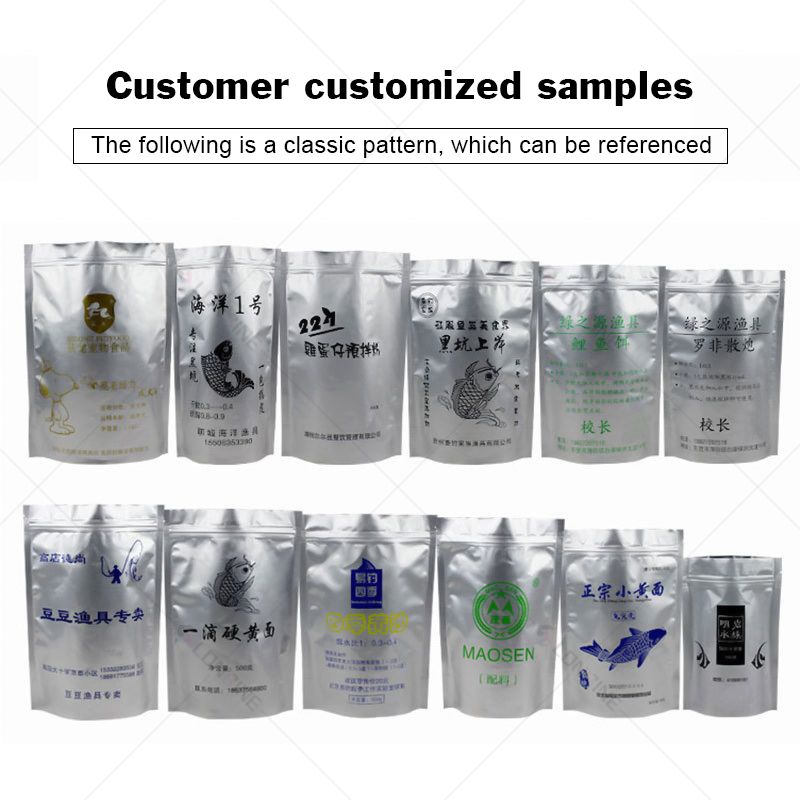
Custom printing transforms packaging into a branding asset. Instead of a plain pouch, the aluminum ziplock bag becomes a communication tool—delivering product information, reinforcing brand identity, and improving shelf visibility.
From a cost perspective, OEM solutions often deliver better long-term value. Although the initial setup may require more planning, optimized material usage and stronger market performance typically offset the upfront investment.
4. Custom Size Options: How to Design the Right Aluminum Ziplock Bag
4.1 How Bag Dimensions Affect Product Protection
Choosing the correct size for an aluminum ziplock bag is not simply a matter of volume. Width, height, and gusset depth all influence how well the product is protected and presented.
For example:
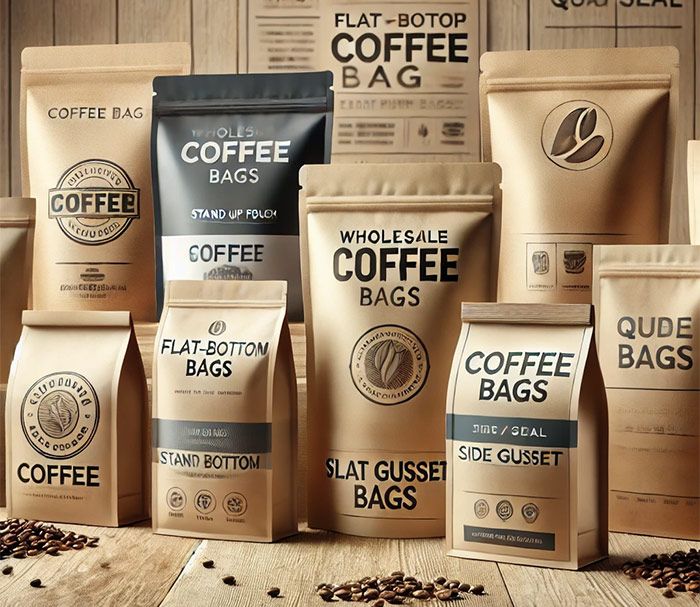
- Flat pouches are suitable for thin or lightweight products
- Stand-up pouches with bottom gussets improve stability and shelf display
- Side gussets allow greater volume without increasing front-facing width
Proper sizing also ensures the ziplock functions correctly and the seal area remains reliable during transportation and handling.
4.2 Common Size Mistakes Buyers Make
One frequent mistake is oversizing the bag “to be safe.” Excess headspace can accelerate oxidation and make products look underfilled, negatively affecting customer perception.
Another issue is undersizing, which can stress seals, deform products, or slow down automated filling processes. Ignoring ziplock placement or tear-notch position can also reduce usability.
These errors are especially costly when discovered after mass production has begun.
4.3 How OEM Manufacturers Help Optimize Size
Experienced OEM manufacturers approach size design systematically. They typically evaluate product dimensions, bulk density, filling method, and storage conditions before recommending specifications.
Sampling and mock-up testing allow buyers to validate size choices in real conditions. This collaborative process minimizes risk and ensures the aluminum ziplock bag performs as intended from day one.
5. Custom Printing for Aluminum Ziplock Bags: More Than Just a Logo
5.1 Printing Technologies Used in OEM Production
OEM aluminum ziplock bags are commonly printed using gravure printing, which delivers high color accuracy, sharp detail, and consistent results across large production runs. For smaller quantities or frequent design changes, digital printing may be an alternative, though with certain limitations.
The choice of printing method affects cost, lead time, and visual quality—making it a critical decision during OEM planning.
5.2 What Can Be Printed on an Aluminum Ziplock Bag
Custom printing goes far beyond adding a logo. OEM aluminum ziplock bags can incorporate:
- Brand identity elements and product names
- Ingredient lists, nutritional facts, and usage instructions
- Barcodes, QR codes, and regulatory symbols
Well-organized print layouts improve readability and compliance while reinforcing professionalism.
5.3 How Custom Printing Improves Brand Trust and Sales
Packaging is often the first physical interaction a customer has with a brand. A professionally printed aluminum ziplock bag signals reliability, quality, and attention to detail.
Clear information and attractive design reduce purchase hesitation, especially in food and supplement categories where trust is essential. Over time, consistent packaging strengthens brand recognition and customer loyalty.
6. Industry Applications of OEM Aluminum Ziplock Bags
6.1 Food Packaging Applications
Food is the most common application for aluminum ziplock bags. Products such as coffee beans, ground coffee, snacks, dried fruits, spices, and powders all benefit from the material’s barrier properties.
Food-grade aluminum ziplock bags are designed to meet safety standards, protect flavor and aroma, and support extended shelf life—making them a preferred choice for premium and export-oriented brands.
6.2 Non-Food and Industrial Applications
Beyond food, aluminum ziplock bags are widely used for:
- Nutritional supplements and pharmaceuticals
- Pet food and pet treats
- Industrial powders, chemicals, and specialty materials
In these sectors, durability, contamination prevention, and clear labeling are primary concerns—areas where OEM aluminum ziplock bags consistently perform well.
7. How to Choose the Right OEM Aluminum Ziplock Bag Manufacturer
Selecting the right OEM partner is one of the most critical decisions in an aluminum ziplock bag project. The manufacturer’s capabilities directly affect product quality, delivery reliability, and long-term scalability.
7.1 Key Evaluation Criteria
A qualified OEM aluminum ziplock bag manufacturer should demonstrate strong control over materials, processes, and quality assurance. Buyers should evaluate:
- Material certifications: Food-grade compliance, safety documentation, and traceability
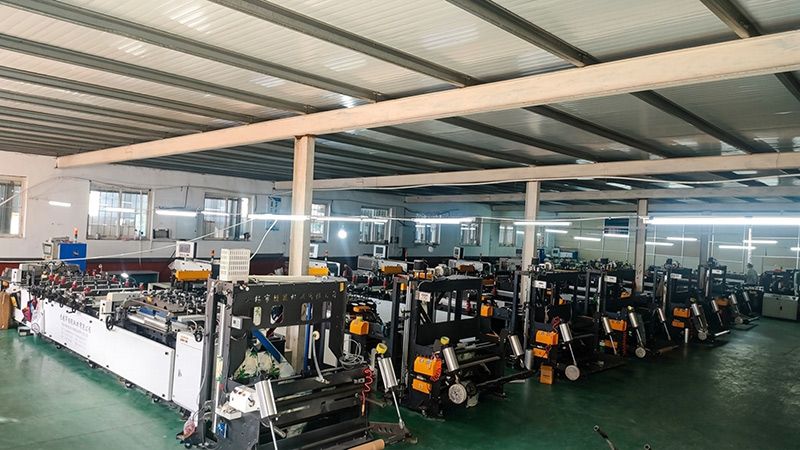
- Manufacturing capability: In-house lamination, printing, bag making, and inspection
- OEM experience: Proven track record with custom sizes, structures, and printing
Manufacturers with limited OEM experience may struggle to deliver consistent results when specifications become complex.
7.2 Minimum Order Quantity (MOQ) and Lead Time
MOQ is a practical concern for most buyers. OEM aluminum ziplock bags typically require higher MOQs than stock items due to setup and printing costs. However, MOQs vary significantly depending on bag size, structure, and printing complexity.
Lead time is equally important. A reliable manufacturer should clearly communicate production schedules, including:
- Artwork approval
- Sampling and testing
- Mass production and final inspection
Transparent timelines help buyers plan inventory and product launches with confidence.
7.3 Communication and Design Support
Effective communication distinguishes professional OEM suppliers from transactional vendors. Design support, pre-production proofs, and responsive technical feedback reduce misunderstandings and costly revisions.
An experienced OEM aluminum ziplock bag manufacturer acts as a consultant, not just a producer—helping buyers optimize specifications rather than simply following instructions.
8. Cost Factors in OEM Aluminum Ziplock Bag Production
Cost is often the deciding factor in packaging decisions, yet it is frequently misunderstood. Understanding what drives pricing allows buyers to make informed trade-offs.
8.1 What Determines Pricing?
The total cost of an OEM aluminum ziplock bag depends on several variables:
- Material structure and thickness: Heavier foil and multi-layer laminates increase cost
- Bag dimensions: Larger bags require more material
- Printing complexity: Number of colors, coverage, and printing method
- Order volume: Higher quantities typically reduce unit cost
Ignoring these variables can lead to unrealistic expectations and budget overruns.
8.2 How to Balance Cost and Performance
Cost optimization does not mean selecting the cheapest option. Over-specifying materials can inflate costs without delivering proportional benefits, while under-specifying can compromise product safety.
Working closely with an OEM supplier helps identify the optimal balance—ensuring the aluminum ziplock bag meets performance requirements without unnecessary expense. Over the product lifecycle, a well-designed OEM bag often proves more economical than repeated purchases of unsuitable stock packaging.
9. Common Buyer Questions and Misconceptions
Many first-time buyers hesitate due to misconceptions about aluminum ziplock bags.
Is an aluminum ziplock bag recyclable?
Most aluminum ziplock bags are multi-layer laminates, which can be challenging to recycle through standard systems. However, their extended shelf life and reduced food waste often offset this limitation.
Is aluminum safe for food contact?
Yes. Food-grade aluminum ziplock bags use approved materials and inner layers that prevent direct contact between aluminum foil and food.
How long does OEM production take?
Typical timelines range from a few weeks to over a month, depending on design complexity, sampling, and order volume. Clear communication minimizes delays.
Addressing these concerns early improves buyer confidence and decision speed.
10. Step-by-Step OEM Process: From Idea to Finished Aluminum Ziplock Bag
A structured OEM process reduces uncertainty and ensures consistent results.
- Requirement analysis: Product type, usage environment, and performance needs
- Size and structure confirmation: Bag dimensions, laminate layers, and ziplock type
- Artwork design and approval: Print layout, colors, and regulatory information
- Sampling and testing: Physical samples for filling, sealing, and handling tests
- Mass production and quality inspection: Controlled manufacturing and final checks
Understanding this workflow helps buyers anticipate milestones and avoid last-minute surprises.
11. Why OEM Aluminum Ziplock Bags Are a Smart Long-Term Investment
OEM aluminum ziplock bags are not merely packaging components; they are strategic assets.
Custom sizing improves operational efficiency, while professional printing strengthens brand consistency across markets. As product lines expand, OEM packaging provides scalability without repeated redesign.
In competitive environments, packaging often determines whether a product is noticed, trusted, and repurchased. A well-executed OEM aluminum ziplock bag supports all three outcomes.