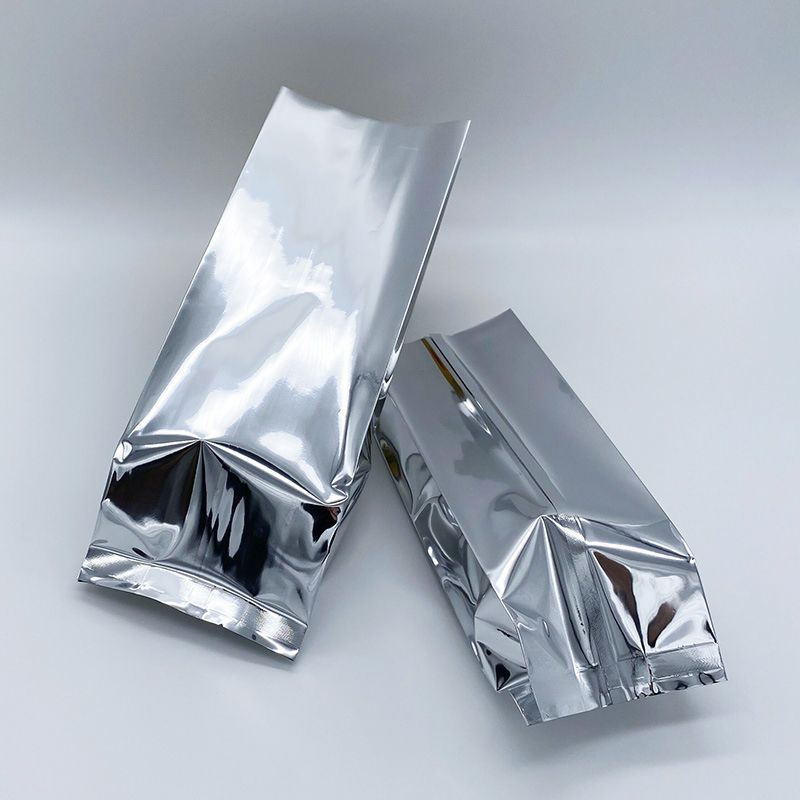
Mylar bags have become an essential packaging solution across a wide range of industries, from food storage and retail to medical and industrial applications. If you have ever wondered what are Mylar bags used for and why they are so widely trusted, the answer lies in their unique material properties, versatility, and long-term performance.
Unlike ordinary plastic bags, Mylar bags are specifically engineered to protect products from the most common causes of degradation: oxygen, moisture, light, and physical damage. This makes them a preferred choice for businesses that require extended shelf life, consistent product quality, and reliable storage under varying conditions.
In this comprehensive guide, you will learn:
- What Mylar bags are and how they are made
- The most common and practical uses of Mylar bags
- Why they outperform many traditional packaging materials
- How to choose the right Mylar bag for your specific needs
Whether you are a business owner sourcing packaging, a brand manager focused on presentation, or an individual looking for reliable storage, this article is designed to give you clear, actionable answers.
What Are Mylar Bags? Material, Structure, and Basics
To fully understand what Mylar bags are used for, it is important to start with the fundamentals: the material itself and how it functions.
What Is Mylar Made Of?
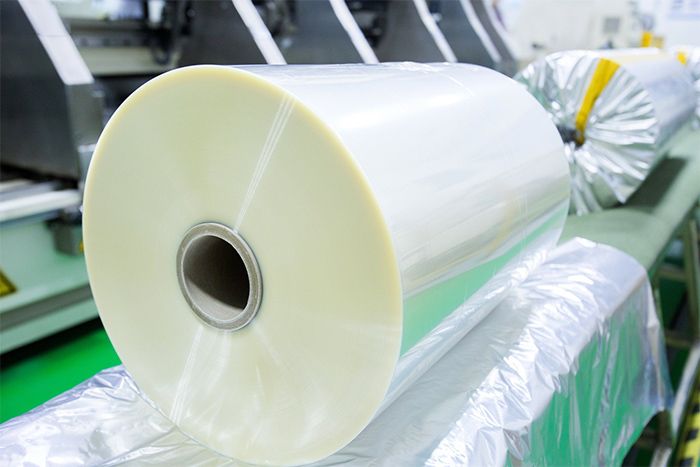
“Mylar” is a brand name that has become a widely used industry term. Technically, Mylar refers to a type of biaxially oriented polyethylene terephthalate (BOPET) film. This polyester film is known for its exceptional strength, stability, and barrier properties.
In packaging applications, Mylar is rarely used alone. Instead, it is laminated with other materials to create a multi-layer structure that combines:
- Mechanical strength
- High barrier protection
- Heat sealability
This layered construction is what gives Mylar bags their superior performance compared to standard plastic packaging.
How Mylar Bags Are Manufactured
Most Mylar bags are produced using lamination technology, where different films are bonded together to serve specific functions. A common structure may include:
- An outer PET layer for durability and print quality
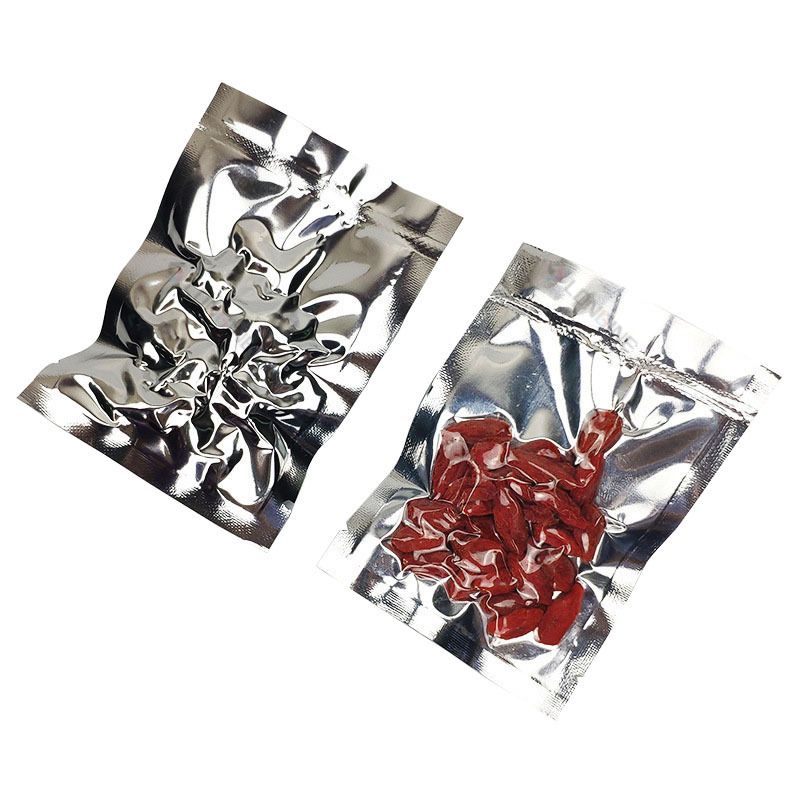
- A metallized or aluminum layer for light and oxygen protection
- An inner PE layer for safe food contact and sealing
By adjusting these layers, manufacturers can tailor Mylar bags for different applications, such as food packaging, medical use, or industrial storage.
Mylar Bags vs. Plastic Bags: Key Differences
Although Mylar bags are sometimes grouped together with plastic bags, their performance differs significantly.
Plastic bags typically offer limited protection against oxygen and moisture, making them suitable only for short-term storage. Mylar bags, on the other hand, provide:
- Significantly higher oxygen and moisture barriers
- Greater resistance to punctures and tearing
- Better protection against UV and light exposure
This distinction is one of the main reasons Mylar bags are chosen for products where quality preservation is critical.
What Are Mylar Bags Used For in Food Storage
One of the most common and important answers to the question what are Mylar bags used for is food storage. Their barrier performance makes them ideal for preserving freshness, flavor, and safety.
Dry Food Storage
Mylar bags are widely used to store dry foods such as rice, flour, grains, pasta, and beans. These products are particularly vulnerable to moisture and oxygen, which can lead to spoilage, mold growth, or insect infestation.
When properly sealed, Mylar bags help:
- Maintain dryness
- Prevent oxidation
- Extend shelf life significantly
For both households and commercial food suppliers, this makes Mylar bags a reliable long-term storage solution.
Snack and Retail Food Packaging
In retail environments, Mylar bags are commonly used for snacks, candies, nuts, and baked goods. Their ability to preserve texture and flavor is essential for consumer satisfaction.
From a business perspective, Mylar bags also offer:
- Attractive, high-quality printing
- Improved shelf appeal
- Better protection during transportation
This combination of function and presentation makes them a preferred choice for branded food products.
Coffee, Tea, and Powdered Products
Coffee, tea, and powdered supplements are highly sensitive to oxygen and moisture. Exposure can quickly degrade aroma, flavor, and effectiveness.
Mylar bags are often paired with features such as:
- Resealable zippers
- One-way degassing valves for coffee
These enhancements allow products to remain fresh longer while improving user convenience.
Frozen and Dehydrated Foods
Mylar bags are also suitable for frozen and dehydrated foods. Their structural stability under low temperatures and resistance to moisture migration help maintain product quality during storage and transportation.
What Are Mylar Bags Used For in Long-Term Storage and Emergency Preparedness
Beyond everyday food packaging, Mylar bags play a crucial role in long-term storage and emergency preparedness.
They are commonly used for:
- Long-term food reserves
- Disaster preparedness kits
- Bulk storage of essential supplies
When combined with oxygen absorbers and proper sealing techniques, Mylar bags can preserve food for many years. This makes them a trusted solution for organizations and individuals planning for extended storage scenarios.
Importantly, proper usage is key. Selecting the right thickness, sealing method, and storage environment ensures optimal performance and avoids common mistakes.
What Are Mylar Bags Used For in Retail and Consumer Products
Beyond food storage, Mylar bags are extensively used in retail and consumer-facing markets where product protection, branding, and compliance are equally important. In these scenarios, Mylar bags function not only as a protective container but also as a critical part of the product’s value proposition.
Custom Printed Mylar Bags for Branding
In competitive retail environments, packaging plays a decisive role in purchasing decisions. Mylar bags are particularly well-suited for custom printing due to their smooth surface and structural stability.
Brands use custom Mylar bags to:
- Achieve high-definition graphics and consistent color reproduction
- Reinforce brand identity and product positioning
- Stand out on crowded shelves
Unlike thin plastic packaging, Mylar bags maintain their shape and appearance throughout the product lifecycle, from manufacturing to retail display. This consistency directly contributes to perceived product quality and brand trust.
Cannabis, Supplements, and Health Products
Regulated industries such as cannabis, dietary supplements, and health-related products rely heavily on Mylar bags for compliance and safety reasons.
In these sectors, Mylar bags are used to provide:
- Child-resistant or tamper-evident features
- Odor and light protection
- Accurate labeling and regulatory information display
The ability to combine functional requirements with customization makes Mylar bags a practical solution in markets where packaging standards are strictly enforced.
E-commerce and Direct-to-Consumer Packaging
For e-commerce and direct-to-consumer brands, packaging must withstand transportation stress while ensuring a positive unboxing experience.
Mylar bags help address common challenges such as:
- Product damage during shipping
- Moisture exposure in transit
- Inconsistent appearance upon delivery
Their durability and seal integrity reduce the risk of returns and customer complaints, which can significantly impact operational costs and brand reputation.
What Are Mylar Bags Used For in Industrial and Medical Applications
While consumer-facing uses are highly visible, Mylar bags are equally important in industrial and medical settings where performance and reliability are non-negotiable.
Medical and Pharmaceutical Packaging
In medical environments, packaging must protect sensitive products from contamination, moisture, and degradation.
Mylar bags are used to package:
- Medical devices
- Diagnostic kits
- Sterile components and consumables
Their multi-layer barrier structure helps maintain product integrity while supporting sterilization and safe storage. This reliability is why Mylar-based packaging is often selected for critical medical applications.
Industrial Components and Materials
In industrial contexts, Mylar bags are used to store and transport components that are vulnerable to corrosion, oxidation, or environmental exposure.
Common applications include:
- Electronic components
- Precision metal parts
- Chemical-sensitive materials
By limiting exposure to air and moisture, Mylar bags help extend the usable life of industrial products and reduce waste caused by environmental damage.
Key Benefits of Using Mylar Bags
Understanding what Mylar bags are used for also requires an examination of why they are chosen over alternative packaging options. Their benefits extend beyond basic storage.
Superior Barrier Protection
Mylar bags offer excellent resistance to oxygen, moisture, and light. This barrier protection is the foundation of their effectiveness across food, retail, and industrial uses.
Extended Shelf Life
By reducing exposure to elements that cause spoilage or degradation, Mylar bags significantly extend product shelf life. This is especially valuable for businesses managing inventory, distribution, and long supply chains.
Durability and Puncture Resistance
Compared to conventional plastic bags, Mylar bags are thicker and more resistant to tearing and puncturing. This durability minimizes losses during handling and transportation.
Customization and Versatility
Mylar bags can be produced in various sizes, shapes, and configurations, including:
- Resealable zippers
- Stand-up pouches
- Spout or valve options
This versatility allows them to be adapted to a wide range of products and use cases.
Cost Efficiency Over Time
Although Mylar bags may have a higher upfront cost than basic plastic packaging, their long-term value often outweighs the initial investment. Reduced spoilage, fewer returns, and improved product presentation contribute to overall cost efficiency.
How to Choose the Right Mylar Bag for Your Needs
Selecting the appropriate Mylar bag is essential to achieving optimal performance. This decision should be based on product characteristics, storage conditions, and regulatory requirements.
Bag Thickness and Material Structure
Thickness, often measured in mils, directly affects durability and barrier performance. Thicker bags are generally better suited for long-term storage or heavy products, while thinner structures may suffice for short-term retail use.
Understanding the material structure—such as the presence of aluminum or metallized layers—helps ensure the bag meets specific protection requirements.
Size, Shape, and Closure Options
Choosing the correct size prevents unnecessary air space, which can compromise preservation. Closure options such as heat seals, zippers, or tear notches should align with how the product will be used and accessed.
Compliance and Food Safety Considerations
For food and medical products, it is essential to use Mylar bags made from food-grade materials and manufactured under appropriate quality standards. Ensuring compliance reduces risk and builds customer confidence.
Common Mistakes When Using Mylar Bags
Even high-quality Mylar bags can underperform if used incorrectly. Common mistakes include:
- Improper sealing, leading to air leakage
- Selecting inappropriate thickness for the application
- Ignoring the specific needs of the stored product
Avoiding these issues ensures Mylar bags deliver their intended benefits.
Are Mylar Bags Environmentally Friendly?
Environmental concerns are increasingly important in packaging decisions. While Mylar bags are not always recyclable through standard programs, their durability and extended product protection can reduce overall waste.
Many businesses balance sustainability goals by:
- Using Mylar bags only where high barrier protection is necessary
- Exploring recyclable or reduced-material alternatives when possible
- Focusing on long-term efficiency rather than single-use disposal
Frequently Asked Questions About Mylar Bags
Are Mylar bags safe for food?
Yes, when made from food-grade materials and properly sealed, Mylar bags are safe for food storage.
How long can food last in Mylar bags?
Shelf life depends on the product and storage conditions, but Mylar bags can significantly extend freshness compared to standard packaging.
Can Mylar bags be reused?
In many cases, Mylar bags can be reused if they are undamaged and properly cleaned.
Do Mylar bags require oxygen absorbers?
For long-term storage, oxygen absorbers are commonly used to enhance preservation, though they are not always necessary for short-term use.
Conclusion
Mylar bags are used across industries because they solve real packaging challenges. Their ability to protect products, extend shelf life, and support branding makes them a practical and reliable solution in modern packaging systems.
Whether you are storing food, launching a consumer product, or managing industrial materials, understanding what Mylar bags are used for allows you to make informed decisions that improve product quality and operational efficiency.