The global demand for shelf-stable, ready-to-eat food continues to grow as consumers seek convenience without compromising food safety or quality. In response, food manufacturers are increasingly re-evaluating traditional packaging formats such as metal cans and glass jars. One solution that has gained widespread adoption is retort pouch packaging.
Many buyers encounter retort pouches during product development or packaging upgrades but are unsure how they work or whether they are suitable for their products. Questions often arise around heat resistance, food safety, shelf life, and cost efficiency. Understanding the fundamentals of retort pouch packaging is therefore essential for making informed packaging decisions.
This article explains what retort pouch packaging is, how it works, and why it has become a preferred solution for many food and pet food brands worldwide.
1. What Is Retort Pouch Packaging?
A retort pouch is a flexible, laminated packaging format designed to withstand high-temperature thermal sterilization, known as retort processing. This process allows food products to achieve commercial sterility, enabling long shelf life without refrigeration.
The term “retort” refers to the pressurized heating process used to sterilize food after it has been sealed in its final packaging. During retort processing, pouches are exposed to temperatures typically around 121°C (250°F) under controlled pressure for a specified period, depending on the product formulation.
Unlike standard food pouches, retort pouches are engineered with specialized materials and structures that maintain seal integrity, barrier performance, and mechanical strength under extreme heat and pressure. As a result, they are suitable for products such as ready meals, sauces, soups, seafood, meat, and wet pet food.
2. How Retort Pouch Packaging Works
2.1 The Retort Sterilization Process Explained
The retort pouch packaging process begins with filling the pouch with the prepared food product. Once filled, the pouch is sealed to create an airtight environment. This sealed pouch is then placed inside a retort chamber.
Inside the retort, pouches are subjected to high-temperature steam or water spray under pressure. The combination of heat and pressure destroys harmful microorganisms while preventing the pouch from bursting or deforming. After the sterilization cycle is complete, the pouches are gradually cooled and inspected.
This process ensures food safety while preserving product quality, flavor, and texture more effectively than some traditional packaging formats.
2.2 Why Retort Pouches Can Withstand Extreme Conditions
Retort pouches are specifically designed to handle:
- High temperatures without melting or delaminating
- Internal pressure caused by expanding contents
- Mechanical stress during handling and transportation
These properties are achieved through multi-layer laminated structures and carefully controlled sealing processes, which are discussed in detail in the next section.
3. Structure of a Retort Pouch
3.1 Typical Layer Structure
A standard retort pouch consists of three or more laminated layers, each serving a specific purpose:
- Outer layer (PET or Nylon)
Provides mechanical strength, heat resistance, and printability. - Barrier layer (Aluminum foil or EVOH)
Protects the product from oxygen, moisture, and light, which are key factors affecting shelf life. - Inner sealing layer (CPP)
Acts as the food-contact layer and ensures strong, reliable seals under retort conditions.
3.2 Role of Each Layer
Each layer works together to ensure the pouch remains intact and functional throughout sterilization and storage. The outer layer protects against physical damage, the barrier layer preserves product freshness, and the inner layer ensures food safety and seal integrity.
This layered structure is what differentiates retort pouches from ordinary flexible packaging.
3. Key Benefits of Retort Pouch Packaging
Retort pouch packaging offers several practical advantages for food manufacturers:
- Extended shelf life without the need for preservatives or refrigeration
- Lightweight construction, reducing transportation and handling costs
- Faster heat penetration compared to cans, which helps maintain food quality
- Space efficiency, both during storage and distribution
These benefits make retort pouches particularly attractive for brands seeking to optimize logistics while maintaining high food safety standards.
4. Common Applications of Retort Pouch Packaging
4.1 Food Applications
Retort pouches are widely used for:
- Ready-to-eat meals
- Sauces and soups
- Seafood and meat products
- Baby food and specialty foods
Their ability to support long shelf life while maintaining taste and texture makes them ideal for these categories.
4.2 Pet Food Applications
In the pet food industry, retort pouches are commonly used for wet pet food and nutritional meals. The packaging ensures safety, convenience, and portion control while meeting strict regulatory requirements.
5. Retort Pouch vs Traditional Packaging
Compared to metal cans and glass jars, retort pouches offer several advantages. They require less material, reduce transportation weight, and allow for faster and more uniform heat transfer during sterilization. While traditional packaging remains suitable for certain applications, retort pouches provide a more flexible and cost-efficient solution for many modern food products.
6. How to Choose the Right Retort Pouch for Your Product
Selecting the appropriate retort pouch involves evaluating several factors:
- Product formulation and pH value
- Required sterilization conditions
- Desired shelf life
- Filling method and production capacity
Working closely with an experienced packaging supplier helps ensure the pouch structure matches both product and process requirements.
7. Customization Options for Retort Pouch Packaging
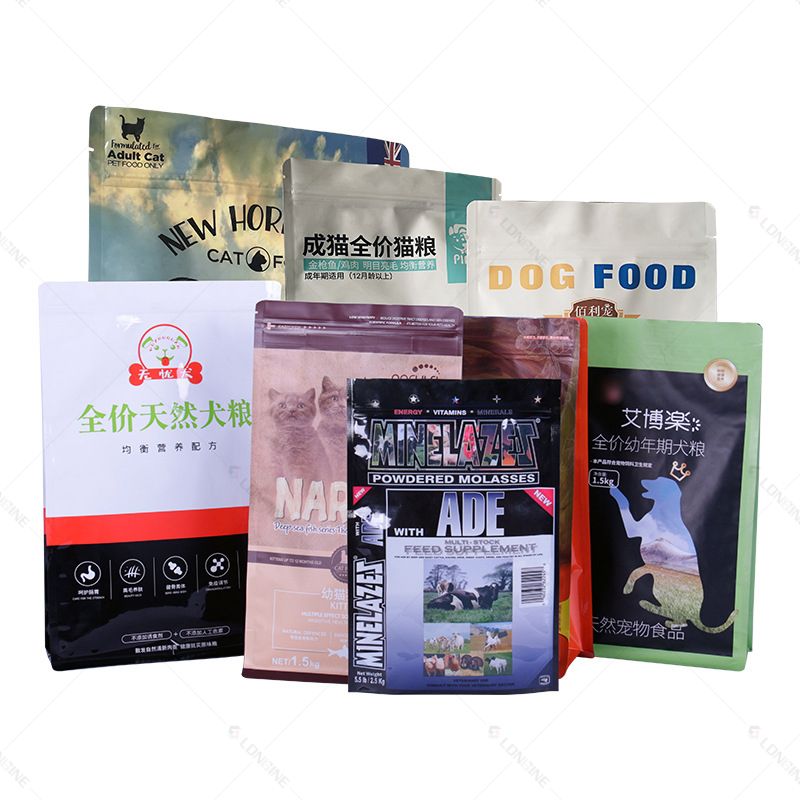
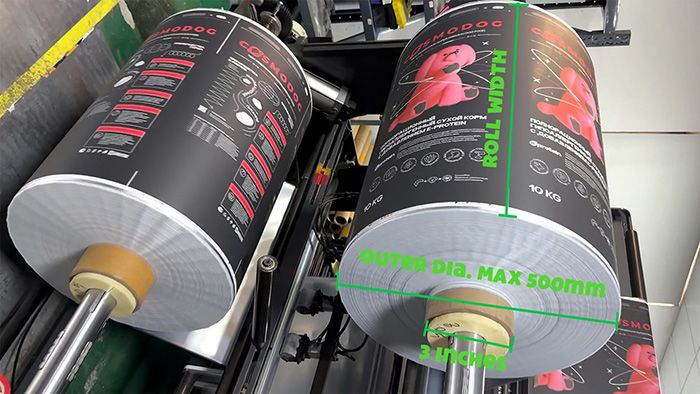
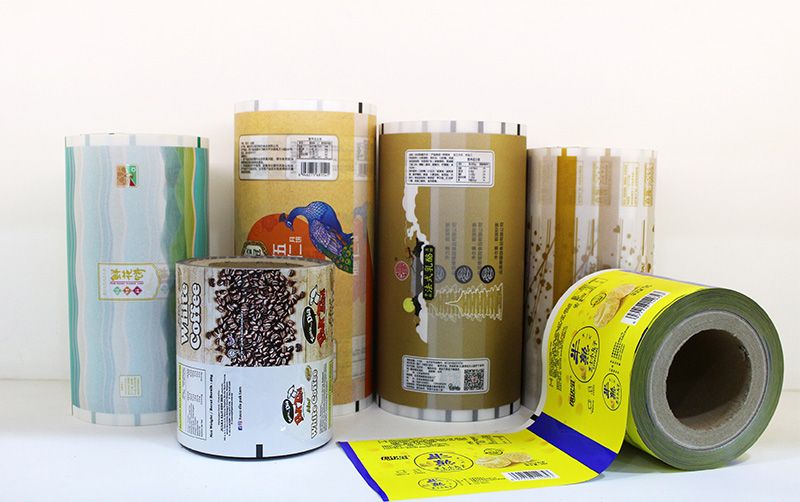
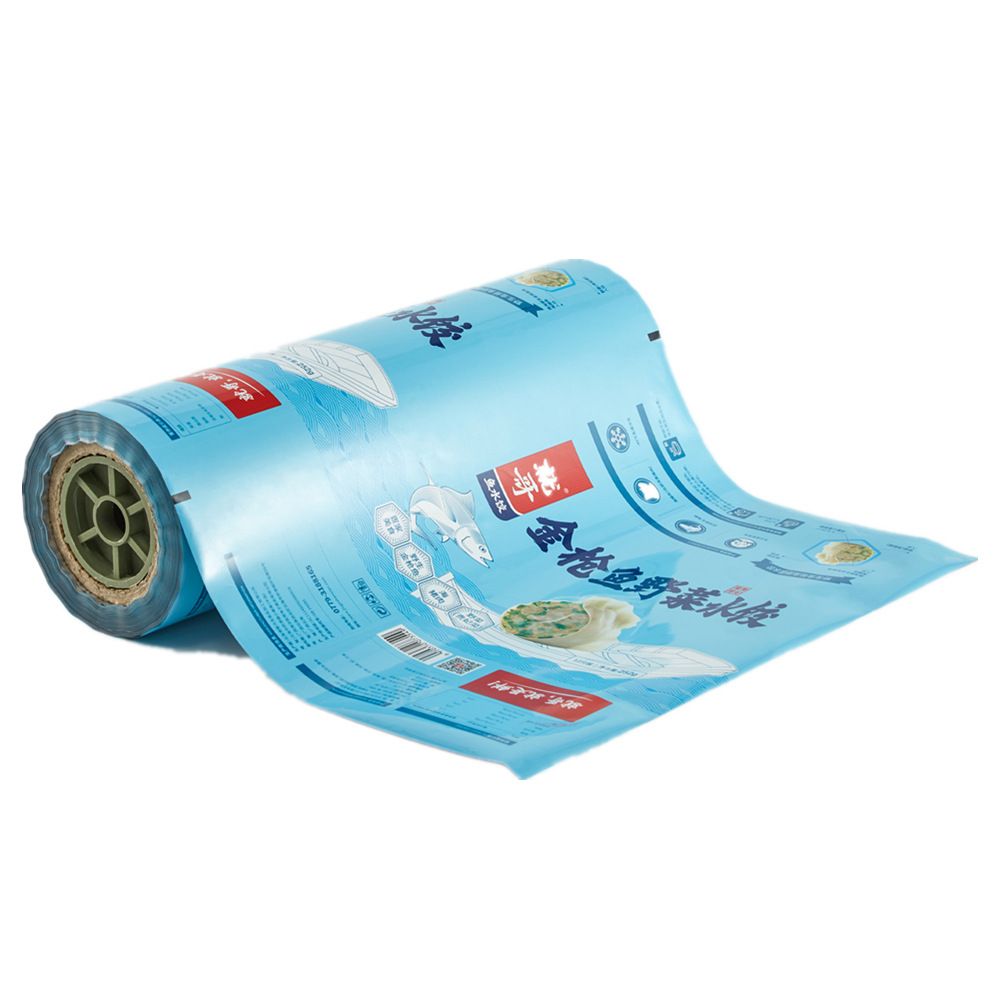
Retort pouches can be customized in terms of size, shape, and printing. Additional features such as tear notches or spouts can be incorporated to enhance consumer convenience. Custom printing allows brands to communicate product information and strengthen shelf presence without compromising performance.
8. Frequently Asked Questions About Retort Pouch Packaging
1. Can retort pouches completely replace metal cans?
Retort pouches can replace metal cans in many food and pet food applications, but they are not a universal replacement in every scenario. From a technical perspective, retort pouches achieve the same level of commercial sterility as cans when properly designed and processed.
However, the choice depends on several factors, including product formulation, filling process, distribution conditions, and consumer expectations. Retort pouches are often preferred for ready-to-eat meals, sauces, soups, and wet pet food due to their lightweight structure and faster heat transfer. Metal cans may still be suitable for extremely high-volume production lines or markets where rigid packaging is strongly preferred.
In practice, many brands use both formats for different product lines, selecting retort pouches where flexibility, logistics efficiency, and shelf presentation offer clear advantages.
2. What types of food products are suitable for retort pouch packaging?
Retort pouch packaging is suitable for a wide range of low-acid and high-moisture foods that require thermal sterilization. Common applications include ready meals, sauces, soups, curries, seafood, meat products, baby food, and wet pet food.
Products with complex textures or particulate content often perform well in retort pouches due to uniform heat penetration. However, very delicate products may require careful process optimization to maintain texture and appearance.
Before selecting retort packaging, manufacturers should evaluate product composition, pH level, viscosity, and thermal sensitivity to ensure compatibility with retort processing.
3. Can retort pouches be customized for different products and brands?
Yes. Retort pouches offer a high degree of customization while maintaining functional performance. Customization options include pouch size, shape, seal configuration, and printing design. Features such as tear notches, spouts, and rounded corners can be added to improve consumer convenience.
High-quality printing allows brands to present clear product information and strong visual identity on retail shelves. Customization should always be evaluated alongside technical requirements to ensure that design changes do not compromise retort performance.
4. How do retort pouches perform in terms of sustainability?
From a sustainability perspective, retort pouches offer advantages and challenges. Their lightweight structure reduces material usage and transportation emissions compared to cans and glass jars. This can significantly lower the overall carbon footprint of packaged products.
However, traditional retort pouches are multi-layer laminates, which makes recycling more complex. Ongoing industry developments are focused on mono-material and recyclable retort pouch solutions that maintain performance while improving end-of-life options.
Brands should evaluate sustainability goals alongside performance and regulatory requirements when selecting retort packaging.
5. What should buyers consider when choosing a retort pouch supplier?
When selecting a retort pouch supplier, buyers should evaluate technical expertise, material sourcing, quality control systems, and experience with retort applications. The supplier should be able to recommend suitable pouch structures and support process validation.
Clear communication, reliable lead times, and compliance with international food safety standards are also critical factors. A knowledgeable supplier acts as a technical partner rather than simply a packaging vendor.