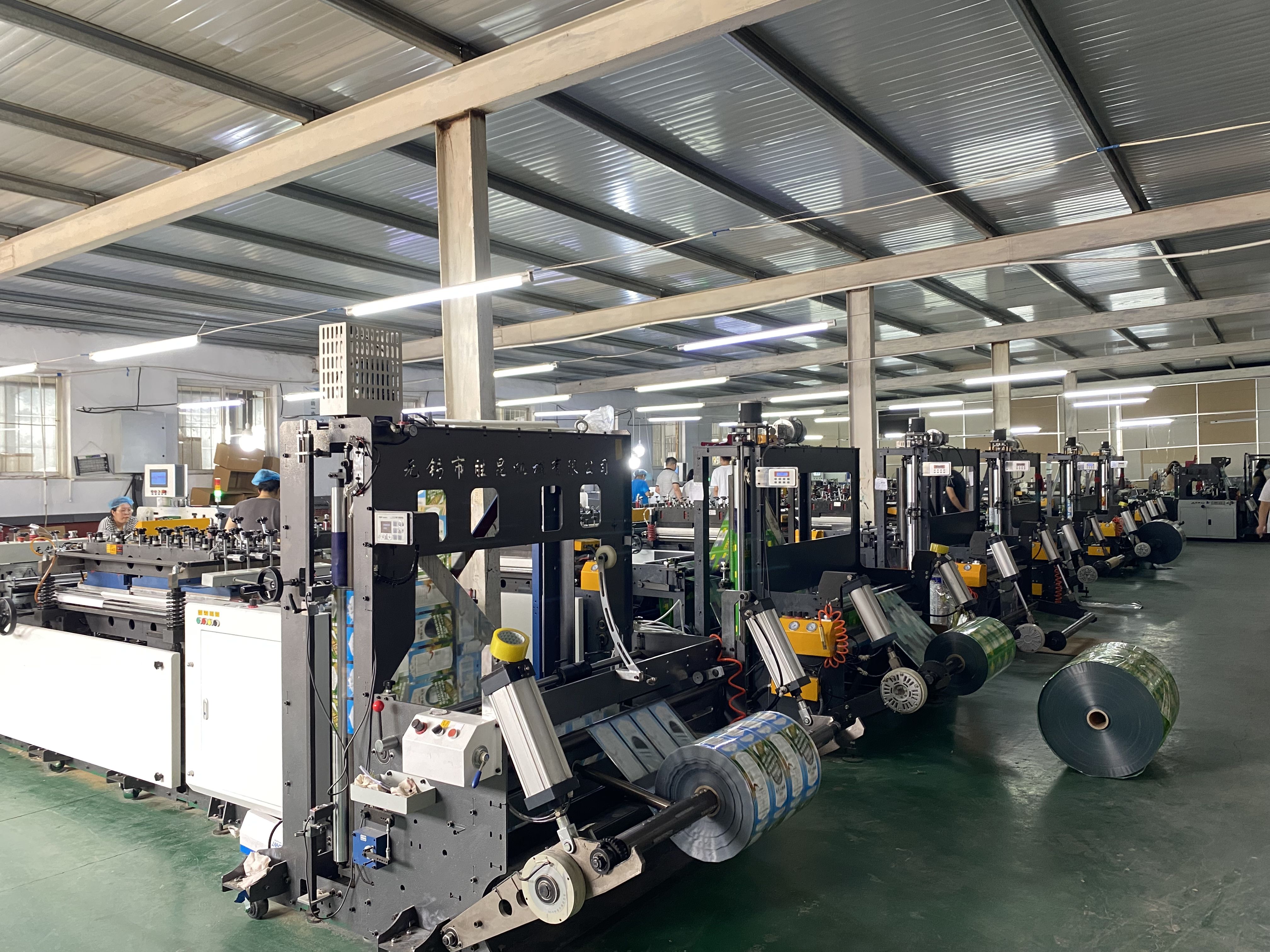
In today’s packaging industry, flexibility, efficiency, and product presentation are no longer optional—they are decisive factors in purchasing and brand success. As manufacturers and brand owners look for packaging solutions that balance cost, performance, and shelf appeal, gusset bags have become a widely adopted option across multiple industries.
Many buyers begin their research with a simple but important question: what is a gusset bag in packaging?
1. What Is a Gusset Bag in Packaging?
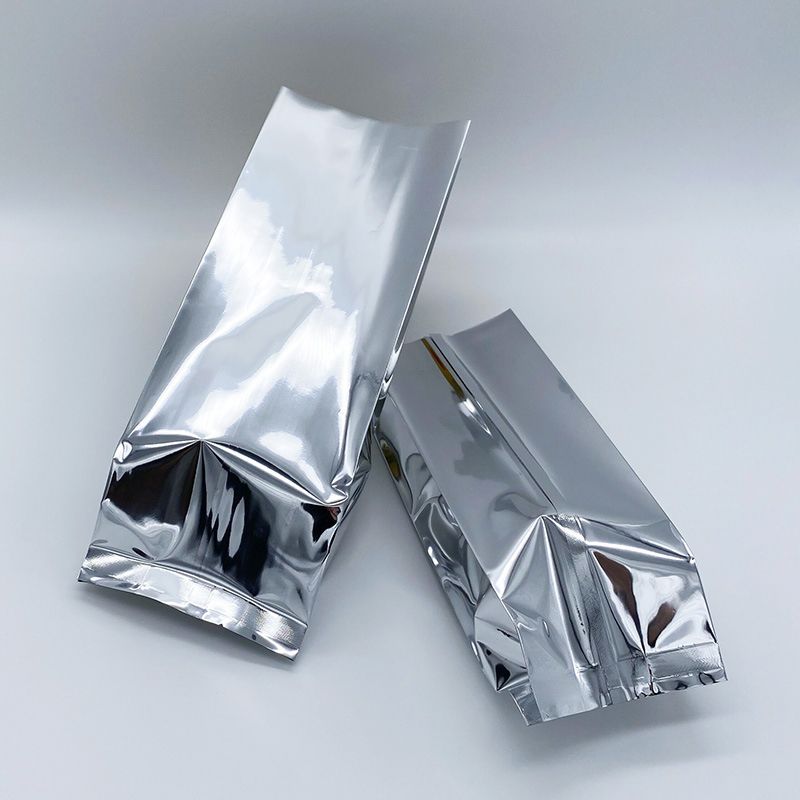
A gusset bag in packaging is a type of flexible bag that includes expandable folded sections—known as gussets—on the sides or bottom of the bag. These gussets allow the bag to expand when filled, increasing internal volume without significantly increasing the bag’s footprint when empty.
In packaging terminology, a “gusset” refers to a folded or pleated panel integrated into the bag structure. When the bag is flat, the gusset is folded inward. When product is added, the gusset opens outward, enabling the bag to accommodate more volume while maintaining structural integrity.
Unlike flat bags, which rely solely on front and back panels, gusset bags are designed to adapt to the shape and weight of the contents. This makes them particularly suitable for products that vary slightly in volume, require efficient storage, or benefit from improved shelf presentation.
From an industry perspective, gusset bags are valued because they combine material efficiency with functional performance. They can hold more product than flat bags made from the same amount of material, and they offer greater stability once filled. For these reasons, gusset bags are widely used in food, pet food, agricultural, and industrial packaging applications.
2. How Gusset Bags Are Structured
Understanding the structure of a gusset bag is essential for buyers who want to make informed packaging decisions. While gusset bags may appear simple at first glance, their design is carefully engineered to balance capacity, durability, and usability.
2.1 Basic Components of a Gusset Bag
A typical gusset bag consists of the following key components:
- Front and back panels
These are the main surfaces of the bag and the primary areas used for branding, product information, and regulatory labeling. - Gusseted panels
The gusseted sections are folded areas located either on the sides or at the bottom of the bag. Their purpose is to allow expansion and improve volume capacity. - Sealing areas
Gusset bags are sealed along specific edges—commonly at the bottom and sides, and sometimes at the top after filling. Seal strength is critical for product safety and transportation.
The exact configuration of these components depends on the type of gusset bag and its intended application. However, all gusset bags share the same fundamental principle: expandable panels that enhance functionality without excessive material use.
2.2 How Gussets Improve Capacity and Stability
One of the primary advantages of gusset bags is their ability to increase usable volume. By allowing the bag to expand outward, gussets enable more efficient filling compared to flat bags. This is particularly beneficial for granular, powdered, or irregularly shaped products.
In addition to increased capacity, gussets also contribute to improved stability. When properly designed, a filled gusset bag distributes weight more evenly, reducing stress on seals and minimizing the risk of deformation during transport. This stability is especially important in bulk packaging and palletized shipping environments.
From a logistical standpoint, gusset bags are also easier to store and transport before filling. They lie flat when empty, saving space and reducing shipping costs, while still offering high capacity once in use.
3. Main Types of Gusset Bags in Packaging
Not all gusset bags are the same. In practice, gusset bags are categorized based on the location and design of the gusset. Understanding these differences is critical for selecting the correct packaging solution.
3.1 Side Gusset Bags
Side gusset bags feature expandable panels on both sides of the bag. When empty, the bag appears flat. Once filled, the side gussets open outward, increasing internal volume while maintaining a rectangular profile.
Side gusset bags are commonly used in industries where efficient volume utilization and strong seals are priorities. Typical applications include coffee, tea, dry foods, and bulk retail packaging. Their shape makes them well suited for vertical filling processes and high-speed production lines.
One key advantage of side gusset bags is their ability to hold relatively large volumes without requiring a wide bottom panel. However, unless combined with additional structural features, side gusset bags generally do not stand upright on their own, which may limit their suitability for certain retail displays.
3.2 Bottom Gusset Bags
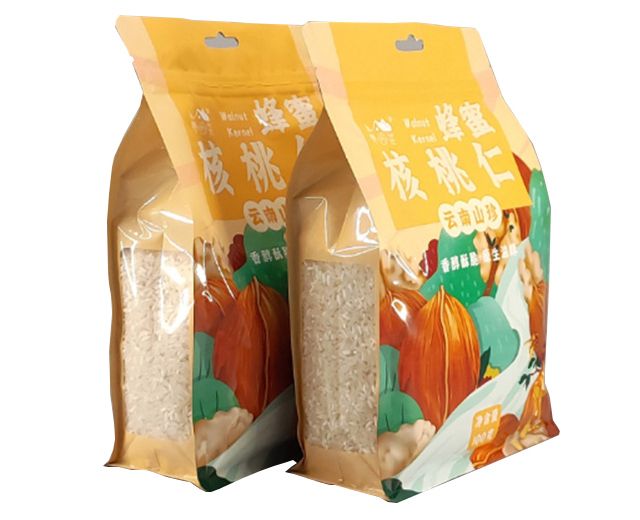
Bottom gusset bags incorporate a folded gusset at the base of the bag rather than on the sides. When the bag is filled, the bottom gusset opens to form a stable base, allowing the bag to stand upright.
This structure makes bottom gusset bags particularly attractive for retail environments where shelf presentation is important. Products such as snacks, pet food, and specialty goods often use bottom gusset bags to improve visibility and consumer appeal.
Bottom gusset bags provide good balance between capacity and presentation. However, they may require more precise filling and sealing processes, especially for heavier products.
3.3 Gusset Bags vs Other Common Bag Types
Buyers often compare gusset bags with other flexible packaging formats, such as flat bags or stand-up pouches. Compared to flat bags, gusset bags offer superior volume efficiency and structural strength. Compared to stand-up pouches, gusset bags may offer simpler construction and lower material costs, depending on the design.
Choosing between these options depends on factors such as product weight, display requirements, filling method, and budget. Understanding how gusset bags differ structurally from other formats is a crucial step in making the right decision.
4. Materials Commonly Used for Gusset Bags
Material selection is one of the most critical decisions when designing or sourcing gusset bags. The choice of material directly affects product protection, shelf life, cost efficiency, and environmental impact. Gusset bags can be produced using a wide range of materials, either as single-layer structures or multi-layer laminates.
4.1 Single-Layer vs Laminated Structures
Single-layer gusset bags are typically made from materials such as polyethylene (PE) or kraft paper. These structures are cost-effective and suitable for products with minimal barrier requirements. However, they offer limited protection against moisture, oxygen, or light.
Laminated gusset bags combine two or more materials, each serving a specific function. For example, one layer may provide mechanical strength, while another offers barrier protection. Laminated structures are commonly used for food and specialty products where preservation and durability are essential.
4.2 Common Materials Used in Gusset Bags
- Kraft paper
Often used for dry goods and eco-conscious packaging. It provides a natural appearance and good stiffness but limited barrier performance unless laminated. - PE (Polyethylene)
Flexible, moisture-resistant, and widely used for inner layers or mono-material solutions. - PET, BOPP, CPP
These films offer clarity, strength, and print quality. They are commonly used in laminated structures for retail packaging. - Aluminum foil
Provides excellent barrier properties against light, oxygen, and moisture. Suitable for products requiring extended shelf life.
4.3 How Material Choice Impacts Performance
Material selection influences several practical factors:
- Shelf life and product freshness
- Resistance to puncture and tearing
- Compatibility with filling and sealing equipment
- Overall packaging cost
A well-designed gusset bag balances performance requirements with budget constraints, ensuring protection without unnecessary material complexity.
5. Key Benefits of Using Gusset Bags in Packaging
Gusset bags are widely adopted not because of aesthetics alone, but because they address real operational and commercial challenges in packaging.
5.1 Improved Volume Efficiency
Gussets allow bags to hold more product while remaining compact when empty. This efficiency reduces material waste and optimizes storage before filling.
5.2 Enhanced Product Protection
By distributing internal pressure more evenly, gusset bags reduce stress on seals and packaging walls. This contributes to lower failure rates during transportation and handling.
5.3 Better Shelf Presence
When designed correctly, gusset bags create a fuller, more structured appearance. Bottom gusset designs, in particular, enhance visibility and stability in retail environments.
5.4 Logistics and Cost Advantages
Flat storage prior to filling reduces shipping and warehousing costs. In addition, gusset bags often use less material than rigid packaging alternatives, contributing to overall cost savings.
6. Common Applications of Gusset Bags Across Industries
The versatility of gusset bags allows them to serve a wide range of industries, each with distinct packaging requirements.
6.1 Food Packaging
Gusset bags are commonly used for:
- Coffee and tea
- Snacks and confectionery
- Grains, rice, and flour
- Pet food and animal feed
Their ability to support barrier materials and optional features such as valves makes them suitable for both retail and bulk food applications.
6.2 Non-Food Packaging
Beyond food, gusset bags are used for:
- Cosmetics and personal care products
- Chemical powders and granules
- Agricultural products such as seeds and fertilizers
In these applications, durability and controlled volume expansion are key advantages.
6.3 Retail and Wholesale Use Cases
Gusset bags are adaptable to both consumer-facing retail packaging and large-scale wholesale distribution. This flexibility makes them attractive for brands managing multiple sales channels.
7. How to Choose the Right Gusset Bag for Your Product
Selecting the correct gusset bag involves more than choosing a size or material. It requires a clear understanding of product characteristics and operational requirements.
7.1 Key Decision Factors
- Product type and weight
Heavier products may require reinforced seals and thicker materials. - Barrier requirements
Moisture, oxygen, and light sensitivity should guide material selection. - Shelf display needs
Products intended for retail shelves may benefit from bottom gusset designs. - Filling method
Automated filling systems may impose specific structural and sealing requirements.
7.2 Common Buyer Mistakes
- Choosing packaging based solely on appearance
- Underestimating barrier requirements
- Ignoring compatibility with filling equipment
Avoiding these mistakes can prevent costly redesigns and product failures.
8. Customization Options for Gusset Bags
Customization allows gusset bags to align with brand identity and functional needs.
8.1 Structural and Size Customization
Bag dimensions and gusset depth can be adjusted to match product volume and weight, ensuring optimal performance.
8.2 Printing and Branding
High-quality printing on gusset bags enhances brand recognition and communicates product value. Both flexographic and gravure printing methods are commonly used.
8.3 Functional Add-Ons
Optional features include:
- Resealable zippers
- Degassing valves
- Tear notches
These additions improve user experience and product usability.